Mayor Brandon Johnson Launches New Push to Make Gun Violence Prevention a City Department
In some Chicago neighborhoods, summer does not arrive quietly. It comes with block parties, children on bikes, open fire hydrants, family cookouts, and the familiar sound of music spilling from porches. But for too many families, it also comes with a second feeling: the fear that one argument, one gun, or one violent night can change everything before morning.
That fear is now at the center of a major move inside City Hall. Mayor Brandon Johnson signed an executive order Thursday creating a new Office of Gun Violence Reduction inside the mayor’s office, a step his administration says is meant to organize and strengthen Chicago’s efforts to prevent shootings before they happen.
The order also begins the process of creating a permanent city department focused only on reducing gun violence. For residents in the most affected communities, this is not just another government announcement. It is a test of whether Chicago can turn years of grief, advocacy, and political debate into a coordinated plan that reaches families before tragedy does.
What Happened
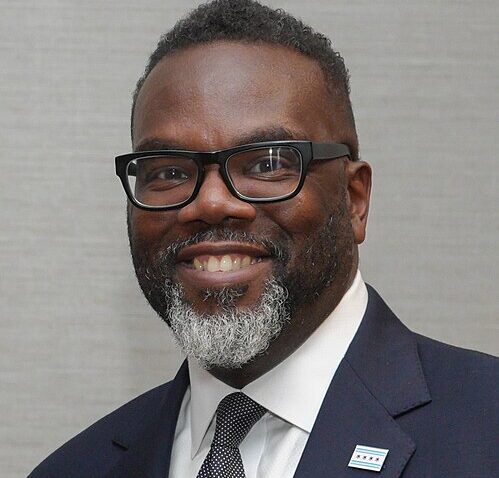
Johnson’s executive order establishes the Office of Gun Violence Reduction as a formal unit within the mayor’s office. The office will be led by Emmanuel Andre, the city’s deputy mayor for community safety.
According to the executive order, the new office will collect data on gun violence, track violence reduction efforts, issue monthly progress reports, and help identify communities that have been hit hardest by shootings. Those neighborhoods would be designated as “Community Safety Priority Zones.”
The idea is to focus city resources on the places where the need is greatest.
Those zones could receive more coordinated support, including community-based intervention, youth programming, mental health resources, trauma response, and other neighborhood-specific investments. The city says the goal is not simply to respond after violence happens, but to build a system that works earlier and more consistently.
The order also creates a 17-member Gun Violence Reduction Advisory Council. That council will include mental health professionals, religious leaders, community leaders, violence prevention groups, philanthropic organizations, and people from neighborhoods disproportionately affected by gun violence. Nine of the 17 members must come from those impacted neighborhoods.
That requirement is important because many community advocates have long argued that Chicago cannot solve violence without listening to the people who live closest to it.
Why Locals Care
For Chicago residents, the debate is deeply personal.
Gun violence affects more than crime statistics. It shapes how families move, how children play, how schools operate, how businesses stay open, and how neighborhoods are seen by the rest of the city.
A shooting does not end when the police tape comes down. It leaves behind parents who cannot sleep, children who struggle in class, young people who carry trauma into adulthood, and neighbors who become used to emergency sirens.
That is why supporters of the new office say Chicago needs a permanent structure focused on prevention.
Community violence intervention groups already work across the city to mediate conflicts, support victims’ families, and reach people at risk of becoming involved in violence. But those efforts are often spread across different programs, agencies, and funding streams.
Johnson’s order attempts to bring more order to that system.
The mayor said Chicago has not always met the crisis with the urgency and investment residents deserve. His message was clear: the city must stop treating gun violence as a problem that belongs only to police and start treating it as a public safety, public health, and neighborhood investment issue.
For families who have attended funerals, vigils, and community meetings for years, the question is whether this new office will bring real change or simply another layer of City Hall bureaucracy.
The Cost Question
That concern is already becoming part of the political fight. Chicago is facing serious financial pressure, including a massive pension burden and a budget shortfall. Creating a permanent department could require new staff, new funding, and long-term commitments at a time when city leaders are already arguing over taxes, police spending, and basic services.
Public Safety Committee Chair Brian Hopkins has questioned whether the city can afford another department. He said he worries the mayor may try to fund the effort by reducing the police budget, which he called the wrong approach. That criticism reflects a larger debate happening in many American cities.
Some leaders believe the most urgent answer to gun violence is more policing. Others argue that cities must invest more heavily in prevention, trauma care, youth jobs, housing stability, and community programs. In Chicago, those arguments are not theoretical. They show up every budget season and every time violence spikes after a holiday weekend.
Johnson has said Chicago already spends more than $150 million on efforts tied to gun violence reduction, but he also acknowledged that the current investment is not enough.
That raises the central question: if Chicago is already spending heavily, will a new office make the work more effective, or will it simply add another name to the government chart?
Background And Context
The timing of Johnson’s executive order matters. For years, community groups have pushed Chicago mayors to create a stand-alone department focused on gun violence reduction. Former mayors Rahm Emanuel and Lori Lightfoot resisted the idea, and Johnson also held back early in his administration.
That changed after a violent Juneteenth weekend that left eight people dead and 40 others wounded, according to the Chicago Sun-Times report. Johnson said the weekend should have been a celebration, but was instead disrupted by heartbreaking violence.
The violence landed at a difficult moment for the mayor. Johnson has been pointing to major reductions in crime and violence as a sign that his administration’s public safety strategy is working. Chicago saw historically low homicide numbers in 2025, part of a broader decline also seen in several major U.S. cities after pandemic-era spikes.
But public confidence can shift quickly. When a violent weekend cuts through a citywide message of progress, residents often want more than numbers. They want a plan that explains what will happen next, who is accountable, and how City Hall will respond before the next crisis. That is what Johnson is trying to answer with this order.
What Happens Next
The executive order now creates the office, but a permanent Department of Gun Violence Reduction would still need approval from the Chicago City Council.
A proposal is expected to go before alderpersons before the summer recess. If approved, the department would become a lasting part of the city government, rather than an office that could be changed or removed by a future mayor. That next step will likely bring hard questions.
Council members may ask how much the department will cost, where the money will come from, how success will be measured, and whether the new office will overlap with existing programs. Residents and community groups will also be watching to see whether the monthly progress reports provide clear answers or vague promises.
For Johnson, this is both a policy move and a political test.
He must prove that the new office can coordinate services, target resources, and show measurable progress without becoming another expensive layer of government.
Why It Matters
Chicago does not need another symbolic gesture. It needs a system that reaches families in time. That is why this executive order matters beyond City Hall. It represents a larger question facing American cities: how do you reduce gun violence in a way that is immediate enough to save lives now, but deep enough to change the conditions that keep producing violence?
Police will remain part of the answer. But many Chicago advocates argue they cannot be the entire answer. A young person surrounded by trauma needs more than a patrol car after shots are fired. A grieving family needs more than condolences. A neighborhood that has lost businesses, schools, safe spaces, and trust needs more than another press conference.
The success of Johnson’s plan will depend on whether the city can turn this new office into action that people can feel on their blocks. That means safer routes to school. Faster support after shootings. Better coordination among violence prevention workers. More honest data. More accountability. And real investment in the communities that have carried the pain the longest.
For now, Chicago has taken a first step. The harder part comes next: proving to families that this time the city is not just reacting to violence but is finally building something strong enough to reduce it.