Trump’s Freedom 250 Music Fight Backfired After Leonard Cohen’s Estate Said No To “Hallelujah”
Donald Trump wanted a patriotic spectacle.
He got another music-rights controversy.
The Freedom 250 rally was supposed to help launch America’s 250th birthday celebrations with flags, flyovers, famous performers, and the kind of emotional soundtrack that turns a political event into a national TV moment. But one of the most powerful songs linked to the event, Leonard Cohen’s “Hallelujah,” came with a problem Trump could not simply wave away.
Cohen’s estate said the use was not authorized. It also made clear it did not support or approve of the song being used at the rally.
That turned a song choice into a bigger debate about politics, legacy, consent, and why so many artists and estates keep objecting when Trump’s events reach for their music.
A Patriotic Show Ran Into A Legacy Problem
“Hallelujah” is not just another song on a rally playlist.
For millions of listeners, it carries grief, beauty, faith, doubt, longing, and emotional weight. It is one of those rare songs that can make a room go quiet. That is exactly why political events want it. It gives a moment of instant seriousness.
But that emotional power is also why the estate’s objection matters.
When a song becomes part of a public figure’s event, it does more than fill the silence. It creates an association. It can make a political message feel deeper, softer, grander, or more spiritual.
Cohen’s estate appeared unwilling to let that association happen without approval.
The Timing Made The Rejection More Embarrassing
The Freedom 250 event was already facing questions about its political tone.
The celebration was promoted around America’s upcoming 250th anniversary, a milestone that could have been framed as broad, national, and nonpartisan. Instead, critics said the event looked and sounded more like a Trump-branded rally than a shared civic celebration.
That made the music problem more damaging.
If the event had been viewed as purely national and nonpolitical, the fight over a beloved song might have landed differently. But once performers began pulling out and critics accused the event of leaning heavily into MAGA themes, every music decision became more sensitive.
The Cohen estate’s objection did not happen in a vacuum. It landed inside an already messy cultural argument.
Trump Keeps Running Into The Same Wall
This is not the first time Trump has faced pushback over music.
For years, artists, families, and estates have objected when Trump, his campaign, or his administration used songs they did not want tied to his politics. Some objected on copyright grounds. Others objected because they felt the use clashed with the artist’s values.
That pattern matters because it makes this latest dispute feel familiar.
Critics may argue that Trump’s team should know by now that music is not just background noise. It is intellectual property. It is artistic identity. It is a public signal. If an artist or estate does not want a song used for a political purpose, that objection can become a headline on its own.
Supporters may see the fight differently. They may argue that rallies, venues, and performance rights can make these disputes more complicated than outsiders understand.
But the optics are still rough.
When another famous estate says no, the story becomes less about one song and more about a recurring Trump problem.
“Hallelujah” Was Never A Simple Rally Song
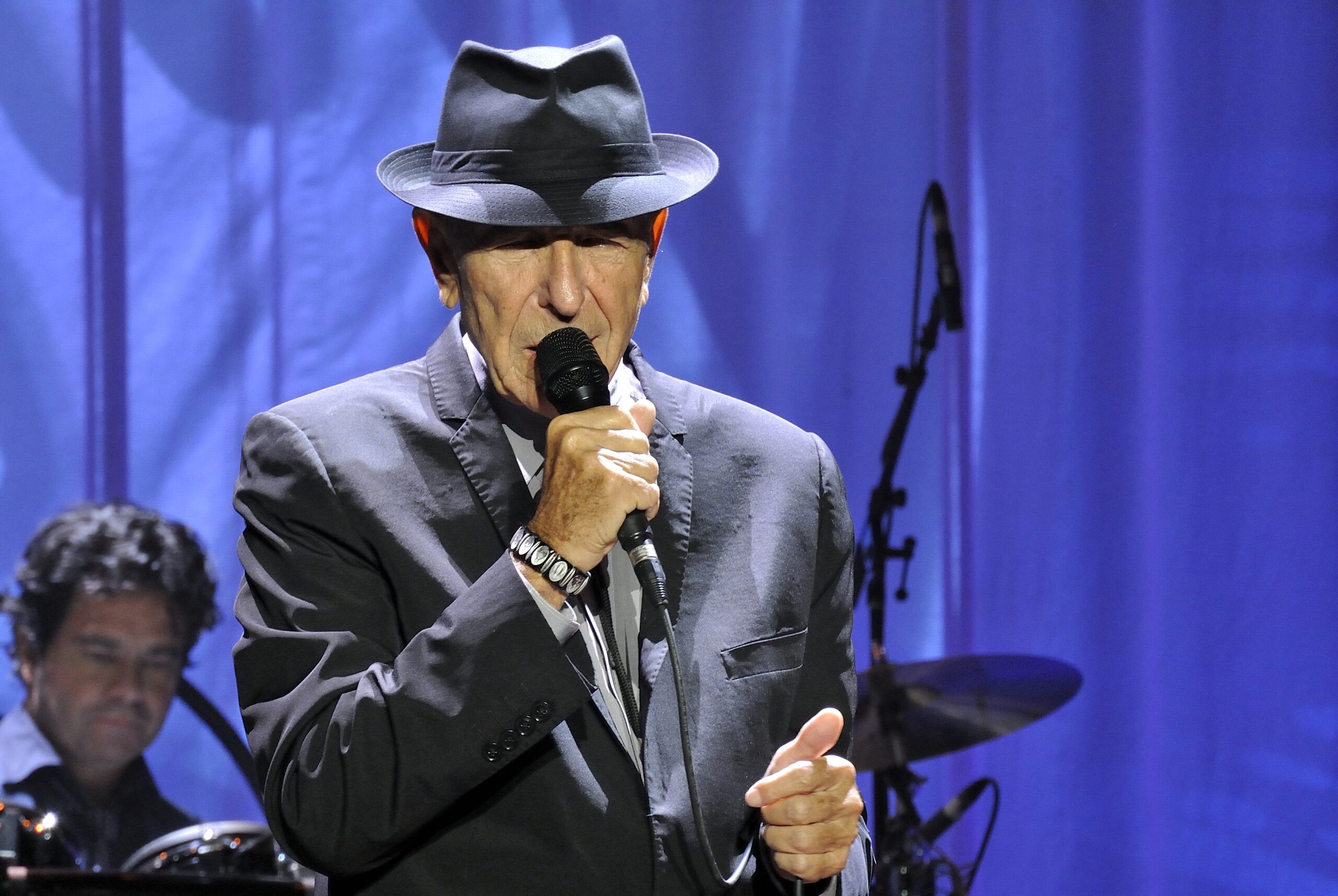
Takahiro Kyono, CC BY 2.0, via Wikimedia Commons Licensed under Leonard Cohen in 2013 via Pexels
Part of the backlash comes from the song itself.
“Hallelujah” has been used at memorials, weddings, ceremonies, talent shows, movies, television scenes, and public tributes. Its meaning can shift depending on who performs it and where it appears.
That flexibility is part of its power.
But it also makes the song easy to misuse.
At a political rally, especially one built around spectacle and power, “Hallelujah” can feel like an attempt to borrow emotional depth from a song that was not created for campaign theater. That is the line critics may see Trump’s event crossing.
The debate is not only about whether a singer performed the song. It is about whether the moment tried to wrap political messaging in borrowed sacredness.
The Performers Who Pulled Out Added To The Damage
The Cohen estate controversy came as the event’s entertainment lineup had already taken hits.
Several artists reportedly withdrew amid concerns about the celebration’s political nature. That gave the rally a second storyline before Trump even took the stage: who still wanted to be connected to the event, and who wanted distance?
That is a dangerous question for any major political spectacle.
Music is supposed to make rallies feel bigger, warmer, and more unified. But when artists back away, the absence becomes part of the message. It suggests the event may not be as culturally broad as organizers hoped.
For Trump supporters, the withdrawals may look like celebrity politics as usual. For critics, they look like artists refusing to let their names and catalogs become decorations for a political brand.
Either way, the entertainment drama became part of the show.
The Real Fight Is Over Who Controls A Song’s Meaning
Once a song leaves the studio, the public gives it new life. Fans attach memories to it. Families play it at personal milestones. Politicians try to use it to stir emotion. Movements borrow it to create mood and meaning.
But artists and estates still care about context.
That is the heart of this fight.
Leonard Cohen’s estate was not just objecting to sound waves in a room. It was objecting to the symbolic use of Cohen’s work at a Trump event. That distinction is important.
A song can be legally licensed in one setting and still become morally disputed in another. A campaign can want the emotional power of a song, but the people guarding that artist’s legacy may not want the political baggage.
That is why these disputes keep exploding.
Freedom 250 Needed Unity, But Got Another Culture War
The irony is hard to miss.
A celebration tied to America’s 250th anniversary should have been an easy pitch: history, pride, flags, music, and a shared national milestone. Instead, the Freedom 250 rally became another reminder that even patriotic pageantry now runs through America’s political divide.
A song choice became a fight. A concert lineup became a political signal. A national birthday celebration became another test of who wants to stand near Trump and who wants to step away.
That is the bigger story.
Trump can still fill a stage with loyal performers. He can still create spectacle. He can still turn a rally into a headline machine.
But the Leonard Cohen estate’s objection shows the limit of political showmanship. A campaign can borrow a stage, wave the flags, and cue the flyover. It cannot always borrow the soul of a song without a fight.
And in this case, “Hallelujah” became more than music.
It became another reminder that in Trump’s America, even the soundtrack can turn into a battlefield.