Six Flags America Is Gone, but Maryland’s Redevelopment Fight Is Just Beginning
The roller coasters have gone quiet, the crowds are gone, and what was once one of Maryland’s loudest family destinations now sits in an uncomfortable silence. Six Flags America in Bowie did not simply close. It left behind 515 acres of expectation, memory, rust, and political pressure.
On paper, the future sounds exciting. A massive Prince George’s County site could become a year-round destination with restaurants, entertainment, retail, sports, jobs, and investment. But we have seen this kind of story before. Big land. Big promises. Big renderings. Then come traffic fights, vague timelines, frustrated residents, expensive concepts, and the slow fear that a beloved local place may be replaced by something shiny but soulless.
Here are some reasons the abandoned Six Flags America site could become Maryland’s next big redevelopment headache.
The Closure Took Away More Than a Theme Park
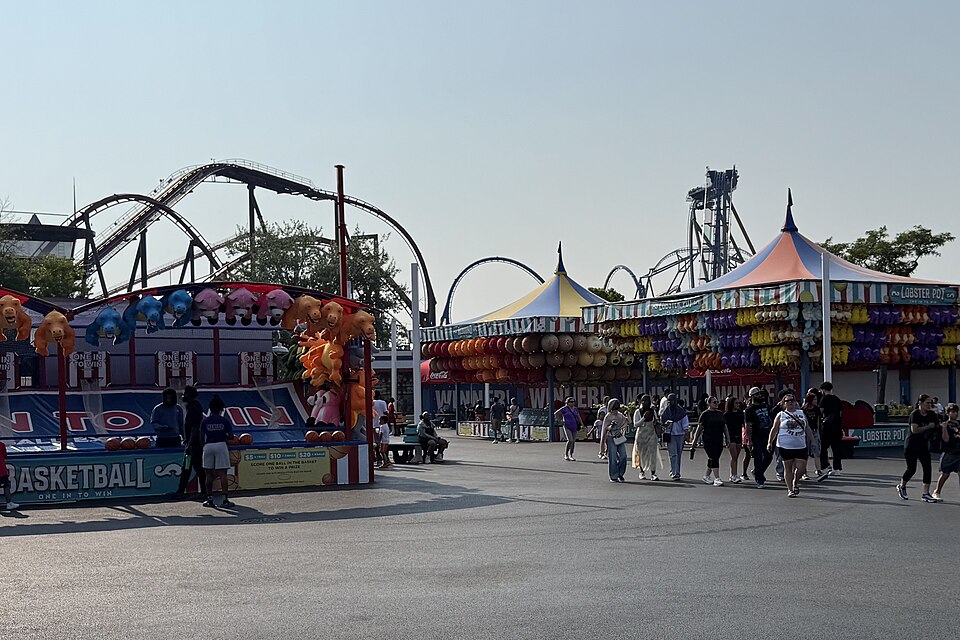
For many families, Six Flags America was not just a place with rides. It was where teenagers got summer jobs, parents took children during school breaks, and families built low-cost traditions close to home. Losing that kind of place leaves a hole that cannot be filled by polished speeches about “world-class experiences.”
That is the danger in treating the site only as real estate. Once the rides are gone, the memories do not automatically transfer to whatever comes next. A food hall, retail district, or entertainment complex may bring in money, but it may not restore the same sense of access that made the park matter to ordinary families.
The Site Is So Large That Failure Would Be Hard to Hide
A small failed redevelopment can be ignored. A 515-acre failed redevelopment cannot. The former Six Flags America site is too big, too visible, and too emotionally loaded to become another fenced-off promise sitting behind construction barriers for years.
That scale is both a gift and a trap. The land gives Prince George’s County a rare chance to build something meaningful. But if the vision becomes too broad, too slow, or too expensive, the same size that makes the property valuable could turn it into one of Maryland’s most obvious symbols of stalled ambition.
Traffic Could Turn the Dream Into a Daily Complaint

The old park brought crowds, but a mixed-use destination could create a different kind of pressure. Restaurants, event spaces, sports venues, offices, hotels, retail, and entertainment attractions would not operate only on summer weekends. They could bring traffic throughout the week, deep into the evening, and during peak commuting hours.
That means transportation planning cannot be treated as a boring technical detail. It may decide whether residents embrace the project or resent it. If the redevelopment adds congestion without meaningful solutions for roads, parking, transit, and safety, the excitement around the project could quickly turn into neighborhood anger.
“Year-Round Destination” Sounds Good Until Residents Ask Who It Is For
The phrase “year-round destination” is powerful because it suggests a life of activity, jobs, and economic growth. But it also raises an uncomfortable question. Will the new development serve the people who live nearby, or will it mainly target visitors with deeper pockets?
That question matters because Prince George’s County residents have heard versions of this promise before. They do not just want another development that looks impressive in a press release. They want something usable, affordable, and rooted in the county. If the former Six Flags site becomes a place locals drive past rather than enjoy, the project could become a public-relations win and a community disappointment at the same time.
The Wild One Problem Shows How Easily History Can Be Scrapped
The old Wild One roller coaster is not just another aging ride. It is part of amusement park history, and for many coaster fans, its fate carries emotional weight. When a historic ride sits on land marked for redevelopment, the conversation becomes bigger than demolition.
The question is whether the new vision has room for memory. Developers often talk about honoring the past, but preservation usually becomes complicated when budgets, safety rules, and construction schedules enter the room. If everything is cleared away without a meaningful tribute, the county risks replacing a landmark with a development that feels disconnected from the land it occupies.
Jobs Are Promised, but Job Quality Will Matter More

Every major redevelopment comes wrapped in the language of jobs. That is expected. But residents should watch closely for the difference between temporary construction work, low-wage service jobs, seasonal positions, and long-term career-building employment.
Six Flags America offered a familiar job pipeline, especially for young workers. A new development could create more positions, but bigger does not always mean better. The real test will be whether local hiring, training programs, small-business access, and decent wages become part of the plan, not just decorative words in the announcement.
A Food Hall Alone Cannot Carry 515 Acres.
A chef-driven food hall would be an easy idea to sell. It sounds modern, local, flexible, and fun. It could give Prince George’s County entrepreneurs a platform and create a place residents actually want to visit. But a food hall cannot support a site this large on its own.
That is where the risk begins. Large mixed-use projects sometimes become collections of buzzwords: dining, retail, entertainment, wellness, technology, sports, culture. Each idea sounds attractive on its own, but the whole project needs a clear identity. Without that, the former Six Flags site could become a development that tries to be everything and ends up feeling like nowhere.
Public Input Is Valuable, but It Can Also Become Political Cover
More than 1,000 residents weighing in shows that people care deeply about what happens next. That is a good sign. It means the county is not trying to quietly move one of its most important land decisions behind closed doors.
But public input only matters if it shapes the final result. Residents have seen meetings, surveys, and listening sessions before. The danger is that community voices are collected, praised, summarized, and then softened once the real-money decisions begin. If the final plan barely reflects what residents asked for, the input process could end up feeling like theater.
The Longer the Site Sits Empty, the More the Story Turns Negative
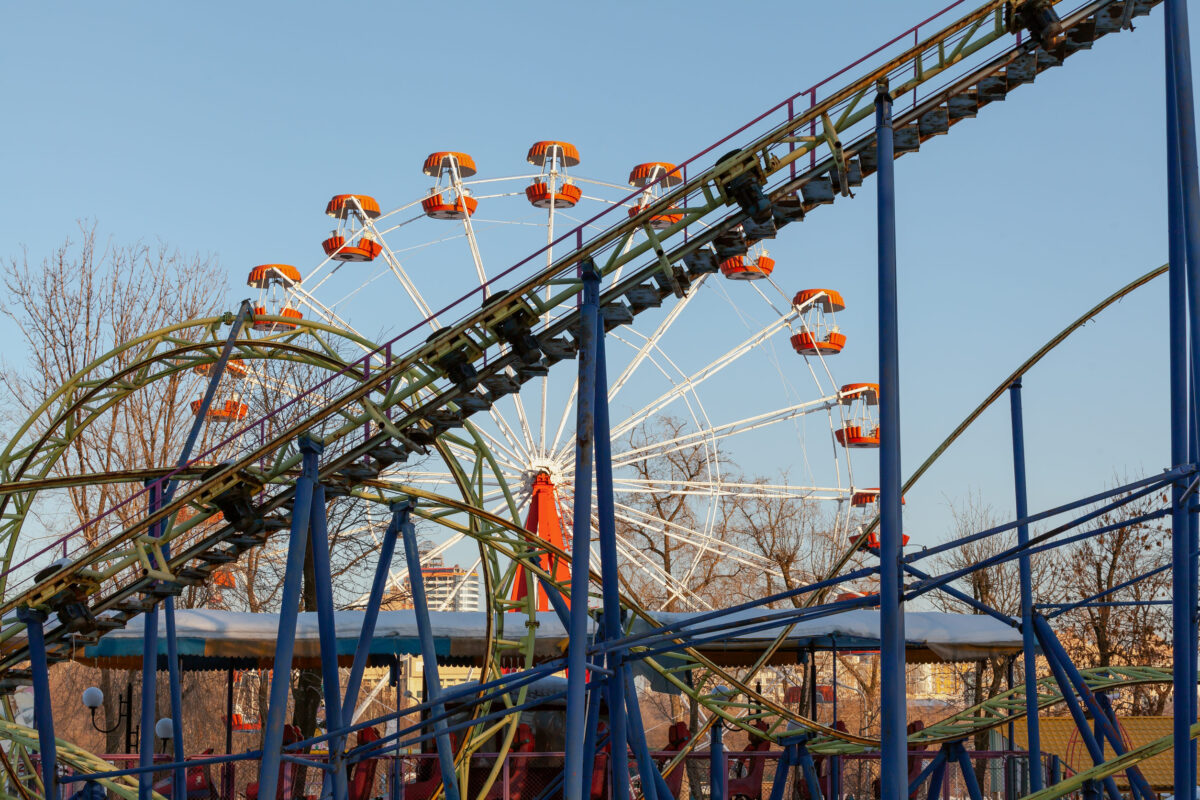
Closed amusement parks have a strange way of looking sad quickly. A silent coaster, an empty entrance, a shut water park, and unused walkways create a mood that is hard to shake. The longer the property sits in limbo, the more people will see decay instead of possibility.
That timeline matters. Residents can tolerate a transition if they believe progress is real. They are less forgiving when a beloved property becomes a waiting room for vague plans. The county and development team will need to demonstrate visible progress, set clear milestones, and maintain honest communication before excitement turns into suspicion.