Why Are Houses So Expensive? 10 Powerful Forces Driving Today’s Housing Crisis
Home prices are no longer just rising. They are stretching the limits of what most households can realistically afford. Across cities, suburbs, and even once-affordable smaller towns, buyers are running into the same wall: prices that feel disconnected from incomes, savings, and financial reality.
What used to be a clear path to homeownership now feels like a moving target that keeps slipping further away. Interest rates are higher, starter homes are scarce, and competition remains intense even as the market cools. The truth is simple but uncomfortable. Housing has become expensive because multiple pressures are stacking up at once. And until those pressures ease, affordability will remain out of reach for many.
There Are Simply Not Enough Homes to Go Around
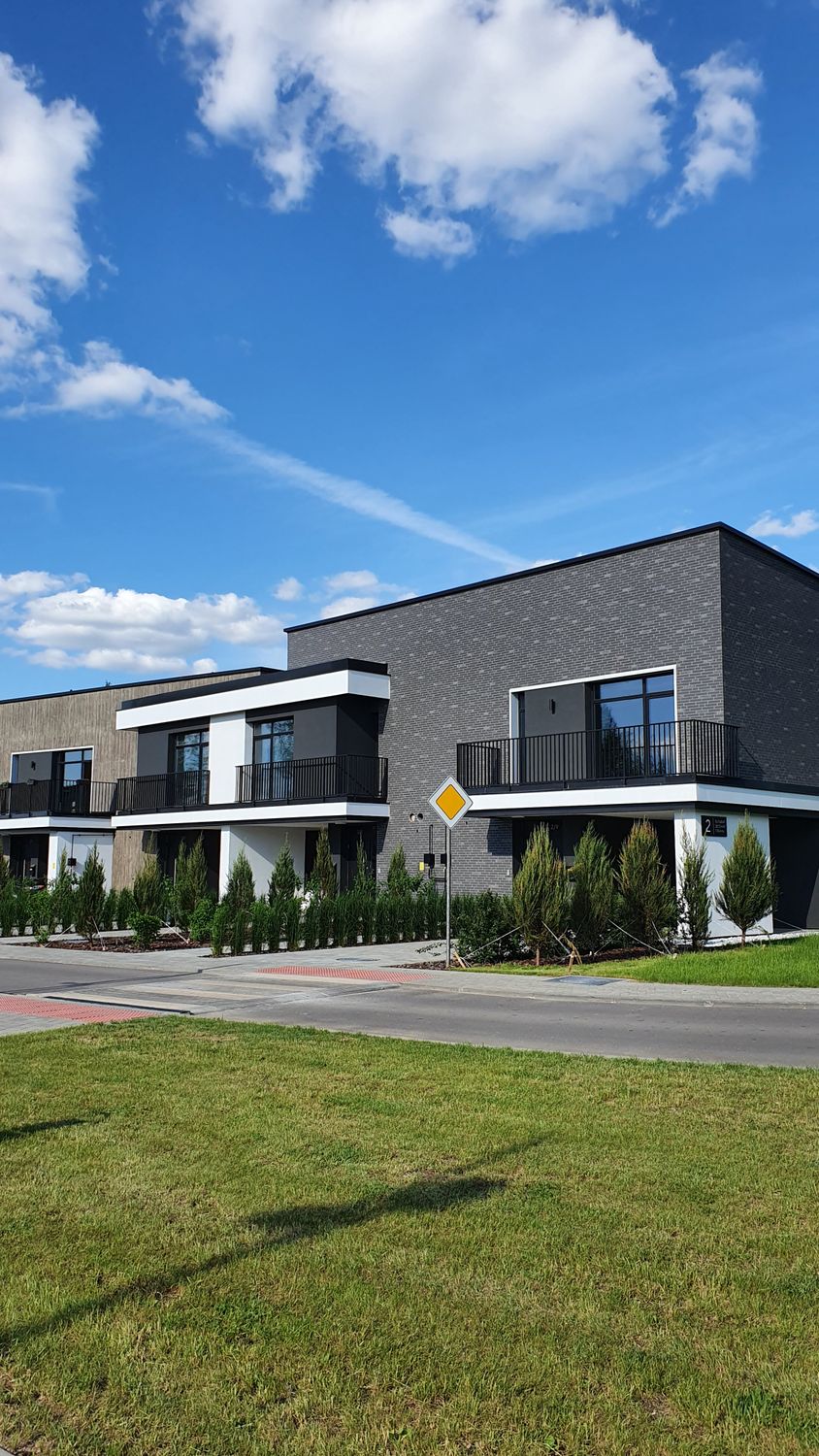
The biggest driver of high prices is a basic imbalance. There are more people looking for homes than there are homes available in the places they want to live. For years, construction has not kept pace with population growth, household formation, and migration into urban and job-rich areas.
That gap creates constant competition. When multiple buyers want the same limited home, prices rise naturally. Even when demand cools slightly, the shortage keeps a floor under prices.
Building Has Not Caught Up for Over a Decade
Housing shortages did not appear overnight. They built up over years of construction delays, especially after the 2008 financial crisis, when construction slowed dramatically. Many developers became cautious, financing tightened, and local opposition to new housing increased.
The result is a long-term deficit of millions of homes. Even today, new construction struggles to close that gap because land, labor, and regulation all slow the process.
Zoning Rules Limit Where and What Can Be Built
In many cities and suburbs, zoning laws restrict density and control the types of housing that can be built. Large areas are reserved for single-family homes only, dramatically reducing the number of housing units that can be built on valuable land.
This limits supply in exactly the places where demand is highest. Even when land is available, approval processes and community resistance can delay projects for years, driving up costs before construction even begins.
Mortgage Rates Have Changed the Affordability Math
Even if home prices stay stable, higher mortgage rates make monthly payments significantly more expensive. Buyers who could afford a home at a low interest rate suddenly find themselves priced out at today’s rates.
This shift reduces affordability without changing sticker prices. It also creates hesitation among buyers, while sellers resist lowering prices, keeping the market stuck in a tense balance.
The Starter Home Has Nearly Disappeared
One of the biggest structural changes in housing is the decline of entry-level homes. Builders often focus on larger, more profitable homes due to high land and construction costs.
At the same time, existing smaller homes are rarely sold because owners are locked into low mortgage rates. This leaves first-time buyers competing for a shrinking pool of modestly priced properties, driving prices even higher in that segment.
Construction Costs Keep Rising Across the Board
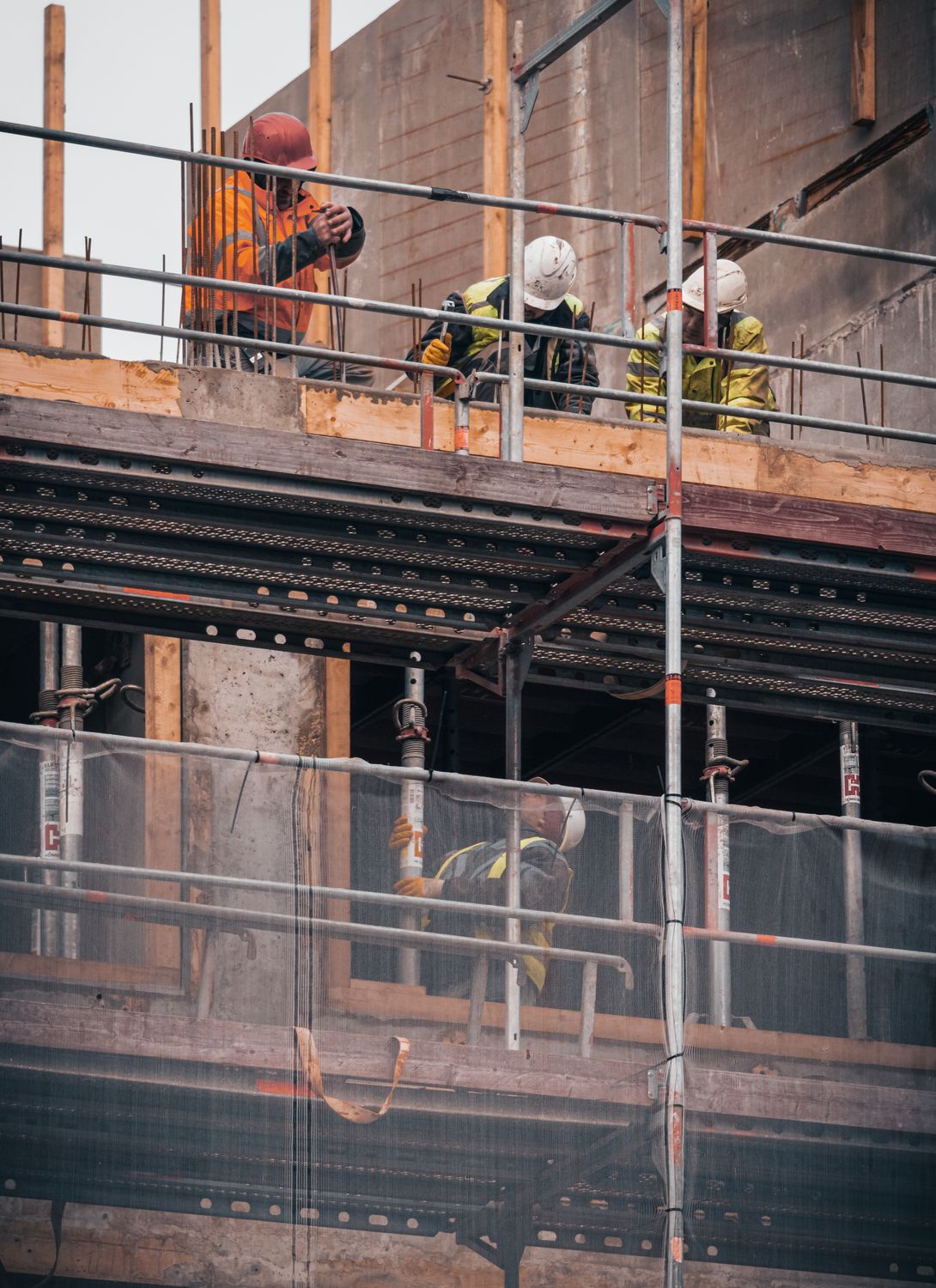
Building a home is more expensive than ever. Lumber, steel, concrete, appliances, and skilled labor all cost significantly more than in previous decades.
On top of that, financing construction projects has become more expensive due to higher interest rates. These costs are ultimately passed on to buyers, pushing new home prices upward and setting a higher baseline for the entire market.
Homeowners Are Staying Put Longer Than Before
A major hidden force in today’s housing market is what economists call “lock-in effect.” Millions of homeowners currently have ultra-low mortgage rates.
Selling their home would mean giving up that low rate and taking on a much higher one for their next property. As a result, many choose not to move at all. That reduces inventory, which keeps supply tight and prices elevated.
Investors and Cash Buyers Add Extra Competition

In many markets, investors and cash buyers compete directly with traditional homebuyers. Investors often see housing as a long-term asset or rental opportunity, while cash buyers can move quickly and bypass financing delays.
This puts pressure on first-time buyers who rely on mortgages. While not the sole cause of high prices, this added competition intensifies bidding wars in already tight markets.
Wages Have Not Kept Up With Home Prices
One of the most important affordability gaps is the difference between income growth and home price growth. Over time, home values have risen far faster than household incomes in many regions.
That means even people with stable jobs and solid financial habits find it harder to save for down payments or qualify for loans. When incomes lag behind housing costs, affordability naturally breaks down.
Insurance, Taxes, and Maintenance Are Rising Too
The true cost of owning a home goes far beyond the mortgage. Property taxes have increased in many areas as home values rise. Homeowners insurance has also climbed, especially in regions affected by climate risks and rebuilding costs.
Maintenance and repairs are more expensive due to higher labor and material prices. These ongoing costs add pressure even after a buyer purchases a home.
Why the Market Feels Stuck Even When Demand Cools
One of the most confusing parts of today’s housing market is that prices do not always fall when demand slows. That is because supply is still tight, many homeowners are unwilling to sell, and construction cannot quickly adjust.
Instead of a crash, the market often shifts into a slow-moving standstill in which prices remain high, but sales activity slows.
The Bigger Picture: Housing Is Now a Structural Affordability Crisis
Housing is no longer just about buying property. It is about access to opportunity, financial stability, and long-term wealth building. When housing becomes expensive, it affects everything from job mobility to family planning to retirement decisions.
The crisis is not driven by a single factor but by a layered system of supply shortages, financing costs, policy constraints, and economic pressures working together.