Police License Plate Cameras Are Raising New Questions About Privacy On American Roads
A small camera sits on a pole, a patrol car, a traffic structure, or the entrance to a neighborhood. It does not stop traffic. It does not flash like a red-light camera. It does not tell drivers their plate has just been recorded. It simply captures the vehicle, reads the license plate, logs the time and location, and sends that information into a database that may be searched later.
That quiet process is now at the center of a growing national debate over automated license plate readers, the surveillance tools increasingly used by police departments, private neighborhoods, businesses, and local governments.
Supporters say the technology helps officers find stolen cars, locate suspects, investigate shootings, recover missing people, and respond faster when a wanted vehicle passes through a community. Critics argue that the same systems can also create a hidden map of ordinary people’s movements, even when those people are not accused of doing anything wrong.
The concern is no longer only theoretical. Reported misuse cases involving officers allegedly searching license plate reader data for personal reasons have turned a technology debate into a personal privacy alarm.
How License Plate Cameras Track Daily Movement
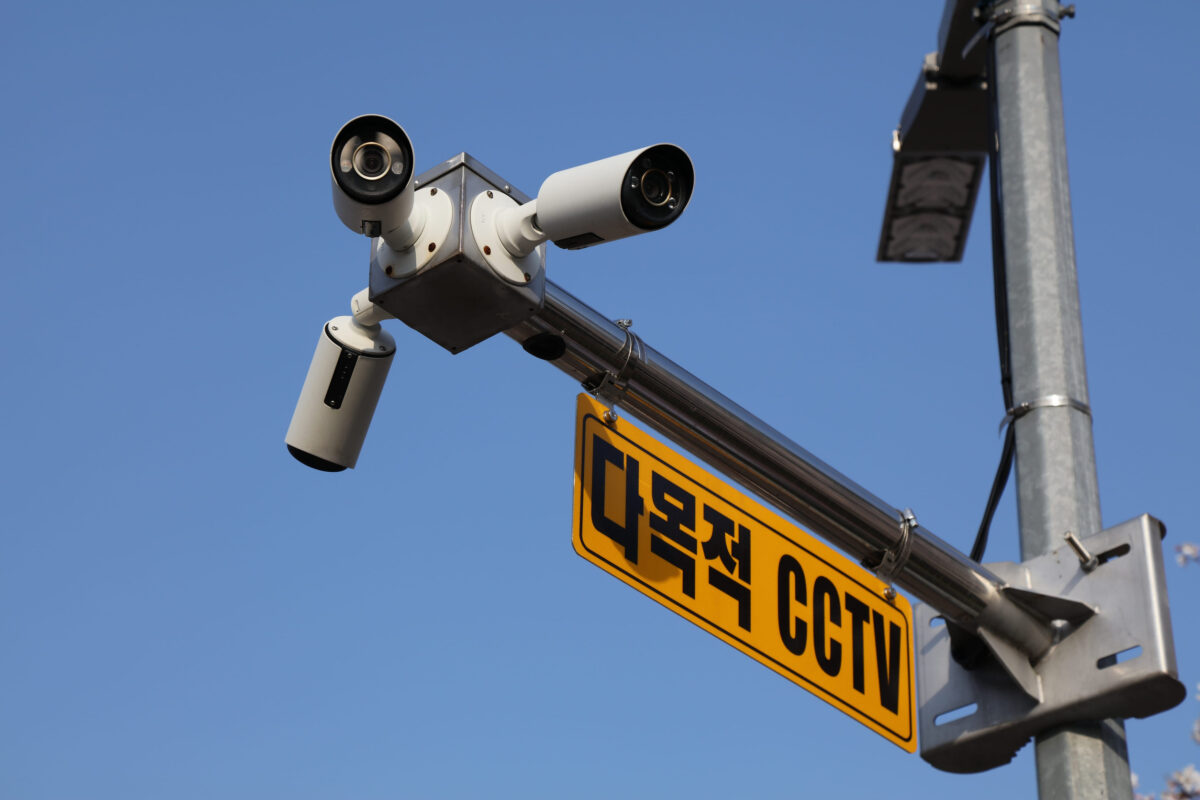
Automated license plate readers are designed to scan passing vehicles and turn each sighting into a record. A plate number, date, time, and location can be captured in seconds. Some systems may also record vehicle details such as color, make, model, and visible features.
For the police, that information can be valuable. If a stolen car passes a camera, the system can alert officers. If investigators are searching for a vehicle connected to a crime, they can check where that plate has appeared. A camera network can help build a timeline faster than officers could by manually reviewing scattered footage.
But the same strength that makes the technology useful also makes it controversial. These cameras not only capture vehicles linked to crimes. They capture everyone who drives by.
A parent taking a child to school, a worker commuting to a night shift, a patient visiting a clinic, a person attending a religious service, or someone stopping at a friend’s home can all become part of the same database. Most of those drivers will never know they were recorded.
That is the central issue. A public road has always been visible, but license plate readers turn visibility into a stored, searchable record. A person is no longer just seen passing through a street. Their movement can become data.
Why Privacy Advocates Are Worried
Privacy groups have warned that license plate reader systems can reveal sensitive patterns about a person’s life. One scan may not say much. Hundreds of scans over weeks or months can tell a story.
They can show where someone sleeps, works, worships, receives medical care, shops, protests, or spends time. They can reveal routines and relationships. They can show whether a person regularly visits a particular address or neighborhood.
That level of detail becomes especially concerning when the data is stored for long periods or shared across agencies. In some places, police departments may access not only their own cameras but data from nearby cities, private communities, business districts, or other law enforcement partners.
Supporters argue that access is meant for investigations and public safety. Critics say that without strict rules, broad access can become an invitation for abuse.
The debate comes down to a simple question: Should police or private camera networks be able to collect the movements of thousands of innocent drivers just in case the information becomes useful later?
Misuse Cases Have Made The Fear More Real
The strongest argument against unchecked license plate reader access comes from reported cases of alleged misuse.
Civil liberties advocates have identified cases across the country in which officers were accused of using license plate reader systems to track people for personal reasons. Some cases involved romantic partners, former partners, spouses, or people connected to private disputes.
These cases are disturbing because they show how quickly a public safety tool can become a personal surveillance weapon when access is not tightly controlled.
The danger is not difficult to understand. If someone with police access can search a plate without meaningful oversight, that person may be able to learn where another person has been. For someone experiencing stalking, domestic conflict, harassment, or intimidation, that kind of access can be frightening.
The concern grows when misuse is discovered only after a victim notices something strange or complains. That raises a serious oversight question. If a person does not know they are being searched, how would they know to report it?
A system that depends on victims discovering the abuse after the fact is not a strong safeguard. It is a warning sign.
Flock Safety And The Rise Of Private Camera Networks
One of the most recognized names in this debate is Flock Safety, a company whose license plate reader cameras are used by police departments, homeowners’ associations, businesses, apartment complexes, schools, and local governments.
The company promotes its cameras as crime-fighting tools that can alert authorities when certain vehicles pass by. Many communities install them after concerns about car thefts, break-ins, shootings, or other crimes.
To residents worried about safety, the appeal is obvious. A neighborhood camera that helps identify a stolen car or alert police to a wanted vehicle can feel like a practical solution.
But critics argue that private camera networks create another layer of concern. When neighborhoods, businesses, and public agencies all collect vehicle data, the lines between public safety and private surveillance can blur.
A driver may pass through a neighborhood without realizing the entrance camera captured their plate. That data may then be available to police or stored in a system connected to a wider network. The driver does not get a choice, a warning, or a clear explanation.
That is why the debate has become bigger than police departments. It is also about private communities, technology vendors, local governments, and how much surveillance should be allowed in everyday life.
The Problem Is Not Only The Cameras, But The Rules
License plate readers are not automatically abusive. They can help solve serious crimes. They can help recover stolen vehicles. They can help locate missing people. In urgent situations, they can give police a useful lead.
The problem is what happens when powerful tools spread faster than the rules that control them.
Strong oversight would require clear limits on who can search the data, why they can search it, how long it is kept, who audits the searches, and what happens when someone misuses access. Every search should leave a record. Supervisors should review suspicious patterns. Agencies should be transparent with local communities. Misuse should bring real consequences.
Without those safeguards, the system depends too heavily on trust.
Trust alone is not enough when a tool can reveal where people go. The public needs more than promises that the data will be used properly. It needs policies, audits, accountability, and public debate before surveillance becomes permanent.
Why Drivers Often Do Not Know They Are Being Watched
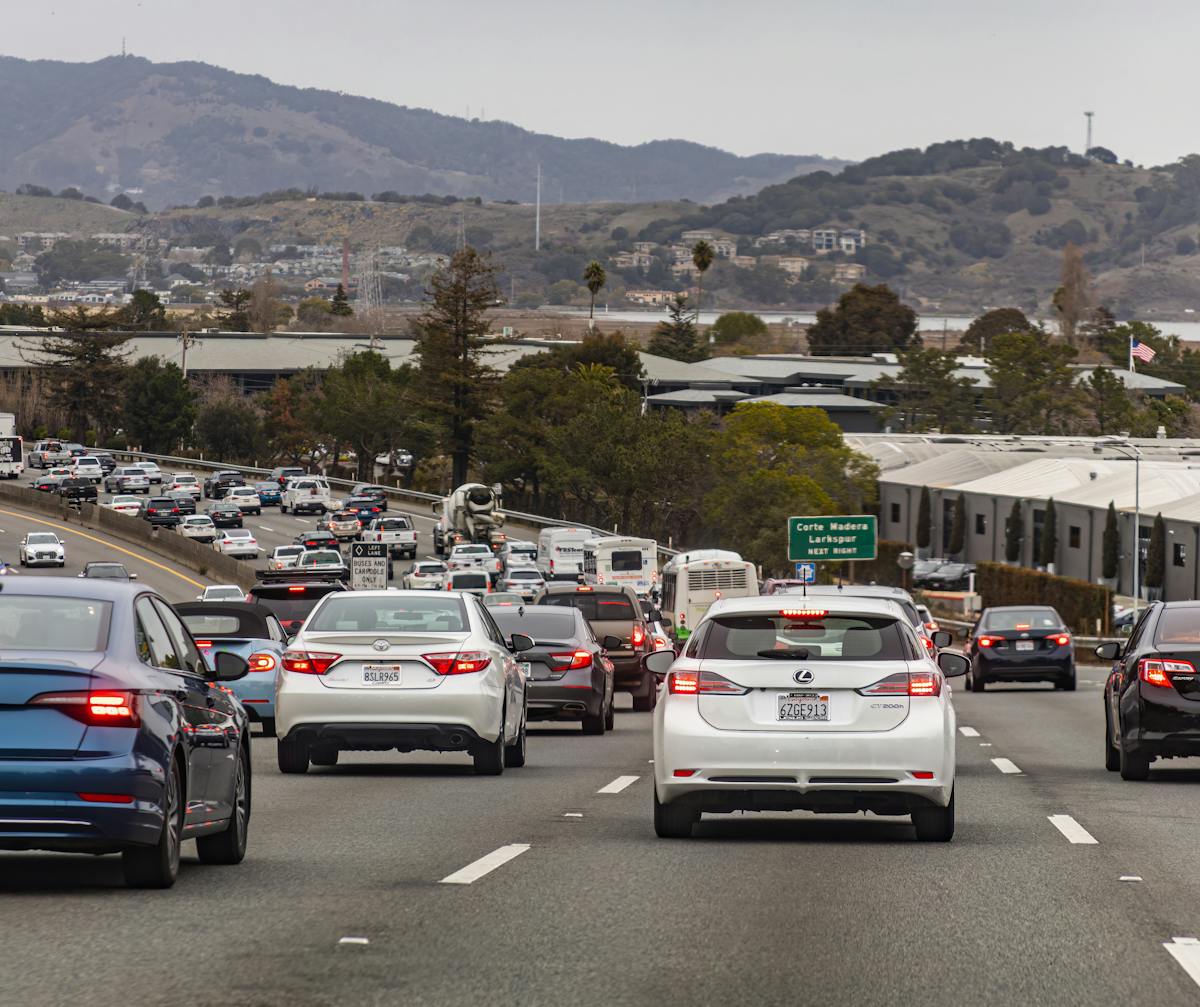
One reason license plate readers have expanded with limited public awareness is that they are easy to miss. They are not always marked clearly. They may be mounted high above roads, attached to poles, placed near parking lots, or installed at neighborhood entrances.
Unlike a traffic stop, the scan happens silently. A driver does not receive a notice. There is no receipt, alert, or message saying their plate was recorded.
That secrecy makes the technology more powerful. It also makes it harder for communities to understand how common the cameras have become.
In many cities, residents only learn about license plate readers after a contract has already been approved or cameras have already been installed. Public meetings may happen with little attention. Technical details may be buried in local government documents. By the time people ask questions, the system may already be operating.
That pattern frustrates privacy advocates who believe communities should debate surveillance before it becomes normal, not after.
How People Can Learn More About Cameras In Their Area
Drivers who want to know whether license plate readers are being used in their community can start by checking local government records, police department policies, city council agendas, and public meeting minutes.
Public records requests may also reveal contracts, data retention rules, agency agreements, and policies explaining how the cameras are used. Some communities have technology transparency rules requiring police departments to disclose surveillance tools before using them.
Residents can also ask local officials direct questions. They can ask how many cameras are installed, where they are generally located, how long the data is kept, which agencies can access it, whether private camera systems share data with police, and how misuse is investigated.
The important point is that surveillance should not be invisible to the public. A community cannot meaningfully decide whether a technology is acceptable if residents do not know it exists.
The Bigger Fight Over Everyday Privacy
The license plate camera debate is part of a larger fight over privacy in public spaces.
Americans are used to being seen outside. Roads, stores, parking lots, and sidewalks are not private spaces in the traditional sense. But modern surveillance changes what being seen means.
A person walking or driving past a camera is no longer only visible for a moment. That moment can be recorded, stored, searched, shared, and combined with other records. Over time, small pieces of data can form a detailed picture of a person’s life.
That is why license plate readers are so controversial. They sit at the intersection of safety and freedom. Many people want police to have tools that help stop crime. Many also do not want their daily movements logged by default.
Both concerns are real. Communities want protection, but they also want boundaries.
The Question Every Community Must Answer
License plate cameras are spreading because they offer something cities and neighborhoods want: speed, information, and the promise of safety. But every surveillance tool comes with a cost, and the cost is often paid quietly by people who never agreed to be tracked.
The real question is not whether police should ever use technology. The real question is whether ordinary drivers should be scanned, stored, and searchable simply because they passed through a public road.
If communities choose to use license plate readers, they need clear rules before abuse happens. They need public oversight before systems expand. They need consequences when access is misused. They need transparency about how long data is kept and who can see it.
For now, the cameras continue to watch. The harder question is whether the public will demand enough accountability to watch the watchers.