“Quiet Plan, Loud Alarm”, Senator Warns of Possible Mass Removal of Migrant Children as U.S. Immigration Tensions Rise
A U.S. senator has raised concerns over a reported plan involving the potential removal of more than 500 unaccompanied migrant children. The administration denies the claim, but the dispute has triggered legal, political, and humanitarian scrutiny across immigration systems.
A Warning That Sparked Immediate Tension in Washington
A new political and legal debate has emerged after Senator Ron Wyden raised concerns about what he described as a possible plan involving the rapid removal of more than 500 unaccompanied migrant children in U.S. custody. The claim, first circulated via reporting linked to AP coverage and widely shared on secondary platforms, centers on children in the care of the Office of Refugee Resettlement. The senator’s warning suggests some of these children could be moved quickly if they lack identified sponsors, raising questions about process, oversight, and legal safeguards in the immigration system.
At the same time, the Department of Health and Human Services has pushed back strongly, stating there is no active plan targeting children for mass removal. This immediate contradiction between congressional concerns and agency denial has turned the issue into a broader national discussion about how unaccompanied minors are treated once they enter federal custody.
Inside the System That Holds Unaccompanied Children

Unaccompanied migrant children enter the U.S. system after crossing the border without a parent or legal guardian. They are placed under federal care through the Office of Refugee Resettlement, which is responsible for housing, safety, and placement with vetted sponsors.
In many cases, children remain in custody while authorities attempt to locate relatives or approved guardians. Some stay in shelters or foster arrangements for months. The reported concern raised by Senator Wyden focuses on children who have been in custody for extended periods, including those without identified sponsors after roughly 180 days. According to the senator’s warning, this group may be subject to expedited removal procedures if no placement options are found.
This point is critical because U.S. immigration law and child welfare policy emphasize that minors should be placed in the least restrictive and safest environment possible while their cases are reviewed.
Where Policy and Politics Begin to Collide
The dispute reflects a deeper conflict between immigration enforcement priorities and child protection obligations. On one side, critics of the alleged plan argue that removing children quickly could bypass important legal protections, including asylum claims, trafficking screenings, and access to legal representation. On the other side, federal agencies maintain that proper sponsor vetting is necessary to prevent children from being placed in unsafe or unverified homes.
The administration’s position, as reflected in public responses to the allegation, is that efforts are focused on ensuring children are matched with legitimate sponsors, often family members, rather than being removed arbitrarily. However, Senator Wyden’s warning frames the situation differently, suggesting that the lack of sponsorship could be used to justify fast-track removals rather than expanded placement efforts.
This tension highlights a recurring challenge in immigration policy, where child welfare standards and enforcement actions often operate under competing pressures.
The Shadow of Past Immigration Disputes
This is not the first time questions have surfaced about how migrant children are handled during enforcement operations. In 2025, reports described a controversial attempt involving the transfer of Guatemalan children, which was later halted after legal intervention. That episode, widely referenced in immigration reporting, added to concerns about how quickly children can be moved once they are identified for removal.
Advocates point to that precedent as evidence that emergency legal action may be necessary if any large-scale removal process begins again. Even though the current situation remains at the level of allegations and denials, the memory of prior disputes has intensified scrutiny. Courts have previously stepped in to review whether government actions adequately protected children’s rights and ensured access to legal counsel before any removal decisions were executed.
Legal Questions Sitting at the Center of the Debate
At the heart of the issue is due process. Under U.S. law, unaccompanied minors are entitled to specific protections, including the ability to present asylum claims or seek special immigrant juvenile status in certain circumstances. These legal pathways often require time, documentation, and access to legal representation.
If children are moved or removed before these processes are completed, it could raise significant constitutional and statutory questions. Senator Wyden’s concerns focus heavily on whether children would receive proper notice, access to attorneys, and individualized case review before any action is taken.
Federal agencies, however, argue that maintaining integrity in the sponsor system is equally important, especially in preventing trafficking or unsafe placements. This creates a legal balancing act between urgency and procedural fairness, one that courts are often asked to interpret when disputes arise.
What Happens Next Could Define Policy Direction
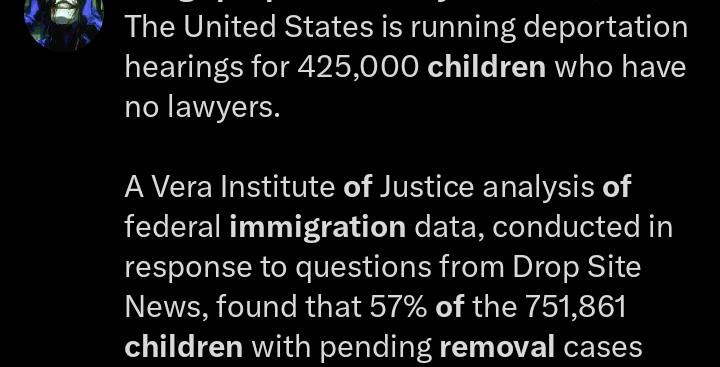
For now, the situation remains unresolved. The Department of Health and Human Services has denied that any plan exists to target children for mass removal. Meanwhile, lawmakers and advocates are calling for transparency, including documentation of any procedures that might involve children who have been in federal custody for extended periods.
If any movement of children were to occur, it would likely trigger immediate legal challenges. Immigration attorneys and advocacy groups have previously sought emergency court orders in similar situations, arguing that sudden transfers can violate due process protections.
The political dimension is also significant. Immigration policy remains one of the most divisive issues in Washington, and the treatment of children often becomes the most sensitive and closely watched aspect of the debate. Any confirmed action involving large groups of minors would likely intensify scrutiny from Congress, courts, and humanitarian organizations.
This story ultimately sits in a narrow but powerful space between allegation and denial, concern and confirmation. On one side is a senator warning of possible rapid removals affecting vulnerable children already in federal care. On the other hand, there is an administration insisting that no such plan exists and that existing procedures are designed to protect safety and integrity.
What makes the issue significant is not just what is claimed, but what it represents. It reflects ongoing pressure in the U.S. immigration system, where policy decisions about children must balance enforcement goals with legal protections that define how far government authority can go. The outcome of this dispute will depend not only on political statements but on whether evidence emerges to support or refute the warning in the days ahead.