Costco Shoppers Are Rethinking Memberships as Savings No Longer Beat the Stress
Costco has spent decades teaching Americans one powerful shopping lesson: bigger can be cheaper. For many families, that lesson still holds. The warehouse chain remains a retail giant, with loyal members who swear by Kirkland Signature products, discounted gas, rotisserie chicken, bulk pantry staples, paper goods, prescriptions, and the occasional surprise find that somehow ends up in the cart. But a quieter frustration has been building around the Costco experience. Some shoppers are no longer asking whether Costco has good deals. They are asking whether getting those deals has become too much work. That is a very different question.
A membership warehouse is supposed to make shoppers feel smart. Lately, some members say the trip feels crowded, expensive, slow, and strangely exhausting. The savings may still be there, but for certain households, the emotional receipt has changed.
Here are seven reasons some Costco shoppers are looking at their membership differently.
The Crowds Are Turning a Bargain Hunt Into a Battle Plan
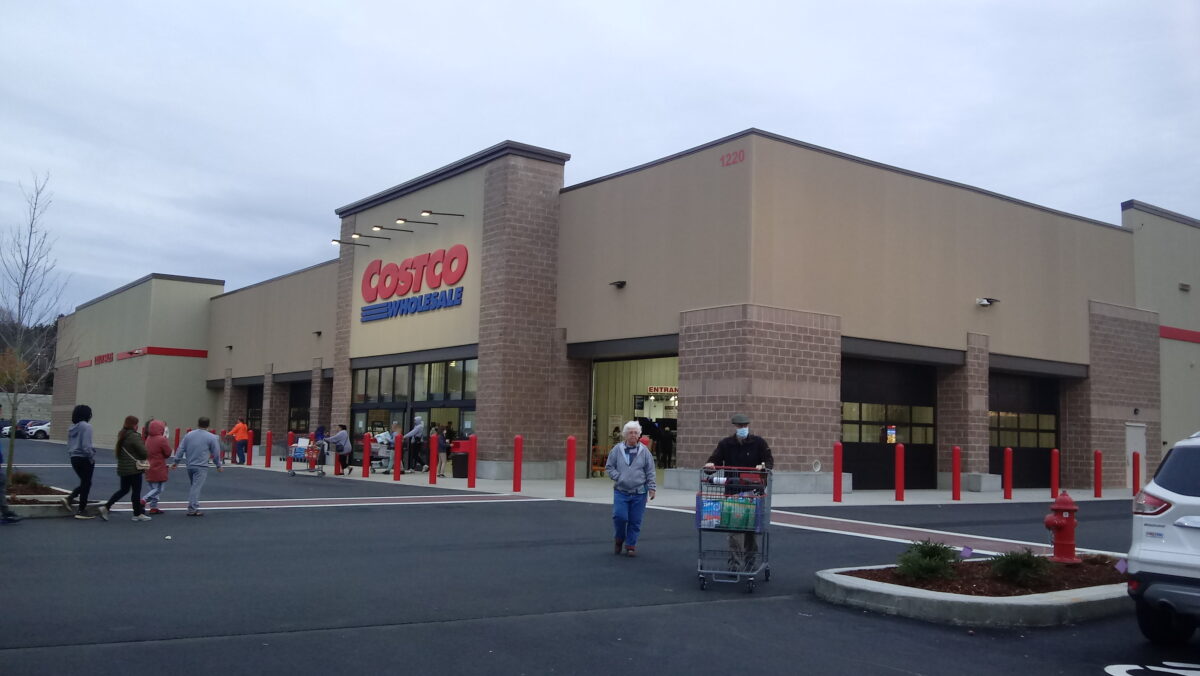
Jacob Blanck, CC BY-SA 4.0, via Wikimedia Commons Licensed Under Costco in the United States
Costco’s popularity is one of its biggest strengths. It may also be one of its biggest headaches. For shoppers who remember easier trips, the modern Costco run can feel like entering a weekend traffic jam with shopping carts. The parking lot is full. The entrance is busy. The aisles are crowded. Shoppers move slowly around sample stations. Checkout lines stretch longer than expected. Even grabbing a few basics can feel like a full errand instead of a quick stop. That matters because Costco is not the kind of store most people visit casually. A trip usually requires planning. Members often drive farther, buy more, carry more, load more, unload more, and store more.
When the savings feel large, the effort feels justified. When the savings feel ordinary, the crowd becomes harder to forgive. For some shoppers, the issue is not that Costco stopped being useful. It is that the trip now demands more patience than they want to spend.
Bulk Buying Does Not Work for Every Household Anymore
Costco’s model is built around volume. Buy more at once, and the per-unit price often looks better. That can be a major win for large families, small businesses, frequent hosts, and households with enough pantry or freezer space. But for singles, couples, renters, retirees, and smaller households, bulk buying can become a quiet trap.
A giant pack of produce is not a bargain if half of it spoils. A large box of snacks is not a deal if it leads to overbuying. A massive container of sauce is not useful if it sits in the fridge until everyone forgets it exists. This is where Costco’s value becomes personal.
The warehouse may offer strong prices, but shoppers still have to ask whether their real-life needs match the package size. A good deal of food ends up as waste. A good deal of household items can become clutter. A good deal that requires extra storage can become a source of stress. Costco rewards families that know exactly what they use. It can punish shoppers who buy on optimism rather than a plan.
The Membership Fee Makes People Do the Math

Costco increased its annual membership fees in 2024, raising the Gold Star membership from $60 to $65 and the Executive membership from $120 to $130. For many loyal shoppers, that increase may not feel dramatic. But membership fees have a way of making people pause.
Once shoppers pay for access, the question becomes simple: are we saving enough to justify the cost of the card? That question feels especially sharp for people who visit Costco only a few times a year. A household that buys gas, groceries, pharmacy items, paper products, and major appliances may easily recover the fee. A shopper who goes mainly for snacks, rotisserie chicken, or a handful of Kirkland favorites may not feel so sure.
The Executive membership adds another layer. The 2% reward can be valuable for higher-spending members, but it can also tempt shoppers to spend more than they planned just to feel the upgrade was worth it. That is where the psychology of Costco gets interesting. A membership can save money. It can also make shoppers feel pressure to shop.
Impulse Buys Can Eat the Savings Before Shoppers Notice
Costco is not just a warehouse. It is a treasure hunt with fluorescent lights. A shopper may walk in for paper towels and coffee, then leave with a heated blanket, a giant cheesecake, two jackets, a patio chair, a holiday decoration, a box of protein bars, and a kitchen appliance that looked too good to pass up. That discovery factor is part of Costco’s charm. It is also part of the danger.
The store is designed to make shoppers feel like they might miss something if they do not grab it now. Limited-time items create urgency. Seasonal displays create temptation. Bulk sizes make purchases feel practical, even when they were not planned. For disciplined shoppers, Costco is a savings tool. For impulsive shoppers, it can become a budget leak with excellent lighting.
This is why some members leave feeling conflicted. They may have saved money on toilet paper, but the final receipt still came out higher than expected. Over time, that pattern can make the warehouse feel less like a money-saving club and more like a place where budgets go to wander.
The Tire Center Complaints Show That Price Is Not Everything

Costco is not only a grocery and household goods destination. Many members also use its tire centers, gas stations, pharmacy, optical department, and travel services. Those extras can make a membership more valuable. But they can also create frustration when service falls short.
Some shoppers have complained online about slow tire appointments, repair issues, and customer service problems. That does not mean every Costco Tire experience is bad. Many members still find good value there. But service complaints matter because they affect trust.
A shopper may forgive a crowded grocery aisle. They may be less forgiving when a car-related service takes too long or does not meet expectations.
The bigger lesson is simple: Costco cannot win on price alone. When members are paying for access, they expect the entire experience to feel efficient and reliable. A cheap tire deal may get someone in the door. A frustrating service experience may push them to a local tire shop next time.
New Entrance Scanners Make the Store Feel Less Effortless
Costco has been rolling out membership scanners at warehouse entrances. Members must scan a physical or digital card before entering where the system is in place, and guests must be accompanied by a valid member.
From Costco’s perspective, the move makes sense. The company is protecting the value of paid memberships. A warehouse club depends on making sure members are the ones using the benefits. But from the shopper’s perspective, it can feel like one more step in a trip that already has several. Park the car. Find the card. Scan at the entrance. Navigate the crowd. Wait in line. Show the receipt. Load the car. Unpack at home. None of those steps may be unreasonable on its own. Together, they can make the Costco trip feel more controlled and less convenient.
For loyal members, scanners may be a small issue. For already frustrated shoppers, they can become another symbol of a shopping experience that feels less easy than it once did.
Costco’s Biggest Rival May Now Be Convenience
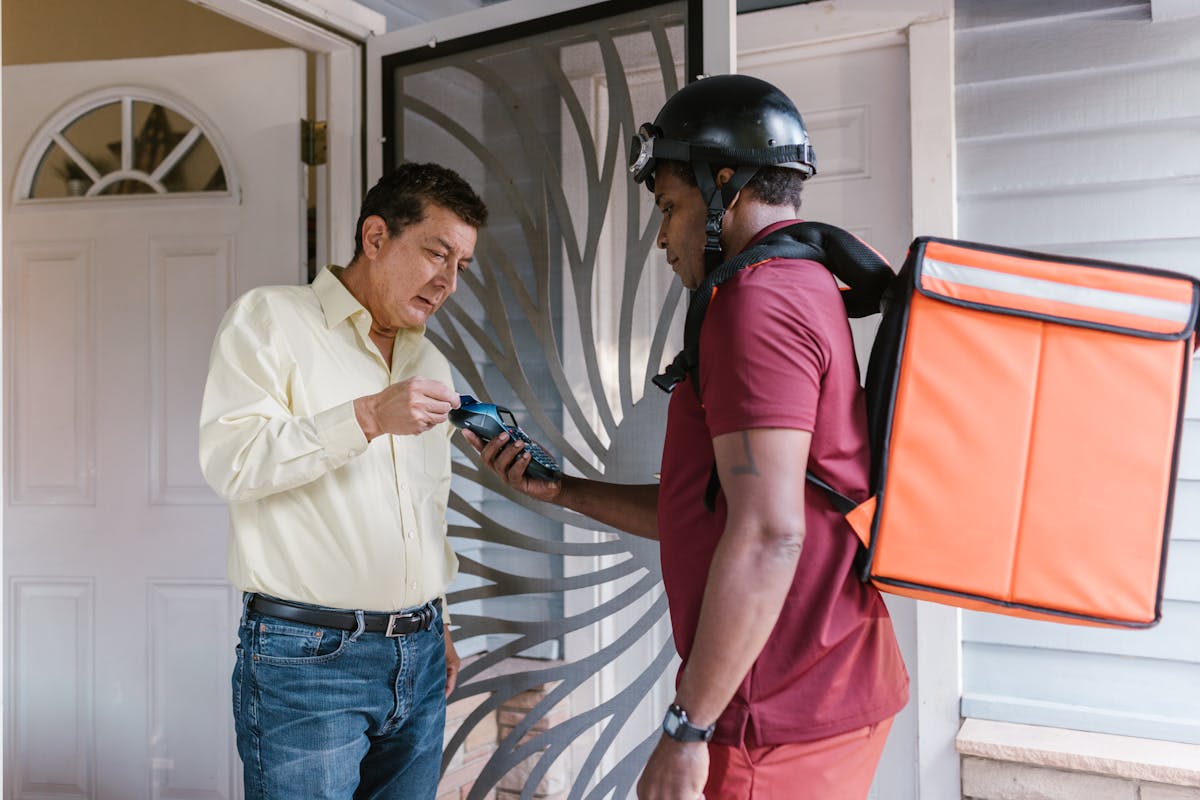
The Costco debate is not just about Costco. It is about how shopping has changed. Today’s consumers have more options than ever. They can use grocery pickup, delivery apps, Amazon, Walmart, Target, Aldi, Sam’s Club, local supermarkets, discount grocers, and store-brand deals that compete more aggressively than before. That means Costco is no longer competing only on price. It is competing against time.
A shopper may pay a little more at a nearby grocery store if the trip takes 20 minutes instead of two hours. A busy parent may prefer curbside pickup over a packed warehouse. A city renter may choose smaller packages because storage is limited. A couple may decide that buying only what they need is better than saving on what they might waste. That does not make Costco a bad deal. It means the meaning of value has changed.
Value is no longer just the lowest unit price. It is price plus time, effort, storage, flexibility, and peace of mind.