Shrimp Served in Restaurants Has Now Been Tested in Several States: 5 Things the Results Show
Ordering shrimp at a coastal restaurant can feel pretty straightforward. You see words like “local,” “wild-caught,” or “Gulf shrimp,” picture a nearby fishing boat, and assume that is roughly what is arriving on your plate.
A multistate restaurant-testing program suggests it is not always that simple.
SeaD Consulting, working with the Southern Shrimp Alliance, has tested shrimp dishes from restaurants across Alabama, Florida, Georgia, Louisiana, Mississippi, North Carolina, South Carolina, and Texas. The Southern Shrimp Alliance reported in September 2026 that the broader program had covered 1,104 restaurants across those eight states.
This was not a government food-safety investigation. The testing focused primarily on shrimp species and whether what laboratories identified matched restaurant descriptions and sourcing claims. The restaurant surveys themselves were also industry-funded and were not peer-reviewed studies.
So what did the testing actually show? Here are five key takeaways.
Some Restaurant Claims Did Not Match the Tested Shrimp
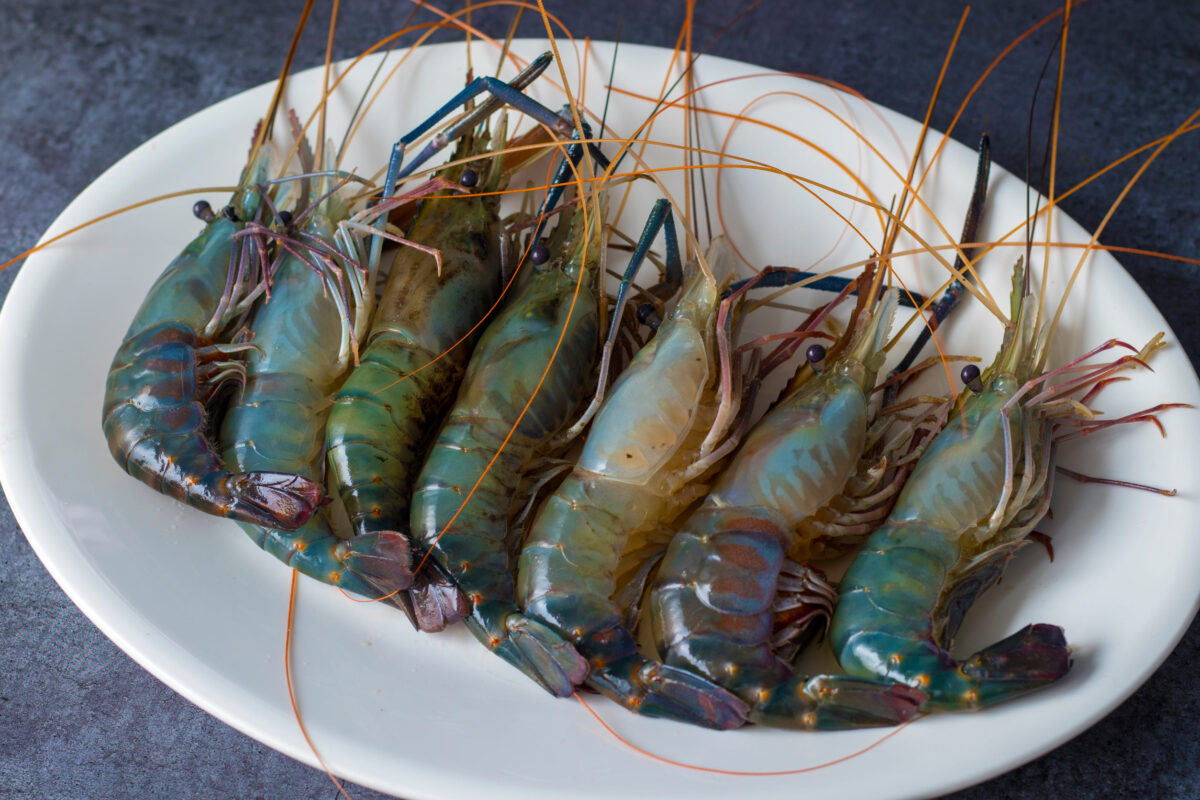
One of the newest rounds took place along North Carolina’s Crystal Coast in September 2026.
SeaD classified 36 of 44 tested dishes as imported and farm-raised. More importantly, 34 of the 44 dishes were reportedly presented as U.S. wild-caught or local shrimp. Only eight dishes were classified as U.S. wild-caught.
That distinction matters.
It would be inaccurate to simply say that 36 dishes were “mislabeled,” because two of the imported-classified dishes were apparently disclosed accurately. The more defensible conclusion is that SeaD identified 34 cases in which the laboratory classification conflicted with an explicit local or U.S. wild-caught representation.
In other words, the biggest issue was not that imported shrimp appeared on menus. It was whether customers were being told clearly what they were getting.
Related: 6 Tiny Restaurant Touches That Are Quietly Winning Over Diners and Making Every Visit Feel Personal
The Results Looked Very Different From One Market to Another
The testing did not reveal one neat pattern across the South.
At Georgia’s Golden Isles in December 2025, 43 of 44 dishes were classified as U.S. wild-caught shrimp. The one imported dish was reportedly identified correctly to customers.
Compare that with Tampa and St. Petersburg, Florida. In January 2025, the program reported that 42 of 44 establishments gave customers the impression they were serving domestic or wild shrimp while serving imported shrimp instead.
That is a huge difference between two restaurant markets.
It is also a good reminder not to turn these findings into a sweeping claim about an entire state. Most individual testing rounds involved only 24 or 44 establishments, and researchers often focused on restaurants that promoted local or fresh seafood.
The findings tell us something about the places sampled. They do not establish a universal rate for every seafood restaurant in Florida, Georgia, or anywhere else.
Imported Shrimp Wasn’t Automatically a Problem
This may be the most important practical takeaway.
Imported shrimp and misleading shrimp claims are not the same thing.
In Baton Rouge, Louisiana, SeaD classified 14 of 44 dishes as imported and farm-raised. Five restaurants reportedly disclosed that accurately. Nine were classified as explicit misrepresentations.
That means roughly one-third of the dishes were classified as imported, but a smaller share involved an alleged sourcing mismatch.
The point is simple: a restaurant can serve imported shrimp without misleading customers if it accurately tells them what it is serving.
The investigation also did not find that imported shrimp was unsafe. In fact, the restaurant-testing program did not report testing these samples for antibiotics, bacteria, heavy metals, chemicals, microplastics, or similar contaminants.
So this is a transparency story, not a food-safety scare.
Some Markets Improved When They Were Tested Again
Galveston and Kemah, Texas, produced one of the more interesting before-and-after results.
During the initial December 2024 testing, 26 of 44 restaurants were reported as having sourcing misrepresentations, or about 59%.
A December 2025 follow-up reported five cases among 22 restaurants, about 23%. The program also said nearly 64% of restaurants in the retest served domestic wild shrimp, compared with 41% in the earlier round.
That sounds encouraging, but one important limitation remains: the second test included only half as many restaurants.
So the results suggest improvement, but they shouldn’t be treated as a perfect apples-to-apples census of the whole market.
Still, the shift raises an interesting possibility. Once sourcing becomes visible to customers, restaurants may have more incentive to clarify menu descriptions or reconsider what they buy.
Related: The Small Businesses Turning Local Markets into More Than Just Shopping Trips
Restaurants in States With Labeling Laws Had Lower Reported Mismatch Rates
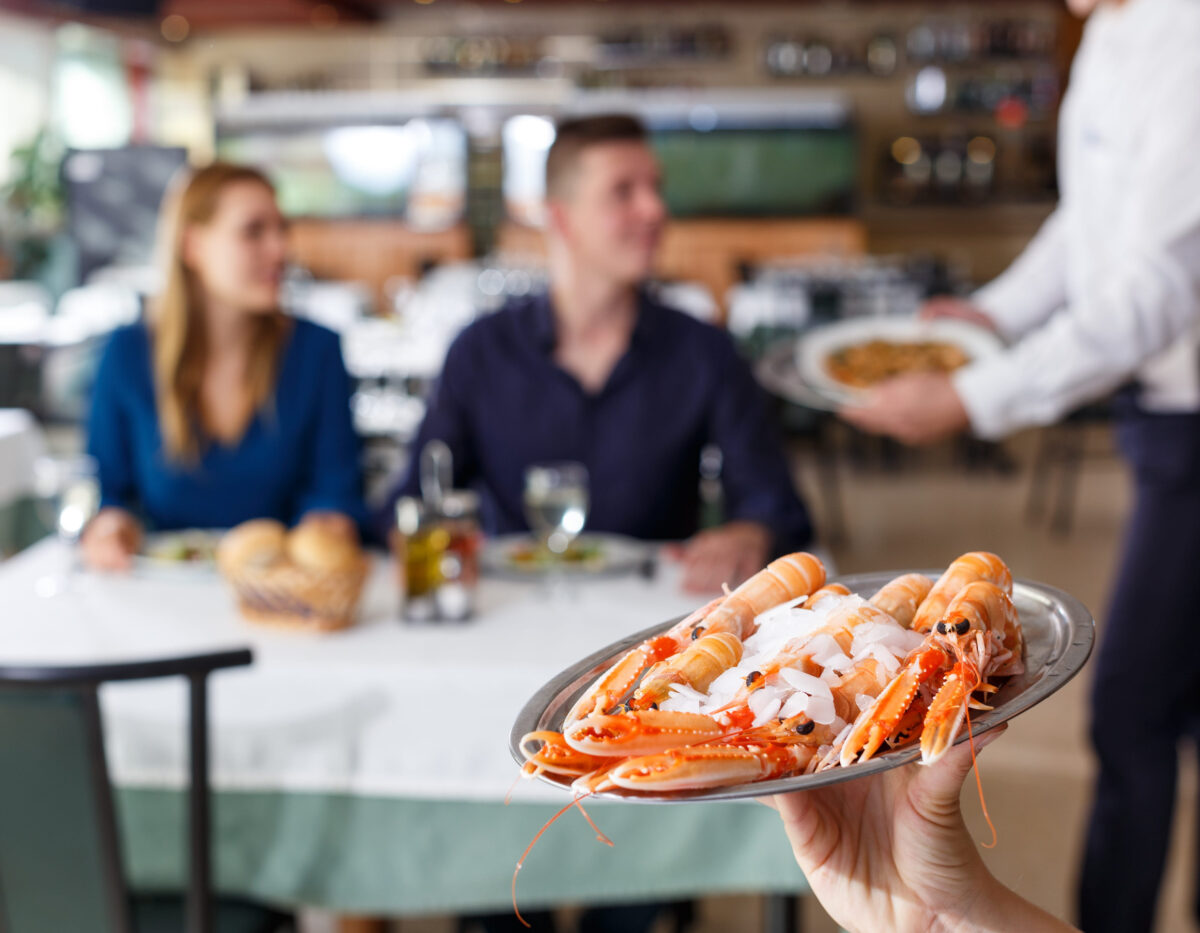
Across the broader dataset, the Southern Shrimp Alliance reported a notable difference between states with shrimp-labeling laws and those without them.
Among 488 restaurants in states with labeling laws, 149 were reported as misrepresenting shrimp, a rate of 30.5%. Among 616 restaurants in states without such laws, 424 were reported as doing so, or about 69%.
That is a striking gap.
But it does not prove that labeling laws caused the difference.
The tested states may differ in restaurant mix, enforcement, timing, seafood sourcing, local consumer expectations, and other factors. The testing was observational, not a controlled experiment.
Still, the numbers give policymakers and diners something worth watching as more states debate seafood-origin disclosure.
What Diners Should Take From the Findings
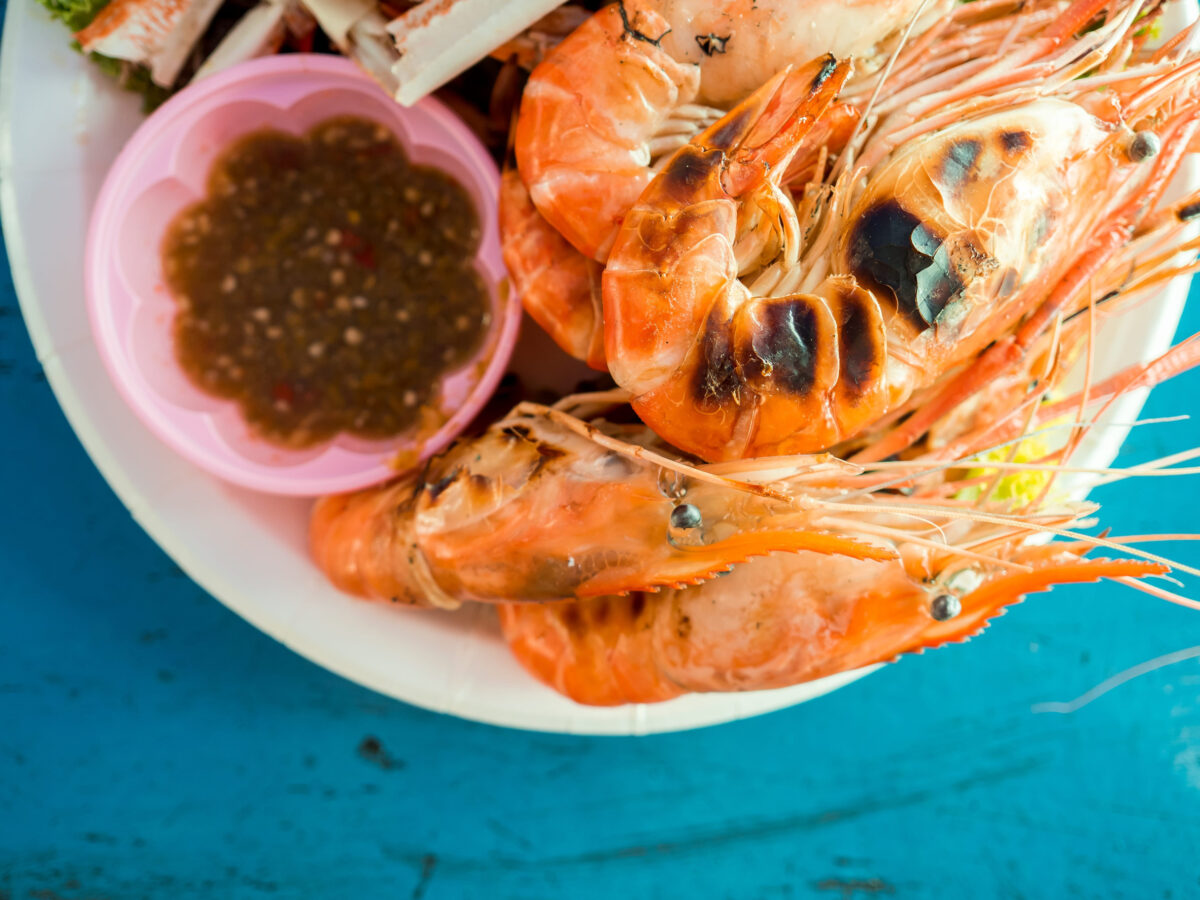
The practical lesson is not that restaurant shrimp should suddenly be viewed with suspicion.
It is that menu language matters.
If a restaurant advertises its shrimp as local, domestic, Gulf-caught, or wild, customers reasonably expect those descriptions to mean something.
The SeaD testing program has found cases where genetic species identification and those representations did not line up. It has also found restaurants and entire markets where the sourcing appeared transparent.
And the testing has limits. DNA analysis can help identify shrimp species, but it does not directly reveal the exact country where a shrimp was harvested, identify a supplier, prove how an individual shrimp was raised, or establish that anyone intentionally deceived customers.
For diners, the easiest approach may simply be to ask.
If “local shrimp” matters to you, ask where it comes from. If a menu clearly says imported shrimp, that is useful information too.
Because after testing more than 1,000 restaurants across eight Southern states, one theme stands out: the biggest difference is often not between domestic and imported shrimp. It is between clear disclosure and unclear claims.
Related: Fast-Food Chains Are Bringing the Human Touch Back, and Customers Are Noticing