Jersey City Housing Supervisor Accused of Taking $1,500 Bribe for Short-Term Rental Permit
A Jersey City housing supervisor is facing criminal charges after prosecutors said she accepted a cash bribe to approve a short-term rental permit, turning what might sound like a routine paperwork matter into a public trust case with serious legal consequences.
Jessica Barreto, 48, of Wallington, was arrested after investigators accused her of taking $1,500 in cash for personal gain in exchange for issuing a short-term rental permit. Prosecutors said the case involved a permit tied to Jersey City’s closely watched short-term rental system, a local process that has become increasingly important as cities across the country try to manage Airbnb-style housing, neighborhood complaints, and affordability concerns.
Barreto has been charged with second-degree computer criminal activity, third-degree forgery, and fourth-degree falsifying or tampering with public records. She was released pending her first court appearance, scheduled for July 16.
A Permit Process Now Under a Brighter Light

Short-term rentals are not just a side hustle in Jersey City. They are part of a larger housing debate that has played out in council meetings, court fights, neighborhood conversations, and property owner disputes. The city has rules for who can operate these rentals, what documents are required, and how properties must be approved before they can legally host short stays.
That is why the allegation cuts deeper than one permit.
A short-term rental permit is not simply a rubber stamp. It can determine whether a property owner may rent a unit to visitors for short stays, often through online platforms. In a city where housing supply, rent pressure, and neighborhood quality of life are constant issues, the permitting system is meant to protect residents from illegal rentals and provide legitimate operators with a clear path to compliance.
Prosecutors say Barreto violated that trust by accepting cash in return for issuing a permit. The accusation, if proven, would mean the process residents are expected to follow was allegedly bent for money.
The Charges Barreto Now Faces

The most serious charge listed against Barreto is second-degree computer criminal activity. Prosecutors also charged her with forgery and falsifying or tampering with public records, allegations that suggest investigators are looking not only at the alleged cash payment but also at how the permit was processed or documented.
Authorities have not released every detail of the investigation, including who allegedly paid the money or how investigators became aware of the alleged bribe. What has been made public is clear: Barreto is accused of accepting $1,500 in cash for personal gain in exchange for issuing a short-term rental permit.
She was arrested on Martin Luther King Jr. Drive by members of the Hudson County Prosecutor’s Office Special Investigations Unit and the Jersey City Police Department.
As with all criminal cases, the charges are accusations. Barreto is presumed innocent unless and until proven guilty in court.
City Hall Responds to the Allegations
Jersey City officials responded sharply after the charges became public.
A city spokesperson said there is “absolutely no tolerance” for the conduct described in the allegations and framed the case as a breach of public trust. The city also said the matter was referred to police after the allegations were identified, and officials pledged cooperation with the investigation.
The city’s response matters because this is not a private workplace dispute. Barreto worked in a department tied to housing oversight, a sensitive area in a city where residents often closely monitor development, landlord regulations, inspections, and rental enforcement.
Local government runs on public confidence. When a resident applies for a permit, reports a concern, pays a fee, or waits for approval, the basic expectation is fairness. The allegation here is that a public employee used their access to that process to favor a private payment.
That is the kind of claim that can quickly shake trust, even before a case reaches trial.
Why Short-Term Rentals Are So Sensitive in Jersey City
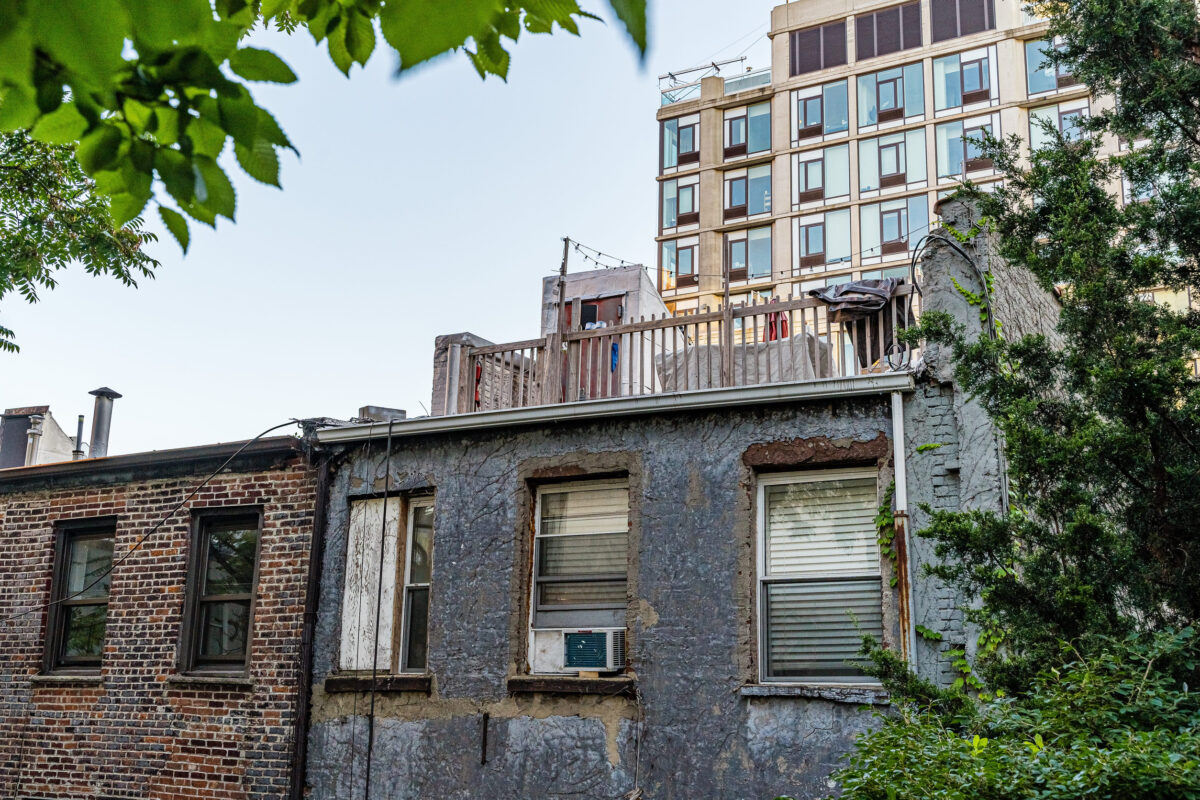
Jersey City’s short-term rental rules did not appear out of nowhere. Like many fast-growing urban areas near New York City, Jersey City has seen strong demand from travelers, hosts, landlords, tenants, and longtime residents who worry that housing is being pulled from the regular rental market.
Supporters of short-term rentals often argue they help homeowners earn extra income and bring visitors into local neighborhoods. Critics say they can turn residential buildings into unofficial hotels, disrupt neighbors, and reduce the number of long-term rentals available to people who actually live in the city.
That tension is why the permit process matters.
A clean permit system gives the city a way to track who is operating legally. It also gives neighbors and enforcement officials a record to rely on when questions arise. When prosecutors allege that a permit was issued through bribery, the story becomes bigger than one employee. It serves as a warning about the importance of strong internal controls, transparent records, and prompt investigations when something appears wrong.
What Happens Next
Barreto is expected to appear in court on July 16. At that point, the case will begin moving through the legal process, where prosecutors will have to support the charges, and Barreto will have the opportunity to respond.
For Jersey City residents, the case may also raise practical questions about whether any permit related to the allegation will be reviewed, whether other applications are being reviewed, and what safeguards exist in the short-term rental approval system.
City officials have said employees charged with crimes are suspended without pay pending the resolution of the criminal matter. The broader issue now is whether this case remains limited to a single alleged transaction or leads to a closer look at how short-term rental approvals are handled.
For now, the headline is clear enough: a Jersey City housing supervisor is accused of taking $1,500 in cash to approve a permit. The legal outcome is still ahead, but the public message is already loud.
In a city where housing rules are already under pressure, even one alleged bribe can make residents wonder whether the system is working for everyone or only for those willing to pay outside the rules.