Trump says America’s greatness was forged by faith as religion returns to center stage.
President Donald Trump is once again placing faith at the center of America’s national story, using a new White House video to frame religion not as a side note in public life, but as one of the engines that built the country. In the short reel, Trump delivers a familiar yet powerful message to his supporters: America, in his telling, was not shaped by politics alone, laws alone, or wealth alone. It was shaped by people who prayed, sacrificed, built communities, and believed their nation had a divine purpose.
The message is simple, direct, and designed to travel fast online. “American greatness has been forged by people of faith,” the White House video declares, turning a political statement into something closer to a national creed. The line lands with the rhythm of a campaign slogan, but it also taps into a deeper debate that has followed American politics for generations: What role should religion play in the nation’s public life?
A message aimed at believers
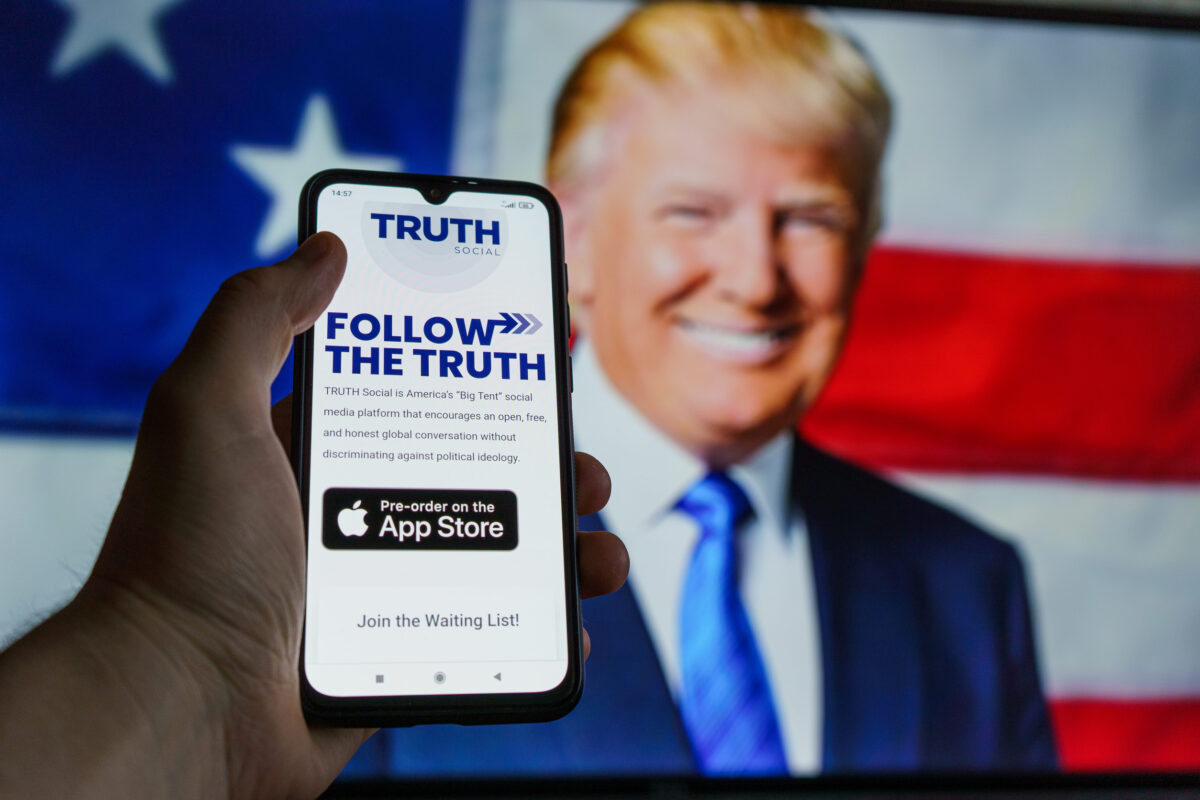
Trump’s remarks speak directly to religious conservatives who have long felt that faith is being pushed out of schools, government, workplaces, and public culture. By saying that religion is “back,” he is not only making a spiritual claim. He is making a political one.
For many of his supporters, the statement feels like recognition. They hear it as a promise that prayer, Christian language, religious symbols, and faith-based values will not be treated as embarrassing relics of the past. They see Trump’s message as a defense of churches, families, and traditional beliefs in a country they believe has grown increasingly secular.
The imagery is deliberate. Trump points back to America’s earliest settlers, to Jamestown, to the idea of prayer at the beginning of the American experiment. Whether one views that history as inspiring, incomplete, or more complicated than the speech suggests, the emotional force of the message is clear. It invites Americans to see faith not merely as private devotion, but as a public inheritance.
The politics behind the faith message
This is not just a spiritual moment. It comes as the White House continues to emphasize religious liberty as a major policy priority. The Religious Liberty Commission, created under Trump’s administration, has been tasked with advising on ways to protect religious expression and expand the role of faith in public life.
That makes the reel more than a patriotic reflection. It is part of a wider political effort to define religious freedom in a way that resonates with conservative voters. Supporters argue that the government has too often treated religious Americans with suspicion, especially Christians who oppose certain cultural changes. They believe stronger protections are needed for students, parents, workers, service members, churches, and faith-based organizations.
But critics see something different. They worry that language about religious liberty can become a vehicle for favoring one religious tradition over others. In a country with Christians, Jews, Muslims, Hindus, Buddhists, atheists, agnostics, and many others, the question is not whether faith matters. It clearly does. The question is how the government can respect religion without appearing to place one faith above the rest.
That tension sits underneath the entire conversation.
Why is the reel getting attention?
The video works because it is short, emotional, and built for social media. It does not ask viewers to study a policy paper. It asks them to feel something. It gives them a picture of America as a country held together by belief, prayer, and moral confidence.
That is why clips like this spread. They compress a large cultural argument into a few memorable lines. For Trump’s supporters, the reel confirms what they already believe: that the country is strongest when it openly honors God. For opponents, it raises alarms about church-state boundaries and the use of religious language for political loyalty.
Both reactions show why the topic remains so potent. Religion in America is never only about Sunday worship. It touches schools, courtrooms, elections, holidays, family life, immigration debates, abortion policy, LGBTQ rights, public funding, and the language leaders use when they describe the nation itself.
A familiar Trump strategy
Trump has long understood the power of symbolic politics. He knows that a phrase like “religion is back” can mean different things to different listeners. To some, it means Christmas greetings, public prayer, and respect for pastors. To others, it means a broader cultural pushback against secular liberalism. To critics, it sounds like a warning that the government may be moving too close to religious preference.
That flexibility is part of the message’s strength. It allows supporters to pour their own hopes into it. Some hear revival. Some hear resistance. Some hear reassurance that their values still have a place in national life.
At the same time, the message is unmistakably political. It arrives in a moment when faith-based voters remain a crucial part of Trump’s coalition. By speaking their language, he is reminding them that his administration sees them not as a forgotten bloc, but as a central force in the American project.
The bigger American question
The most important part of the debate is not whether faith shaped America. It did. Religious communities built schools, hospitals, charities, abolitionist networks, civil rights movements, immigrant support systems, and countless local institutions. Faith has comforted families in grief and pushed communities toward service.
But American history also includes fierce arguments over religious freedom, minority rights, and the danger of government-backed belief. The same country that protects public worship also protects the right not to worship. That balance is fragile, and every generation fights over where the line should be drawn.
Trump’s reel steps directly into that argument. It offers a confident answer: America needs religion, and religion should be visible again. Supporters will call that a restoration. Critics will call it a risk. But no one can honestly say the message is small.
In one minute, the White House turned a faith statement into a national conversation. And in today’s America, that is exactly where politics, religion, and identity keep meeting , not quietly, but in full view.