California’s Glock Crackdown Puts Gun Owners on Edge as New Sales Ban Sparks Legal Fight
California’s newest gun law is not just a technical update. For many gun owners, dealers, and Second Amendment advocates, it feels like a warning shot.
Assembly Bill 1127, signed by Gov. Gavin Newsom in October 2025, targets certain semiautomatic pistols that state lawmakers say can be illegally converted into automatic weapons. The measure has been widely described by critics as California’s “Glock ban” because it is expected to affect some Glock-style handguns, among the most common and recognizable pistols in the country.
The law takes effect July 1, 2026. It does not require current owners to surrender their firearms. But it restricts licensed California dealers from selling, offering for sale, transferring, or delivering certain pistols that fall under the state’s new “machinegun-convertible” definition.
Supporters say the law is a public safety measure aimed at illegal conversion devices. Opponents say California is punishing lawful gun owners for crimes that are already illegal.
That tension has turned one handgun platform into the center of a much larger fight over safety, rights, and the future of gun regulation.
What California’s New Law Does
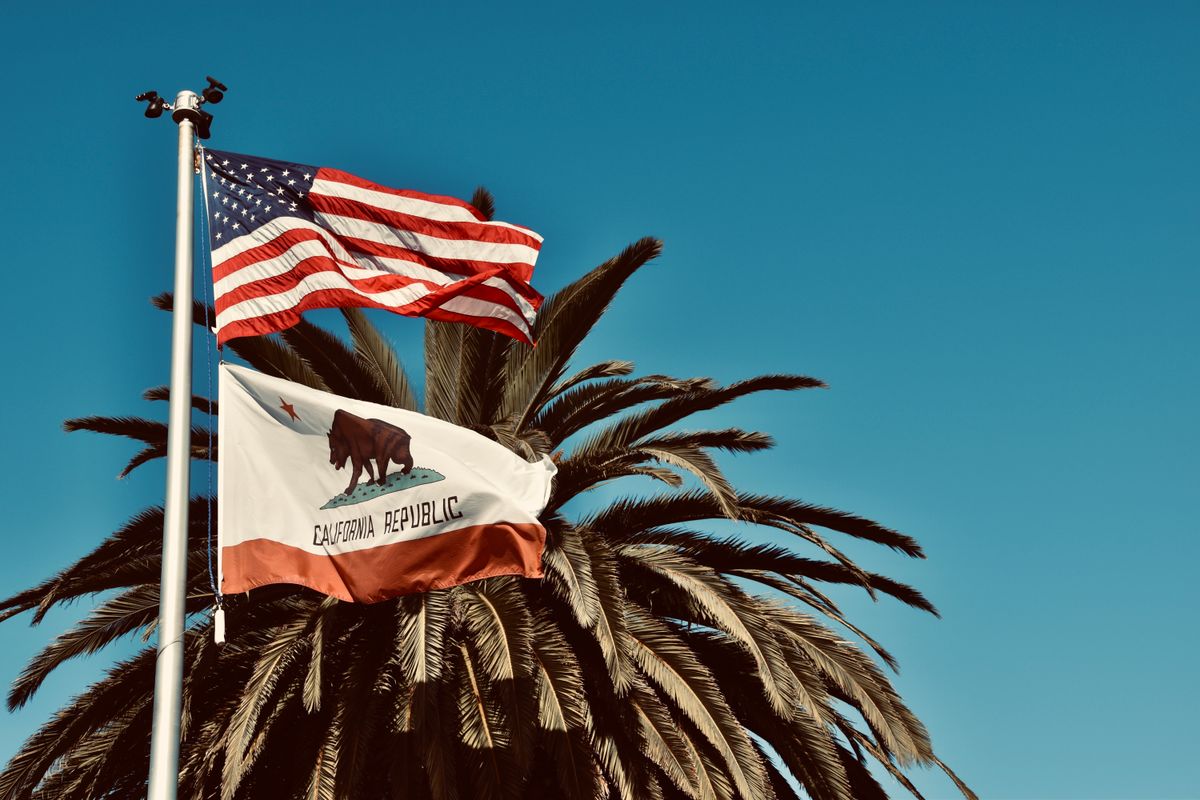
AB 1127 focuses mostly on future commercial sales.
Starting July 1, 2026, licensed dealers will generally be barred from selling or transferring covered pistols unless an exception applies. The law includes exceptions for certain existing inventory, private-party transfers handled through licensed dealers, repairs, returns from temporary storage, law enforcement, and other official uses.
That distinction matters. The law does not automatically make current owners criminals for possessing firearms they already legally own.
Still, the backlash has been intense.
Gun rights advocates argue that cutting off future sales of popular models is a major restriction, even without confiscation. Dealers worry about inventory, compliance, and confused customers. Owners worry that California is creating a new model for broader firearm restrictions.
For many gun owners, the fear is not only what the law says now. It is what they believe could come next.
Why Glocks Became the Target
Glock pistols are popular because they are durable, simple, widely available, and commonly used by civilians and law enforcement.
That popularity is part of what makes this law so controversial.
California lawmakers say certain Glock-style pistols can be targeted by criminals using illegal converter devices that turn semiautomatic pistols into weapons capable of automatic fire. Supporters argue the state cannot ignore that risk.
Gun control advocates see the law as a targeted response to a modern public safety problem. In their view, firearm makers should not be allowed to keep selling designs that can be easily exploited with illegal parts.
Gun rights groups see it very differently.
They argue that automatic weapons and conversion devices are already illegal under state and federal law. To them, the law blames a lawful firearm design for criminal misuse. They say ordinary buyers, licensed dealers, and responsible owners are being forced to pay the price for people who already break the law.
That is the heart of the dispute.
Is California regulating a dangerous design risk, or is it using criminal behavior as a reason to block lawful sales?
Gun Owners Fear a Slippery Slope
For California gun owners, AB 1127 lands inside a much longer history.
California already has some of the strictest gun laws in the United States. The state regulates assault weapons, magazine capacity, handgun rosters, ammunition purchases, waiting periods, background checks, and firearm safety requirements.
This new law adds another layer.
Even if it applies only to certain pistols, critics fear it could open the door to more design-based restrictions. Today, they say, the concern is Glock-style pistols. Tomorrow, lawmakers could apply similar logic to other semiautomatic firearms.
That is why the phrase “Glock ban” has gained traction. It turns a complicated legal definition into a simple political warning.
Supporters reject that framing. They say the law is narrow, specific, and aimed at preventing illegal machine-gun-style conversions.
But in politics, perception matters.
Right now, many gun owners see the law as another sign that California is moving steadily toward fewer legal firearm options.
Dealers Could Feel the Pressure First
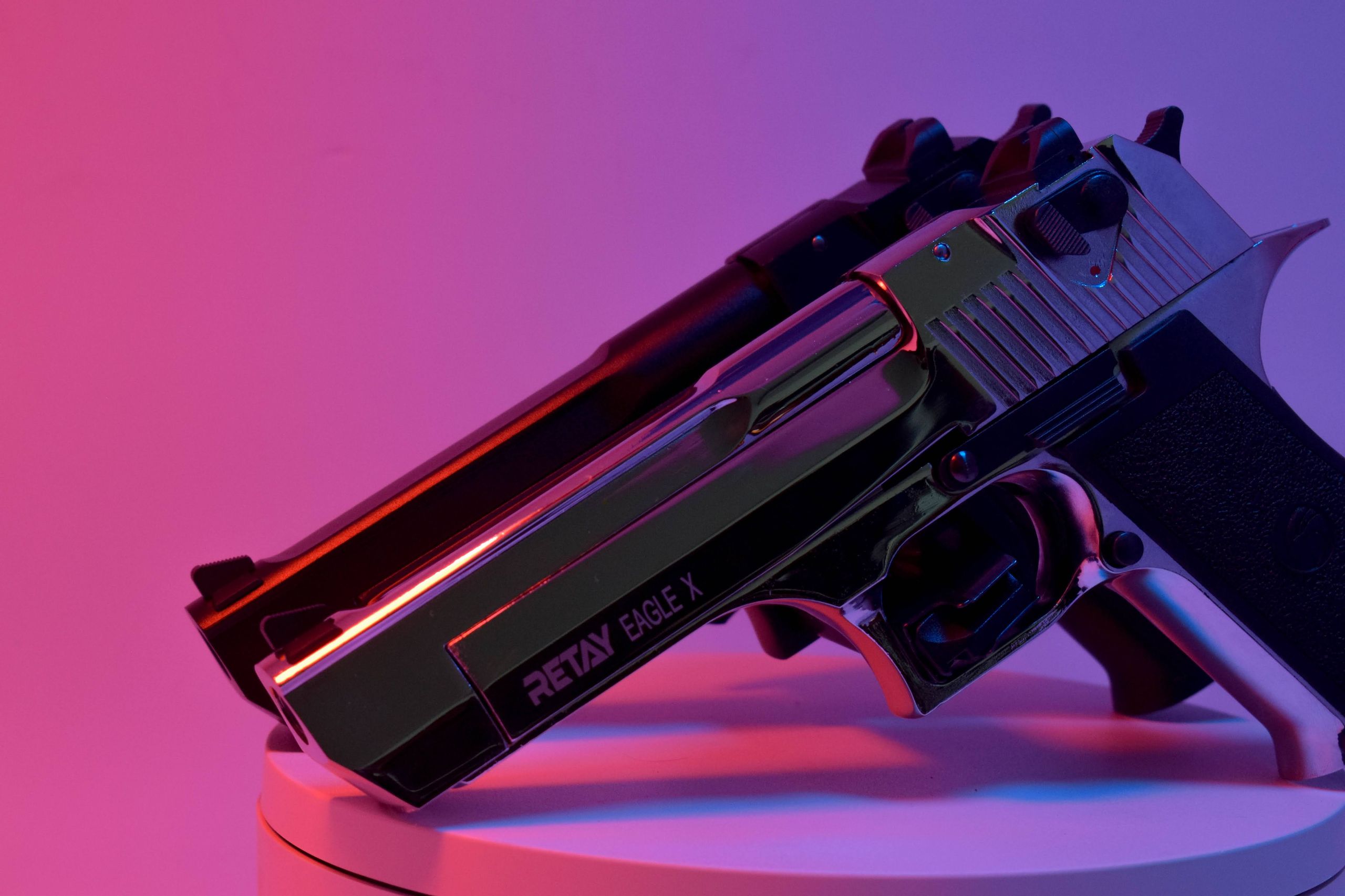
Gun dealers may be among the first to deal with the practical fallout.
They will need to know which pistols are covered, manage existing inventory, explain the new rules to customers, and avoid violations that could bring penalties or threaten their licenses.
That is a serious burden for small shops.
Large retailers may have compliance teams and more financial flexibility. Smaller dealers often operate on thinner margins. Losing access to popular models can quickly hurt revenue.
Customers may also arrive expecting to buy a familiar handgun, only to learn that the rules have changed.
That makes the law more than just a gun-rights story. It is also a business story.
California says it is trying to reduce the spread of illegally converted weapons. Dealers say they are the ones being asked to carry the cost of that policy.
The Court Fight Could Shape What Comes Next
The legal battle is already underway.
The NRA has challenged the law, arguing that California is restricting lawful firearms because of illegal conduct that is already prohibited. The lawsuit could become part of the broader national fight over how far states can go in regulating commonly owned guns.
California is expected to defend the measure as a public safety law focused on commercial sales and conversion risks.
The courts will have to weigh a major question: does the state have the authority to restrict dealer sales of firearms it considers unusually easy to convert, or does that burden the right of law-abiding citizens to buy common handguns?
The answer could matter far beyond California.
If the law survives, other states may view it as a model. If it is blocked, gun rights groups may gain another important victory against design-based firearm restrictions.
Why This Fight Matters Beyond California
California often shapes national policy debates. What begins in Sacramento can spread to other states, especially on issues involving guns, climate rules, labor standards, and consumer protections.
That is why the Glock crackdown is being watched so closely.
Gun control supporters want to know whether states can pressure manufacturers to redesign firearms they believe pose public safety risks. Gun rights advocates want to stop that approach before it spreads.
For California gun owners, the immediate question is practical: what can still be bought, sold, transferred, or repaired after July 1, 2026?
For the rest of the country, the bigger question is whether this becomes the next frontier of gun regulation.
California says the law is about stopping dangerous illegal conversions. Critics say it is a backdoor ban on some of the most popular handguns in America.
Both sides understand the stakes.
The law may begin with Glock-style pistols, but the argument is much larger. It is about public safety, constitutional rights, trust in government, and whether one state can reshape the future of handgun sales across the country.