The first state that could reverse marijuana legalization laws
Massachusetts is at the center of a political debate that could reshape how Americans view marijuana legalization itself. A new push by anti-cannabis activists is seeking to put a repeal referendum on the ballot, opening the door for voters to potentially undo recreational marijuana legalization nearly a decade after the state first approved it in 2016.
If successful, Massachusetts would not just be revisiting its cannabis laws. It would become the first state in the nation to fully reverse recreational legalization after implementation, marking an unprecedented turn in a policy movement that has, until now, moved in only one direction.
A referendum that could make history
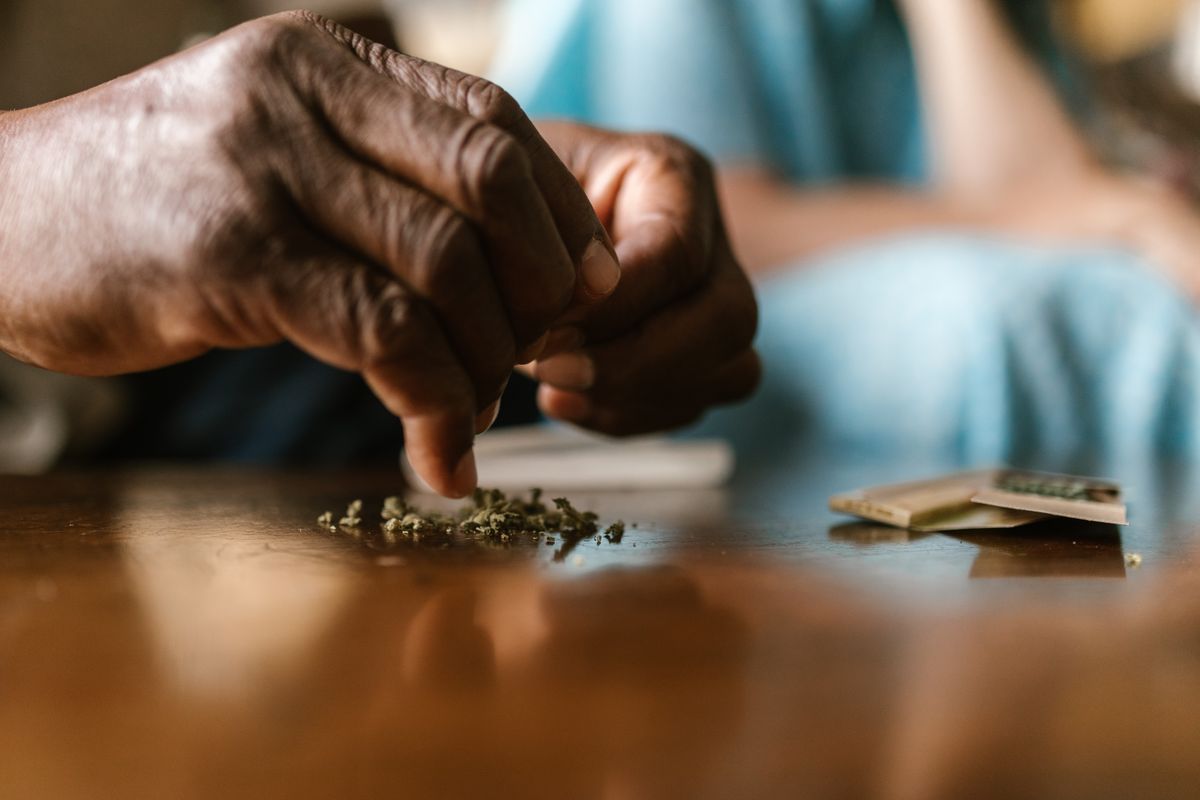
The effort underway in Massachusetts is being driven by a signature campaign aimed at forcing a statewide vote on whether to repeal recreational marijuana legalization. Rather than a legislative change, the issue would return directly to voters, creating a rare second referendum on a policy that has already been in place for years. Massachusetts originally legalized recreational cannabis in 2016, joining the early wave of states that embraced regulated adult-use marijuana.
At the time, the move was framed around personal freedom, criminal justice reform, and new tax opportunities. Now, nearly ten years later, activists are arguing that the reality of legalization looks different than what voters may have envisioned. If the referendum reaches the ballot and passes, it would represent the first rollback of its kind in U.S. history.
Supporters warn of economic and market disruption.
The marijuana industry in Massachusetts has grown into a structured and heavily regulated market that now includes dispensaries, distribution networks, packaging companies, and state tax revenue streams. For supporters of legalization, that system represents both economic stability and a key policy achievement. Industry-backed groups warn that a repeal would not simply change the law but could dismantle an entire economic ecosystem.
Tax revenue from cannabis sales has become part of state budgeting, while businesses have invested heavily in compliance, retail space, and staffing. Supporters also argue that reversing legalization would not eliminate demand. Instead, they warn it could push consumers back toward unregulated or illicit markets, removing oversight and reducing consumer safety protections that legalization was designed to create.
Opponents raise concerns over potency, youth use, and safety.
Opponents of legalization say the past several years have revealed unintended consequences that were not fully anticipated when voters approved cannabis in 2016. One of the central concerns is the increased potency of modern cannabis products. Critics argue that today’s concentrates, edibles, and vape products are significantly stronger than earlier forms, changing both usage patterns and public health implications.
They also point to concerns about increased cannabis use among young people, as well as what they describe as greater visibility and normalization of marijuana in everyday life. Road safety is another major point of contention, with opponents citing concerns about impaired driving and the challenges of enforcement in a legal but regulated environment. For critics, the issue is not just legalization itself, but how quickly the cannabis market has expanded into daily life.
A policy cycle the U.S. has never tested before
What makes Massachusetts especially significant is that it may be revealing a broader cycle in cannabis policy that other states have not yet confronted. Legalization typically follows a predictable path: voter approval, rapid market expansion, and normalization of retail access. Over time, however, public debate often shifts toward unintended consequences, including public health concerns, regulation gaps, and changes in community norms.
Massachusetts now appears to be entering a stage where that second wave of reflection is turning into active political resistance. If voters ultimately choose repeal, it would suggest that legalization is not a one-way policy shift but a reversible experiment shaped by evolving public opinion.
A national precedent with wider implications
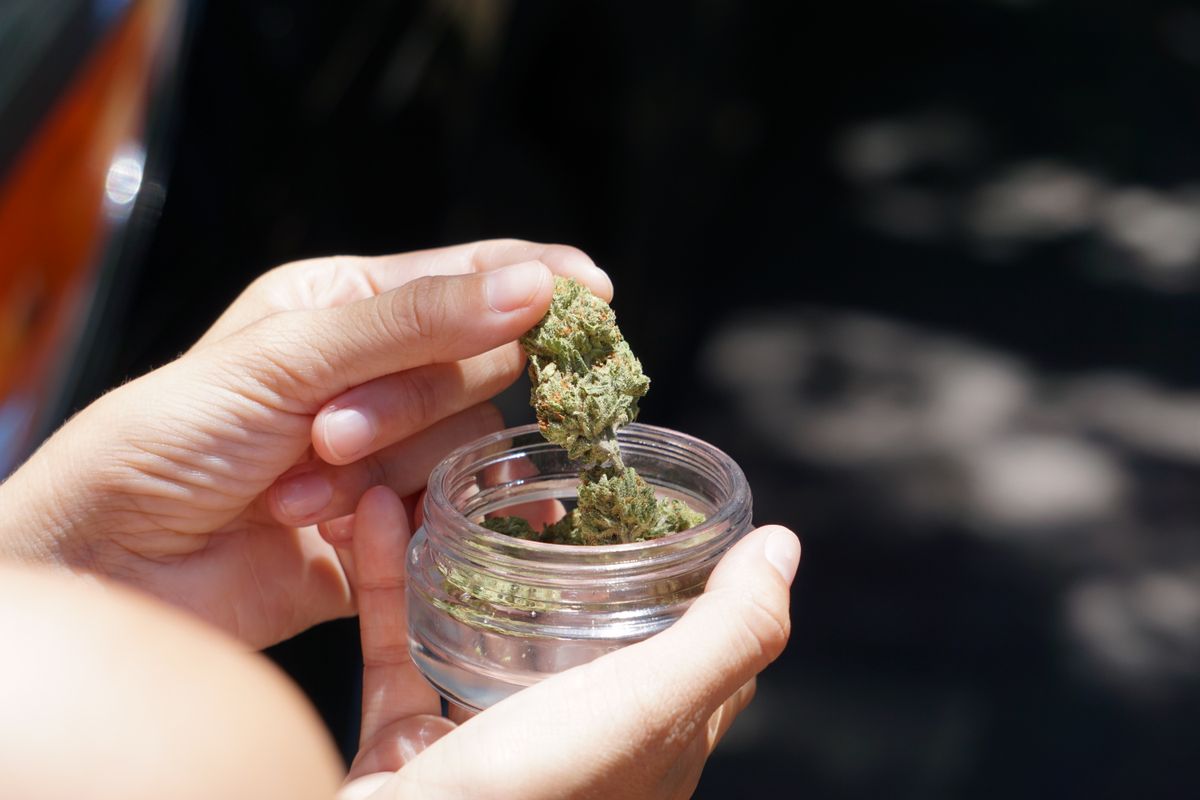
Because no U.S. state has ever rolled back recreational marijuana legalization, the Massachusetts referendum is being closely watched beyond its borders. Even the possibility of repeal introduces uncertainty into what has largely been a stable national expansion of cannabis laws.
Other states considering new legalization measures may begin factoring in long-term political durability, not just initial voter approval. For policymakers and industry stakeholders, the Massachusetts vote represents more than a local decision. It is a stress test for whether cannabis legalization, once implemented, can be sustained against shifting public sentiment years later.
A turning point in America’s legalization era
For now, recreational marijuana remains legal in Massachusetts, and the industry continues to operate under existing regulations. But the political momentum behind the repeal effort has introduced a new layer of uncertainty into a policy landscape that has remained largely expansionary for over a decade.
Whether the referendum succeeds or fails, Massachusetts has already become something more than a legalization state. It has become the first real test of whether America’s cannabis experiment can move in reverse.