Trump’s $1.4B Crypto Surge Reshapes His Wealth Story and Washington’s Ethics Debate
Donald Trump’s 2025 financial disclosure has pushed one number to the center of U.S. political debate: more than $1.4 billion in cryptocurrency-related income. It is a figure that signals not just personal wealth expansion but a deeper shift in how political power and digital finance now intersect at the highest level of government.
The disclosure shows that crypto is no longer a side activity in Trump’s business empire. It has become a primary engine of income growth, overtaking parts of his traditional real estate and branding portfolio that once defined his financial identity.
A $1.4 Billion Crypto Breakdown That Redefines Political Wealth
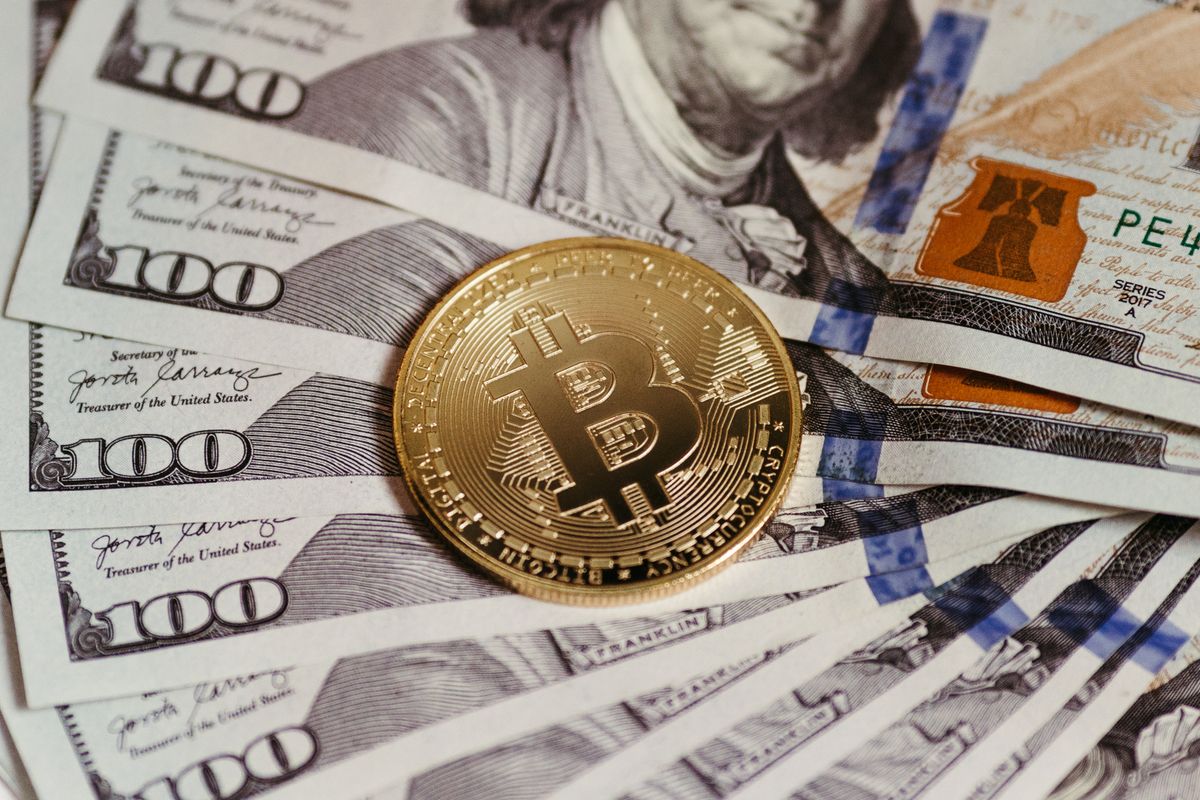
Trump’s reported crypto earnings for 2025 are not the result of a single transaction, but a combination of several major revenue streams that together form a billion-dollar digital portfolio.
One of the largest contributors is World Liberty Financial, which generated at least $500 million in reported income, according to filings and related reporting. The venture is closely tied to Trump and his family, making it one of the most politically visible crypto-linked businesses in the United States.
Another major source of income came from the $TRUMP meme coin, which reportedly produced around $635 million in sales revenue. Unlike traditional financial assets, meme coins are driven by speculation, branding, and online engagement, making their valuation highly sensitive to public sentiment and political visibility.
Together, these streams contribute more than $1.4 billion in crypto-related earnings, placing digital assets at the center of Trump’s modern wealth structure.
World Liberty Financial and the Expansion of a Political Brand into Crypto Markets
World Liberty Financial has become a defining piece of Trump’s crypto strategy, blending political branding with decentralized finance.
The venture reportedly generated hundreds of millions of dollars in token-based revenue, with more than $500 million tied directly to sales and restructuring activity across its digital asset portfolio. Its performance places it among the most financially significant politically associated crypto ventures in recent years.
What makes the company especially notable is not only its revenue scale, but its identity structure. It operates in a space where brand recognition, investor enthusiasm, and political association are tightly interwoven, creating a business model that depends as much on perception as on traditional financial fundamentals.
This fusion of politics and crypto finance has turned World Liberty Financial into a focal point for both supporters and critics, each interpreting its success through very different lenses.
The $TRUMP Meme Coin and the Monetization of Political Identity
The reported $635 million in revenue from the $TRUMP meme coin highlights a new frontier in political branding where identity itself becomes a tradable asset.
Meme coins differ from traditional investments because their value is largely driven by attention cycles, social media momentum, and community speculation rather than earnings or physical assets. In this case, the Trump name functions as both the brand and the market catalyst.
That dynamic creates a financial environment where political identity is directly linked to speculative trading activity. Supporters see participation as symbolic alignment, while critics see it as a system that blurs the boundaries between political engagement and financial speculation.
The scale of the revenue underscores how powerful that dynamic has become, with hundreds of millions of dollars flowing through a token directly tied to a sitting U.S. president’s brand ecosystem.
Crypto Policy Shifts and the Growing Debate Over Influence
Trump’s crypto earnings are unfolding alongside a broader policy shift that has reshaped U.S. digital asset regulation.
Since returning to office, his administration has promoted a more industry-friendly approach to cryptocurrency. This includes reduced enforcement actions, regulatory restructuring, and the introduction of frameworks such as the GENIUS Act, which established federal standards for stablecoins and reinforced compliance requirements like full asset backing and anti-money-laundering safeguards.
Supporters argue that these changes provide clarity and stability to an industry that has long operated in regulatory uncertainty. Critics, however, argue that the timing raises questions about potential alignment between policy direction and personal financial exposure.
When a president earns more than $1.4 billion from an industry undergoing active regulatory reform, the debate naturally shifts from innovation to influence, and from market growth to governance ethics.
Political Scrutiny Intensifies Around Foreign Investment Questions
The financial disclosures have also triggered renewed political scrutiny in Congress, particularly around foreign-linked investment activity in crypto ventures associated with Trump’s family.
Lawmakers have raised concerns about whether overseas investors in Trump-linked crypto projects could gain indirect influence through financial participation. These concerns have led to calls for formal hearings and deeper transparency around investment flows.
The issue becomes more sensitive when viewed alongside broader geopolitical considerations, including defense contracts, technology agreements, and international financial partnerships involving U.S. allies and strategic partners.
While no wrongdoing has been proven, the overlap among foreign investment, political branding, and regulatory authority has created a politically charged environment in which questions of trust and transparency dominate the discussion.
A Net Worth Surge Driven by Digital Assets
Trump’s overall financial position has also shifted dramatically.
Estimates based on recent disclosures suggest his net worth has risen from approximately $2.4 billion to around $6 billion, marking a multi-billion-dollar increase in a relatively short period.
A significant portion of this growth is linked to cryptocurrency-related ventures, highlighting how quickly digital assets can scale compared with traditional business models such as real estate and licensing.
Unlike physical assets, crypto holdings can experience rapid valuation changes driven by market sentiment, trading volume, and brand-driven speculation. In Trump’s case, this volatility has translated into accelerated wealth expansion during his return to office.
A Structural Shift in How Political Wealth Is Created
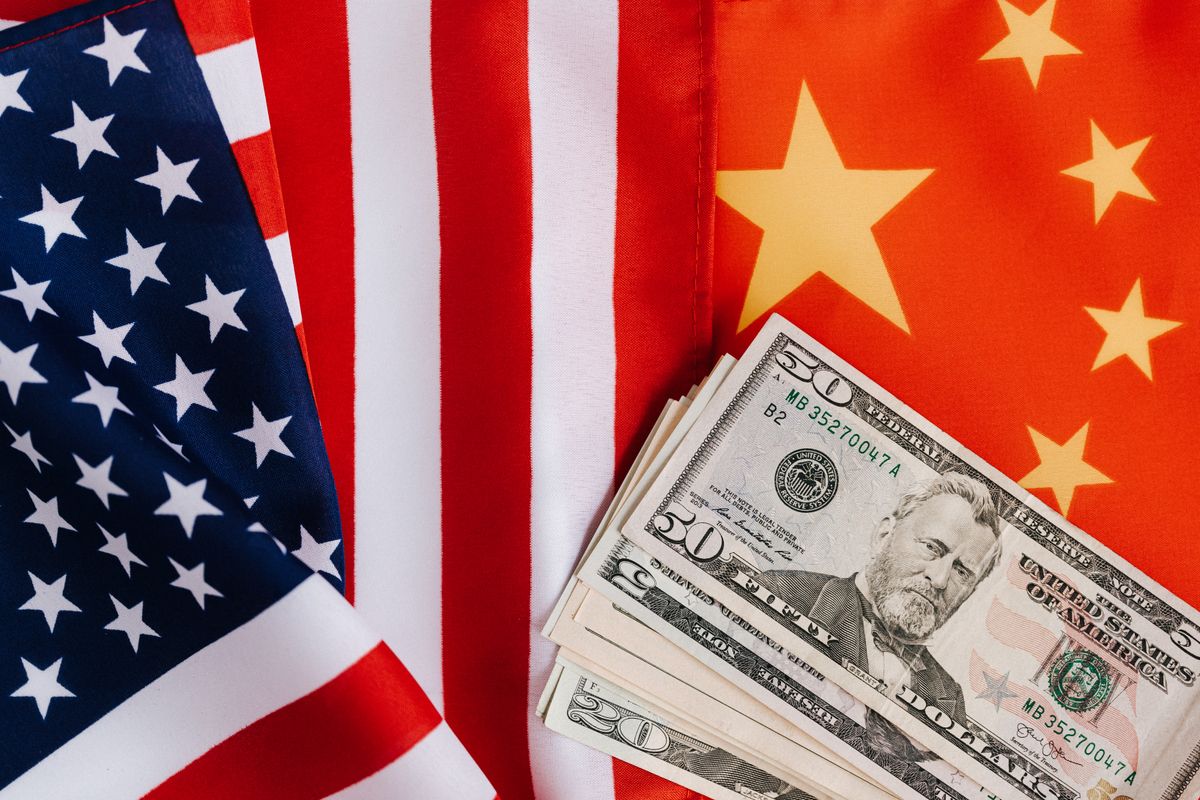
What emerges from these figures is a clear shift in how political influence and financial power now intersect. With more than $1.4 billion in crypto-related income, the scale alone signals that digital assets have moved from the margins of finance into the center of political wealth creation. The combination of $635 million from meme coin activity and over $500 million tied to World Liberty Financial shows how both speculative branding and structured crypto ventures are now operating as parallel engines of value.
At the same time, the estimated rise toward a $6 billion net worth highlights how quickly wealth can accelerate when political visibility meets volatile digital markets. This is no longer just about traditional business expansion; it reflects a system where attention, identity, and policy proximity can directly shape financial outcomes.
Taken together, these developments point to a new model of political economy in which visibility itself becomes monetizable. In this environment, influence is not only exercised through governance but increasingly converted into financial momentum at a scale that reshapes how power and profit interact.
What This Means Going Forward
The disclosure has shifted the conversation from speculation to documentation. With $1.4 billion in reported crypto income, the focus now turns to oversight, transparency, and the evolving relationship between political authority and digital finance.
The central question is no longer whether crypto is part of modern politics. It clearly is.
The question now is how large that role is allowed to become before it fundamentally changes the expectations of public office itself.