Epstein Probe Escalates After Leon Black Walkout
Black, the Apollo Global Management co-founder who once sat among Wall Street’s most influential dealmakers, appeared voluntarily before the House Oversight Committee but left after refusing to answer questions about nondisclosure agreements. Lawmakers responded by issuing two subpoenas within hours, escalating the inquiry from voluntary testimony to compelled, sworn deposition proceedings.
A Billionaire Walkout That Triggered Immediate Congressional Action
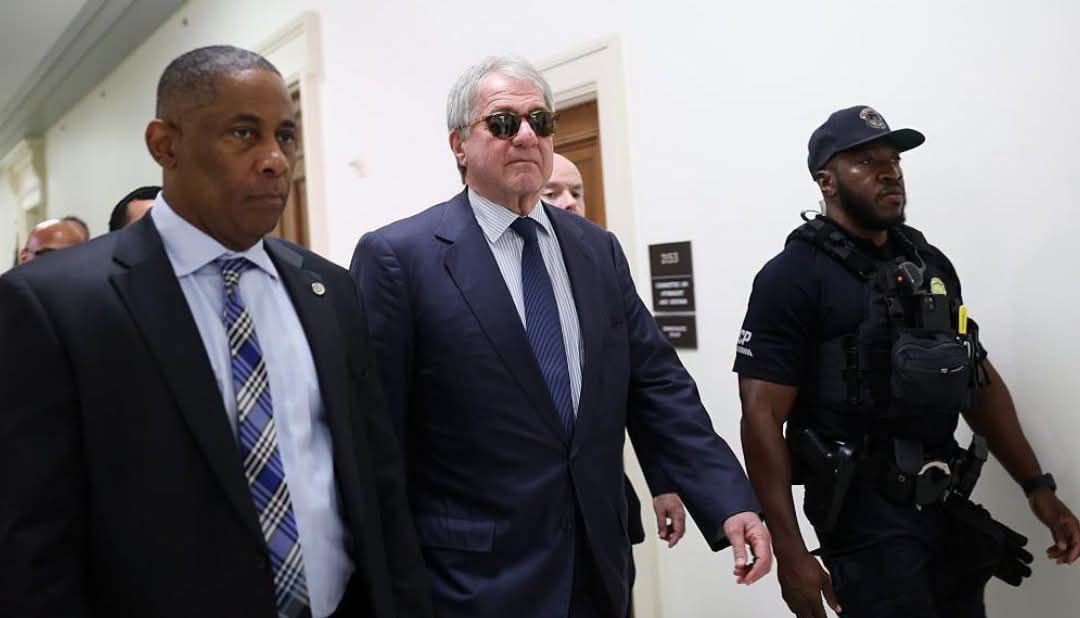
In a matter of 1 hearing, 1 walkout, and 2 subpoenas, the tone of the investigation shifted sharply. Black’s departure came during questioning that lawmakers say centered on NDAs tied to women and Epstein-related financial arrangements. Committee officials say his refusal to engage on that topic effectively ended the voluntary session.
Within the same day, the Oversight Committee moved to compel production of NDA documents and ordered Black to appear again under oath on July 16, 2026, turning a private interview into a legally binding confrontation with Congress.
$158 Million in Epstein Payments Now Under a New Lens
At the heart of the case is a staggering financial footprint: $158 million in payments Black made to Epstein between 2012 and 2017, according to prior independent reviews. Those payments were previously characterized as compensation for tax, estate, and family office advisory services.
But lawmakers are now widening the scope. Instead of focusing only on financial services, investigators are asking whether those payments overlapped directly or indirectly with personal disputes, confidentiality agreements, or arrangements involving women connected to Epstein’s network.
That shift has turned what was once a financial-services explanation into a broader question about influence, secrecy, and accountability.
NDAs Become the Flashpoint in a Growing Political Investigation

The most explosive turning point in the hearing came when questioning shifted to nondisclosure agreements (NDAs), private legal contracts often used in settlements or confidential disputes.
Black’s attorneys say Epstein had zero involvement in any NDAs, but lawmakers are pressing a different angle: whether Epstein influenced, coordinated, or facilitated any agreements tied to women or personal disputes during his long association with Black.
In a probe that has already spanned multiple years, NDAs have now become the symbolic dividing line between financial advisory work and the potential concealment of sensitive allegations.
From Apollo Exit to Congressional Scrutiny: A 5-Year Backstory Resurfaces
Black’s connection to Epstein has long been under scrutiny. He stepped down from Apollo Global Management in 2021, following internal and external reviews into his financial relationship with Epstein. Those reviews concluded Epstein provided legitimate financial services, but the association itself became reputationally damaging.
Now, 5 years later, that past is back under the spotlight, not just through financial records but through testimony, emails, and settlement structures that lawmakers believe may hold unanswered questions.
Senate Findings Add Another Layer of Pressure
The House investigation is not operating alone. A parallel Senate Finance inquiry previously estimated Epstein-related payments tied to Black could total around $170 million, slightly higher than earlier figures, intensifying questions about the scale and purpose of the financial relationship.
That discrepancy between $158 million and $170 million has become more than a rounding difference. It now represents competing interpretations of what the payments actually covered and whether additional transactions remain undisclosed.
A Legal Defense Built on “Legitimate Services” and Denials
Black’s legal team continues to maintain a firm position: the payments were legitimate, Epstein acted as a financial adviser, and no NDAs involved Epstein in any capacity.
Black himself has repeatedly denied wrongdoing, including allegations of abuse or trafficking involvement. He has also said he was unaware of Epstein’s criminal conduct until 2019, when Epstein faced federal charges.
Still, lawmakers argue that awareness alone is no longer the central issue; the focus has shifted to documentation, confidentiality agreements, and the structure of private settlements.
What Happens Next: A High-Stakes Deposition in 10 Days
The next major turning point arrives in just 10 days, when Black is scheduled for a subpoenaed deposition on July 16, 2026.
Unlike the earlier voluntary session, this appearance will carry legal weight, requiring sworn testimony and production of requested documents. For investigators, it represents a chance to test competing narratives: financial advisory services versus alleged involvement in private settlement structures.
For Black, it is a moment where silence is no longer an option and where every answer will be under oath.
Bottom Line
In under 24 hours, a closed-door interview turned into a subpoena showdown, pulling a billionaire financier back into one of the most closely watched investigations tied to Jeffrey Epstein.
With $158M in payments, 2 subpoenas issued, 1 scheduled deposition, and 1 central question about NDAs, the case has moved beyond financial history into a deeper inquiry about secrecy, settlements, and the boundaries of Epstein’s influence.
The coming testimony may determine whether this remains a financial-services dispute or becomes something far more consequential.