Chili’s Isn’t Just Losing Some Customers. It May Be Losing Their Memories.
A restaurant does not lose a loyal customer the moment it changes a sauce, removes a dessert, or tweaks a chicken tender. It loses them slowly. First, the favorite item is different. Then the bill feels a little heavier. Then the server seems rushed. Then the food arrives, looking familiar but tasting like a stranger. And finally, the customer who once came every week looks across the table and realizes something uncomfortable: the place is still called Chili’s, but the version they loved may already be gone.
That is what makes the latest wave of complaints around Chili’s more interesting than another round of internet grumbling. This is not just about chicken crispers, burgers, fajitas, ribs, queso, or chili disappearing from the menu. It is about what happens when a comeback restaurant starts winning new customers while some of its old ones feel quietly pushed out of the booth.
To understand why the backlash feels so personal, we need to look at the nostalgia behind Chili’s loyal customers, the menu changes that triggered frustration, the value debate, and the bigger question of whether the chain’s comeback is costing it the identity people once loved.
The Real Chili’s Debate Is Not About Food. It Is About Familiarity.
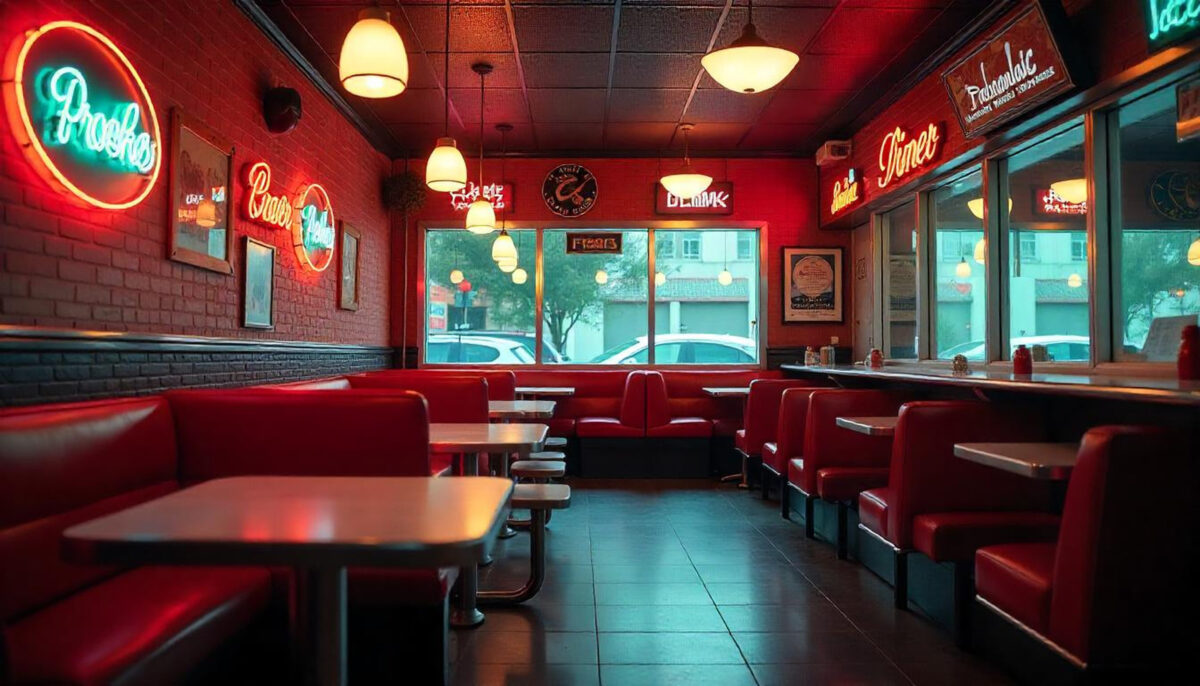
People love to say restaurants are about taste. That is only partly true. For regular customers, restaurants are about memory. They are about the table where a family always sat after church. The chips and salsa arrived before anyone looked at the menu. The Chicken Crispers are something someone ordered for years without thinking. The molten dessert a child expected at the end of the meal. The fajitas that came sizzling loudly enough to make the next table turn its head. That is why menu changes can feel surprisingly emotional. A restaurant may see an item as a product. A customer may see it as part of their personal history.
When Chili’s changes a beloved item, removes an old favorite, or shifts its identity toward viral value deals, it may be making smart business decisions. But to a loyal diner, it can feel like the restaurant has edited their memories without permission. That is the part many brands underestimate. A discontinued item is not always just a missing meal. Sometimes it is the broken bridge between who a customer was and where they once felt at home.
Chili’s Comeback Has Created Two Different Restaurants
Right now, there are really two versions of Chili’s living inside the same brand. The first is Chili’s comeback. This is the Chili’s of bold value deals, fast-food comparisons, social media attention, big burgers, crispy chicken sandwiches, and marketing that says, “Why settle for less when you can sit down and get more?” This version is confident. It is loud. It knows the economy is squeezing diners, and it knows people are tired of paying drive-thru prices for smaller meals. It is speaking directly to customers who want a deal that feels like a win. Then there is the memory of Chili’s.
This is the Chili’s some longtime customers still carry in their heads. It is slower, warmer, and more familiar. It is built around the old menu rhythms, the old flavors, the old go-to orders, and the comfort of knowing exactly what the meal would taste like before it arrived.
The conflict is not that one version is good and the other is bad. The conflict is that both groups believe they are discussing the same restaurant. They are not. New customers may see Chili’s as a bargain. Former regulars may see it as a place that traded its soul for a sharper sales pitch.
When “Value” Stops Feeling Valuable

Chili’s has made value one of its strongest weapons. That makes sense. Diners are tired of being shocked by food prices. Casual dining chains have to prove they are worth leaving the house for. But value is not just the number on the menu. Value is the feeling after the meal.
A customer can spend $10.99 and still feel cheated if the food tastes worse than expected. Another customer can spend more and leave happy because the meal delivered comfort, consistency, and a good memory. That is why the Chili’s complaints matter. Some customers are not only saying that the prices are too high. They are saying the experience no longer earns the price. There is a difference.
A high bill can be forgiven after a great meal. A small bill can still sting after disappointment. For the loyal customers saying “never again,” the frustration seems to come from a deeper calculation. They are not simply asking, “Was this affordable?” They are asking, “Was this still worth coming back for?” For some, the answer has changed.
The Chicken Crispers Became a Symbol
Every restaurant has one or two items that carry more meaning than the company may realize. For Chili’s, the Original Chicken Crispers became one of those items. To outsiders, the anger may seem dramatic. After all, chicken tenders are everywhere. Nearly every chain has some version of battered or breaded chicken on the menu. But that is exactly the point.
Fans of the older Chicken Crispers did not want something that tasted like everybody else’s chicken. They wanted Chili’s chicken. They wanted the texture, the batter, the memory, and the little ritual of ordering the same familiar plate again and again. When a beloved menu item gets replaced by something that feels more generic, the complaint is not really, “The chicken changed.” The complaint is, “You took away one of the things that made this place feel different.”
That is dangerous territory for any chain. Once customers believe a restaurant has become interchangeable, loyalty starts to break.
The Most Dangerous Customer Is the Disappointed Regular
A first-time customer who dislikes a meal may never return, but their emotional investment is low. A regular is different. A regular has history. A regular has expectations. A regular has defended the brand before. A regular has brought friends, family, dates, coworkers, and children. A regular does not just buy meals. A regular builds habits. So when a regular finally says they are done, that is not a casual complaint. It is a breakup. And like many breakups, the final argument is rarely the whole story.
It may sound like the customer is angry over a dessert, a sandwich, a steak, a bowl of chili, or a changed chicken recipe. But usually, the real issue is accumulation. One disappointing visit becomes two. One missing item becomes several. One bad bill becomes a pattern. One changed menu becomes a feeling that the restaurant no longer cares about what longtime customers loved.
By the time someone writes “never again,” the decision may have been building for months.
Chili’s Should Not Ignore the People Who Remember the Old Version
Chili’s does not have to go backward to keep longtime fans. No restaurant can survive by freezing itself in the past. Menus need to evolve. Costs change. Labor changes. Customer tastes change. A brand that refuses to adapt becomes a museum with appetizers. But there is a difference between modernizing a restaurant and making loyal customers feel like their memories are being cleared off the table.
Chili’s can attract new diners while still protecting emotional anchors. It can promote value deals and still keep signature items sacred. It can compete with fast food and still feel like a casual dining restaurant with its own identity. That balance is the real test. Because a comeback built only on attention can fade. A comeback built on loyalty can last.