
Conagra’s Sales Slump Puts Dividend Safety in the Spotlight as Slim Jim and Duncan Hines Parent Faces a Cash-Flow Test
A warning light is blinking in the middle of the grocery store. Not in a luxury aisle. Not in a corner of the economy that most families can ignore. It is blinking near the frozen dinners, cake mixes, canned goods, popcorn, meat snacks, and whipped toppings that millions of shoppers toss into carts without thinking too hard about the companies behind them.
Conagra Brands, the parent company behind Slim Jim, Duncan Hines, Birds Eye, Healthy Choice, Marie Callender’s, Reddi-wip and other familiar names, is suddenly telling a bigger story about American shopping habits. The company’s latest quarter showed declining reported sales, lower adjusted profit, and tighter cash flow, even as some parts of the business continued to grow. That mix is what makes this story so interesting. Conagra is not disappearing from shelves. Shoppers are not rejecting every brand. The company is not saying its dividend has been cut. But the numbers show something more uncomfortable: the old grocery-store safety net is not as safe as it used to be.
Here are some reasons Conagra’s latest sales slump is putting dividend safety, cash flow, grocery pricing, and brand loyalty under sharper scrutiny.
The Snack Aisle Is Becoming a Stress Test
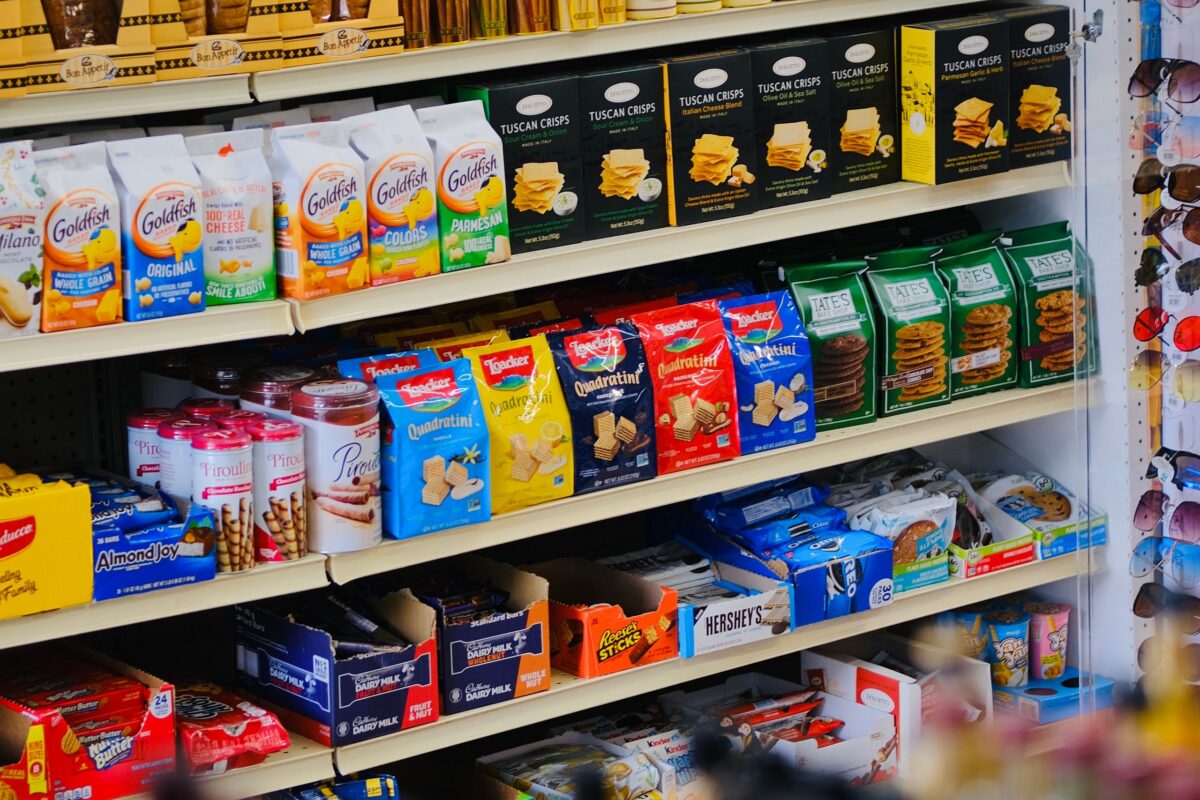
Slim Jim is not just a snack. Duncan Hines is not just cake mix. Healthy Choice is not just a frozen meal. These products sit inside everyday American routines. A gas-station stop. A school-night dinner. A birthday cake made fast. A freezer meal after a long shift. A can of whipped topping pulled out when dessert needs saving.
That is why Conagra’s latest results matter beyond investors. When companies built on convenience start feeling pressure, it says something about how hard consumers are thinking before they buy.
Conagra reported a 1.9% drop in quarterly revenue to $2.79 billion, while organic sales rose 2.4%. The company’s adjusted earnings per share came in at $0.39, and its annual profit forecast was trimmed to the bottom of its earlier $1.70 to $1.85 per-share range.
That is the grocery economy in one sentence: the brands are still moving, but profit is harder to hold on to.
This Is Not a Simple “Bad Sales” Story
The easy version of this story would be that Conagra’s sales fell and investors got nervous. The real version is more layered. Reported sales fell because of business changes, including divestitures. Organic sales rose, meaning the core business performed better than the headline number suggests. That gives Conagra a defense: the company can argue that shoppers are not simply walking away from its brands. But there is another side to that argument.
Organic growth does not mean everything is healthy. It can come from price increases, better product mix, or actual volume growth. Those details matter because a food company can raise prices for only so long before shoppers start switching brands, waiting for discounts, or buying private label. That is the pressure point now. Americans are still buying groceries, but they are shopping with sharper eyes.
They are checking shelf tags. They are comparing store brands. They are skipping extras. They are deciding whether a familiar label is still worth the premium.
The Frozen Aisle Gave Conagra Some Hope
The strongest part of Conagra’s quarter came from refrigerated and frozen foods. That is important because frozen food has become a quiet battleground in the modern grocery store. Families want cheaper meals than restaurants, but they also want convenience. Frozen dinners, frozen vegetables, and ready-to-heat options can fit that moment.
Conagra’s frozen and refrigerated segment helped lift organic performance, with growth supported by improved supply and better volume trends. That gives the company a path forward if it can keep shoppers loyal in categories where convenience still matters. But one bright aisle cannot fix every shelf.
The grocery and snacks side remains tougher. Snacks can be powerful brands, but they are also easy for households to cut back on when budgets tighten. A family may still buy dinner ingredients. It may not buy every snack, baking mix, or treat at full price. That is where Conagra’s challenge becomes real.
Inflation Is Still Eating Into the Food Business
The biggest villain in this story is not just weaker demand. It is costly. Conagra has been dealing with elevated input costs, packaging pressure, and commodity volatility. Reuters reported that the company expected cost-of-goods inflation of about 7% in fiscal 2026, with tariffs and animal protein costs among the pressures. That number matters because food companies live in the gap between what it costs to make the product and what shoppers are willing to pay.
If costs rise, Conagra can raise prices. But higher prices can push shoppers away. If Conagra holds prices down, margins suffer. If it runs more promotions, sales may improve, but profit can shrink. That is the trap packaged-food companies are facing across the country. They sell products people know, but they cannot force shoppers to absorb endless price increases.
The Dividend Is Still Standing, But Investors Are Watching
Conagra has not announced a dividend cut. That needs to be said clearly because the fear around the company is about pressure, not an official cut. The board approved a quarterly dividend of $0.35 per share, payable June 3, 2026, to shareholders of record as of April 30, 2026. The company also said it has paid consecutive quarterly dividends since January 1976. That history matters. Nearly 50 years of quarterly dividend payments give the payout emotional and financial weight for income investors. But history does not pay the next dividend. Cash does.
Conagra’s cash-flow picture is why the conversation has become louder. The company’s year-to-date free cash flow fell sharply compared with the prior year, while dividend payments remained a major use of cash. That does not make a cut automatic. It does make the dividend harder to ignore.
A Familiar Brand Can Still Lose the Price War
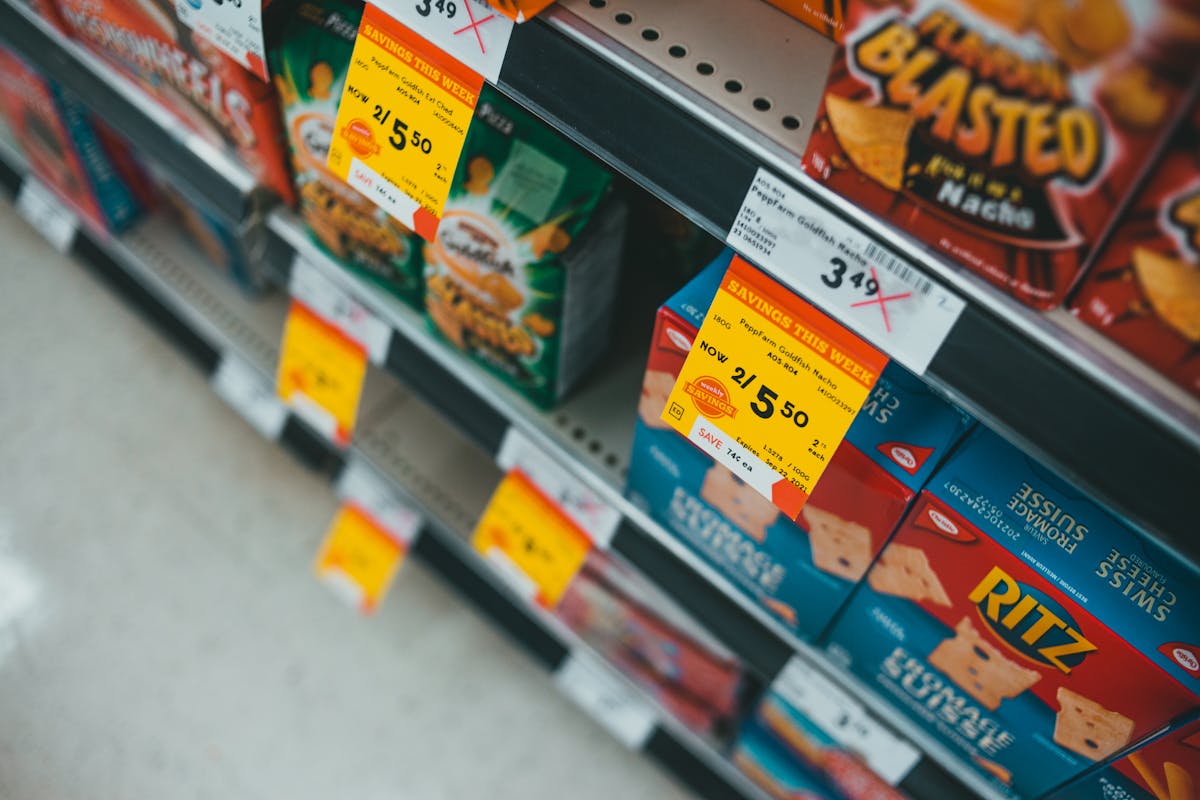
This is the uncomfortable lesson from Conagra’s quarter: a famous brand is not a magic shield. Shoppers may recognize Duncan Hines. They may know Slim Jim. They may trust Birds Eye or Healthy Choice. But recognition does not always beat price.
Private-label groceries have become more competitive. Discount grocers have trained shoppers to compare. Big retailers have made store brands look less like cheap substitutes and more like smart choices. That changes the psychology of the cart.
A shopper who once bought the same brand out of habit may now ask a simple question: is this worth the extra dollar?
When millions of households ask that question at the same time, even major food companies feel it.


