Americans Are Working More but Feeling Poorer as Paychecks Lose Ground to Prices, Debt, and Exhaustion
The American worker is showing up, clocking in, taking extra shifts, juggling side jobs, answering emails after hours, and still asking the same uneasy question at the end of the month: Where did the money go? Across the country, millions of households are caught in a painful contradiction. Employment remains steady enough to keep people working, wages are still rising on paper, and yet everyday life feels more expensive, more fragile, and less rewarding than it did only a few years ago. The result is a national mood that is difficult to ignore: Americans are working more but feeling poorer.
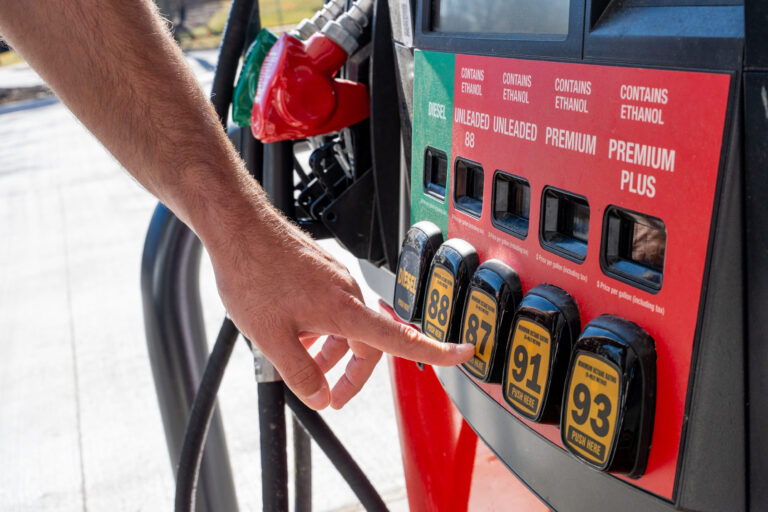
This is not simply a story about paychecks. It is a story about the widening gap between what people earn and what life now costs. We see it at the grocery store, in rent notices, at the gas pump, in insurance bills, and in the quiet panic of credit card balances that refuse to shrink. The economy may look functional in a spreadsheet, but for many working families, the lived experience feels like running faster on a treadmill that keeps getting steeper.
The Paycheck Looks Bigger, but It Buys Less

For many workers, the most frustrating part of this economy is that their wages may technically be higher than before. Promotions, raises, overtime, and job changes have helped some Americans bring in more income. But higher income does not automatically mean higher financial security. When prices rise faster than wages, the paycheck becomes an illusion: bigger in numbers, weaker in power.
Recent federal data reflects this reality. Real average hourly earnings have declined when adjusted for inflation, meaning that even as workers earn more dollars, those dollars stretch less. In practical terms, Americans are spending more time working but still losing ground after accounting for rising costs. This disconnect explains why so many people feel confused by the economy. A worker can earn more and still afford less food, less housing, and fewer comforts. That gap between official income growth and personal financial pressure is where much of today’s anxiety lives.
Inflation Has Changed the Meaning of “Comfortable”
The word comfortable no longer means what it once did. A few years ago, a stable job and manageable bills might have signaled financial health. Today, that same household may face higher rent, more expensive groceries, and rising insurance premiums, erasing any sense of stability.
Inflation continues to reshape daily life. Families do not experience inflation as a percentage—they feel it in everyday purchases. A grocery trip costs noticeably more. Utility bills fluctuate unpredictably. Routine expenses like gas or school supplies now require careful budgeting. These changes force difficult choices. Households must decide which bills to prioritize, what to delay, and what to cut entirely. Even small increases across multiple categories add up, creating a constant sense of financial pressure.
The New Working Class Squeeze Is Coming From Every Direction
The financial squeeze is not limited to one expense. It is arriving from every side at once. Housing remains one of the biggest pressures. Renters face rising lease costs, while homeowners deal with higher mortgage rates, insurance premiums, and maintenance expenses.
Transportation is another major burden. Car payments, insurance, repairs, and fuel costs have turned basic mobility into a significant expense. In many parts of the country, owning a car is essential, leaving workers with little choice but to absorb these rising costs. Healthcare adds another layer of strain. Even insured families face deductibles, prescription costs, and unexpected bills. A single medical expense can disrupt months of careful budgeting, pushing households into financial instability.
Household Debt Shows How Americans Are Surviving the Gap
When paychecks fall short, many families turn to borrowing. Credit cards, personal loans, and financing options help cover immediate needs but create long-term financial pressure. Debt becomes a bridge between income and expenses, but it is a costly one.
Total household debt in the United States continues to rise, reflecting how widespread this coping strategy has become. Mortgage balances dominate, but credit card and auto loan debt are also growing. Delinquency rates remain manageable overall, but they signal underlying stress. This debt-driven survival strategy reveals a deeper truth: consumer spending is not always a sign of confidence. Often, it reflects necessity. People continue to spend because they must meet basic needs, even if it means borrowing.
Why Working More No Longer Feels Like Getting Ahead
For generations, the American promise was simple: work hard, earn more, and build stability. Today, that promise feels increasingly out of reach. Many Americans describe life as a cycle of earning, paying, borrowing, and repeating.
Side hustles and second jobs have become common. While some pursue extra work to build savings, many do so just to stay current on bills. Gig work, freelance projects, and weekend shifts provide temporary relief but often lead to exhaustion. That exhaustion carries real consequences. It affects health, relationships, and overall well-being. Workers may appear stable on paper, but the constant pressure takes a toll that economic data does not fully capture.
Consumer Confidence Reflects Growing Unease
Employment numbers may suggest stability, but consumer sentiment tells a more cautious story. Many Americans feel uncertain about the future, even if they are currently employed. Concerns about rising costs, job security, and debt influence how people spend and save.
This uncertainty leads to more cautious behavior. Households cut back on discretionary spending, delay major purchases, and focus on essential expenses. The result is a national mood defined by caution rather than confidence.
Emergency Savings Remain Too Thin
One of the clearest signs of financial stress is the lack of savings. Many households can manage regular expenses but struggle to handle unexpected costs. Without a financial cushion, even minor emergencies can create significant hardship.
Surveys show that while a majority of Americans report doing okay, fewer feel truly secure. Emergency savings remain limited for many, leaving households vulnerable to disruptions such as job loss, medical bills, or major repairs. This lack of resilience highlights the fragility of the current financial landscape. Stability depends not just on income, but on the ability to absorb shocks—and many families lack that buffer.
The Real Crisis Is the Disappearing Margin
At the heart of this issue is the disappearance of financial margin—the money left after covering essential expenses. This margin once allowed families to save, invest, and plan for the future. Today, it is shrinking or disappearing entirely.
Every raise is quickly absorbed by higher costs. Bonuses go toward overdue bills. Tax refunds fill financial gaps rather than building savings. Without margin, households operate in a constant state of catch-up. This is why the economy can appear strong from a distance while feeling punishing up close. The numbers may show growth, but the lived experience tells a different story.
Why This Story Is Not Going Away
Americans are not simply reacting to higher prices. They are responding to a deeper shift in economic reality. Work still matters, but it no longer guarantees comfort or security. A job does not ensure progress, and a raise does not guarantee relief.
This is the core of today’s frustration. People are working harder, earning more, and yet feeling increasingly stretched. Until wages regain real purchasing power and financial stability becomes attainable again, this tension will persist. For now, many Americans continue to push forward, balancing work, debt, and rising costs. But the underlying question remains unresolved: if working more no longer makes one feel secure, what does it take to get ahead?