Vermont’s New Penny Per Can Law Could Change What Shoppers Pay for Soda
A penny does not sound like much until it starts following every can in the cooler, every bottle in the case, every six-pack in the cart, and every truckload headed to a store shelf. That is the bigger story behind Vermont’s new “penny per can” law. On the surface, it looks like a small recycling update. Behind the counter, it is a fight over who pays for America’s mountain of empty soda cans, beer bottles, plastic drink containers, and sticky returns piling up at redemption centers.
Vermont’s H.915 became Act 158, a beverage-container law tied to an extended producer responsibility program. The state’s official bill page identifies it as “an act relating to establishing an extended producer responsibility program for beverage containers.” This is not just about soda. It is about the cost of convenience.
Here are some ways one small fee could ripple through checkout lanes, recycling centers, beverage companies, and household budgets.
The “Penny Per Can” Is Not Exactly a New Soda Tax

The phrase makes it sound like shoppers are being hit with a brand-new-penny charge every time they buy a Coke, Pepsi, Sprite, Mountain Dew, seltzer, energy drink, or beer. That is not quite what is happening.
The change raises the handling fee inside Vermont’s bottle-return system. In simple terms, the fee helps pay retailers and redemption centers for the work of accepting, sorting, storing, and moving empty containers after customers return them.
That matters because a bottle deposit and a handling fee are not the same thing. A deposit is the refundable money a shopper can get back after returning a bottle or can. A handling fee is the payment that helps the redemption system function behind the scenes. The National Conference of State Legislatures explains that bottle bills use deposit-refund systems to reduce litter and recover beverage containers for recycling.
So the headline number is small, but the system behind it is not. Vermont is not simply asking shoppers for another penny at the register. It is asking the beverage industry to invest more in the recycling pipeline.
One Penny Gets Much Bigger When It Touches Millions of Containers
A penny feels harmless when it is sitting in a cup holder. It looks very different when it is multiplied across every container sold statewide.
A 12-pack does not create one recycling obligation. It creates 12. A 24-pack creates 24. A convenience store cooler creates hundreds. A distributor’s truck creates thousands. A statewide beverage market creates millions. That is why beverage makers and distributors pay close attention to laws like this. The cost is not dramatic on a single can, but it becomes real when multiplied by volume.
For families, the effect may show up quietly. One soda may not cost noticeably more tomorrow. But over time, businesses can respond to higher costs by offering smaller discounts, reducing promotions, maintaining tighter margins, or slightly raising shelf prices. That is the hidden power of a penny. It rarely announces itself. It just becomes part of the price.
Redemption Centers May Be the Real Winners
The most overlooked characters in this story are not soda companies or shoppers. They are the redemption centers doing the messy work most people never see. Every returned container has to be accepted, counted, sorted, bagged, stored, shipped, and accounted for. Workers deal with leaking bottles, crushed cans, broken glass, long lines, storage limits, sanitation headaches, and machines that do not always cooperate.
A higher handling fee gives those centers more room to survive. That matters because a bottle bill only works if people actually have places to return containers. When redemption centers close or reduce hours, consumers lose convenience. When consumers lose convenience, fewer containers come back. When fewer containers come back, the whole recycling promise weakens.
So while the public sees “penny per can,” redemption workers may see something else: a small financial lifeline in a system that has become more expensive to run.
The Law Could Push Soda Companies to Rethink Packaging
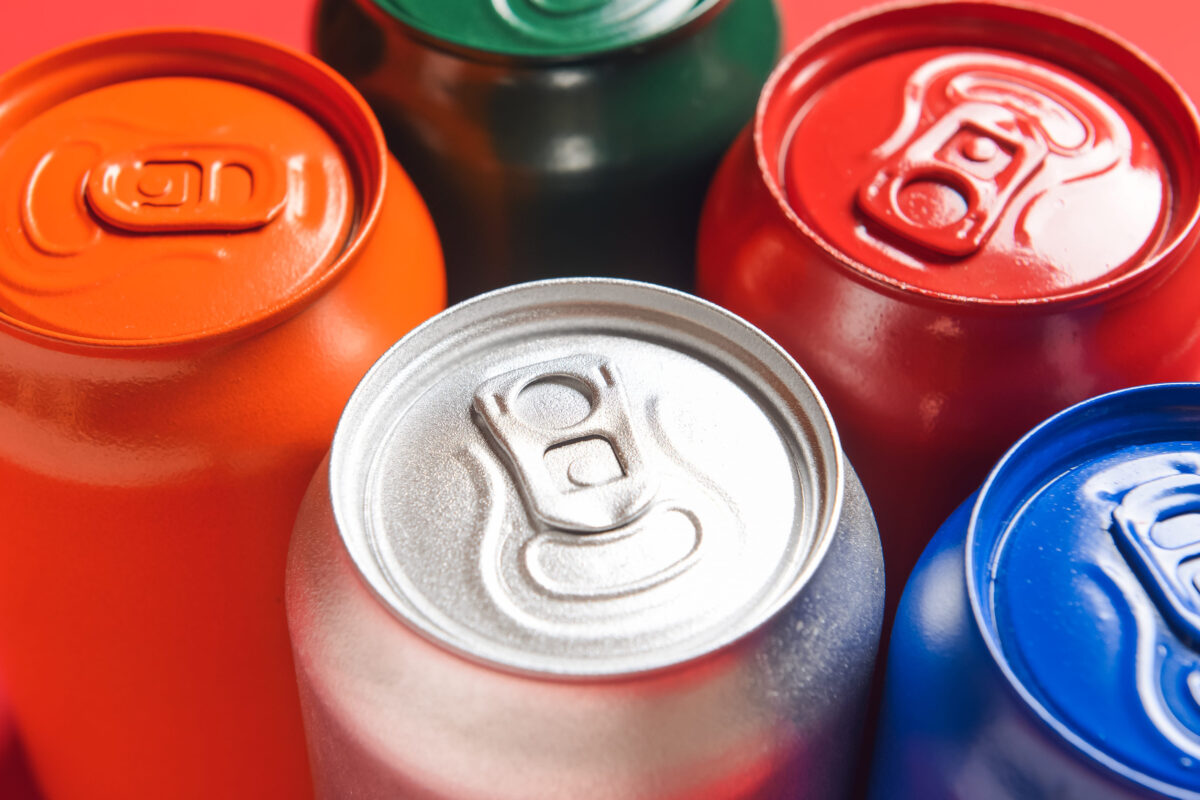
The most interesting part of Vermont’s new law is not just the fee increase. It is the larger move toward producer responsibility.
Extended producer responsibility means companies are expected to take greater responsibility for the packaging they put on the market. Instead of selling cans and bottles and leaving the public system to handle the aftermath, producers become more directly tied to what happens after the drink is finished.
Vermont’s Act 158 is specifically connected to a beverage-container stewardship plan timeline, with the state posting implementation materials for the law. This could eventually influence packaging choices. Beverage companies may pay closer attention to container types, labels, sorting systems, and return logistics. A bottle or can is no longer just a marketing tool. It becomes a compliance cost, a recycling obligation, and a long-term business calculation. In other words, the container itself is becoming part of the bill.
The Biggest Impact May Be Felt by Small Stores
Large chains can often absorb new compliance costs better than small businesses. They have bigger teams, better systems, larger storage areas, and more negotiating power. Small stores live closer to the edge.
For a small grocer, gas station, corner market, or independent retailer, beverage returns can be a headache. They take up space. They require staff time. They can create odor and cleanliness issues. They bring customers in for refunds, but not always for purchases.
If the updated fee gives redemption sites and retailers better compensation, it could help. But if the system becomes more complicated, small businesses may still feel squeezed. That is where the Vermont law becomes more than an environmental story. It becomes a Main Street story. The people who sell the drinks may also be expected to help manage what comes back after the drinks are gone.
Connecticut Shows What Can Go Wrong When Bottle Bills Get Messy
Vermont is not the only state wrestling with beverage-container policy. Connecticut has shown how quickly a bottle-return system can become a cross-border problem.
Connecticut’s higher bottle deposit created concerns about people bringing in containers from other states to collect a bigger refund. CT Insider reported that lawmakers considered penalties of up to $2,000 for repeat violations connected to out-of-state redemption abuse. That example matters because bottle bills are state laws, but consumers and containers move across state lines. If one state’s rules are more generous than a neighboring state’s, people may try to take advantage.
The lesson for Vermont is clear: recycling laws need more than good intentions. They need strong design, clear enforcement, fair payments, and practical rules that do not overwhelm workers or invite fraud. A bottle bill can clean up litter. It can also create chaos if the math does not work.
This Is Really a Fight Over Who Pays for “Free” Recycling
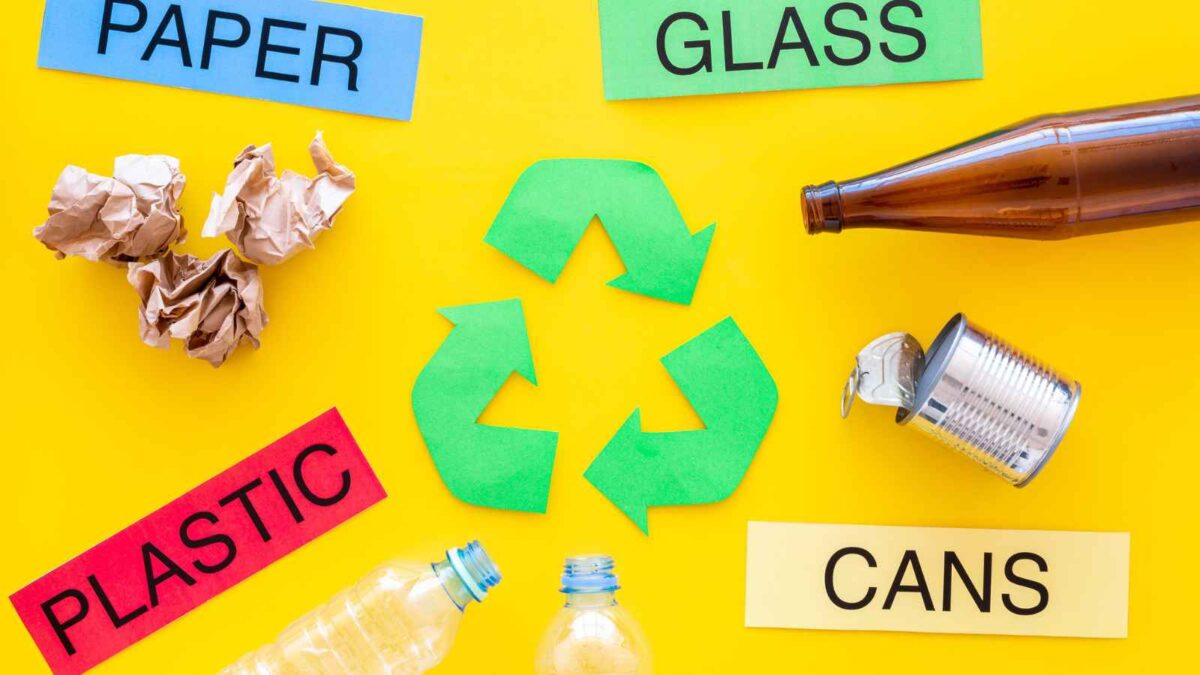
The most compelling part of this story is not the penny. It is the question behind the penny. Who should pay for the empty can after the soda is gone?
Should it be the shopper, through higher prices or deposits? Should it be the beverage company, through producer fees? Should it be the retailer, through labor and storage? Should it be local government, through public waste systems? Or should the cost be spread across everyone who benefits from convenient packaged drinks? That is the debate Vermont has stepped into.
EPA data show why the stakes are bigger than one state. In 2018, the recycling rate was 50.4% for aluminum beer and soft drink cans, 39.6% for glass beer and soft drink bottles, and 29.1% for PET plastic bottles and jars. Those numbers reveal the uncomfortable truth. America uses a massive amount of recyclable beverage packaging, but too much of it still fails to return to the recycling stream.
Vermont’s law is one attempt to close that gap by requiring the people who profit from packaged beverages to pay more into the system that handles empties.