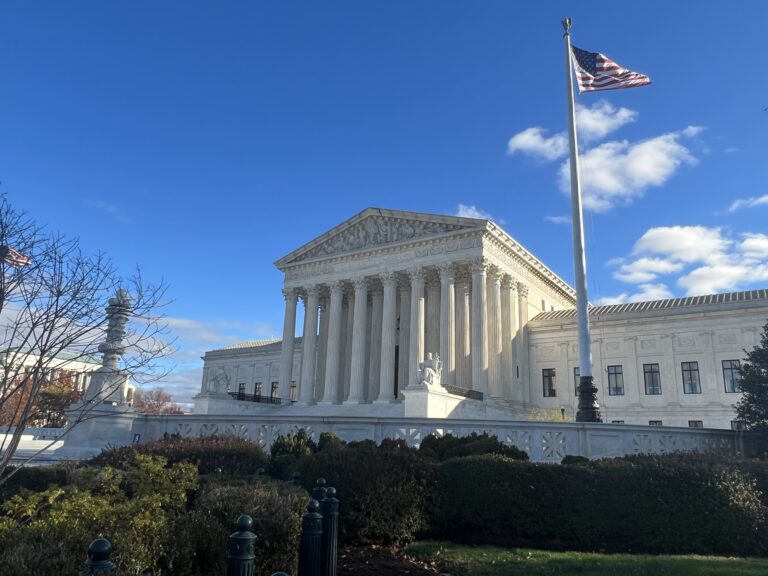
Mike Johnson Caught Off Guard as Supreme Court Rejects Trump’s Birthright Citizenship Push
The reaction was brief, but the political damage was immediate. House Speaker Mike Johnson appeared visibly stunned when he learned during a Capitol Hill press conference that the Supreme Court had rejected one of President Donald Trump’s biggest immigration goals: limiting birthright citizenship in the United States. As reporters delivered the news in real time, Johnson reportedly paused, shook his head, and responded with a frustrated “Oh dear” before saying he needed time to review the decision.
The moment quickly became a symbol of a much larger setback for Trump’s immigration agenda. After months of pushing for a major change to how citizenship is granted at birth, the administration faced a constitutional barrier that even a conservative-leaning Supreme Court was unwilling to cross. The ruling not only frustrated Trump allies in Washington but also reignited one of America’s longest-running debates over immigration, constitutional rights, and presidential power.
Supreme Court Rejects Trump’s Attempt to Restrict Birthright Citizenship
The Supreme Court’s decision delivered a major defeat to Trump’s executive order seeking to limit automatic citizenship for certain children born in the United States. The administration argued that children born to parents who were not U.S. citizens or lawful permanent residents should not automatically receive American citizenship. Trump’s supporters described the policy as an attempt to address what they considered weaknesses in the immigration system, including concerns about illegal immigration and so called “birth tourism.”
However, opponents argued that the executive order violated the 14th Amendment’s Citizenship Clause, which states that people born in the United States and subject to its jurisdiction are citizens. The Supreme Court ultimately rejected Trump’s approach, ruling that the president could not change a constitutional guarantee through executive action alone. The decision represented a significant legal and political loss for the administration because birthright citizenship has been recognized for more than a century as one of the nation’s most established citizenship protections.
Mike Johnson’s Reaction Revealed Republican Frustration
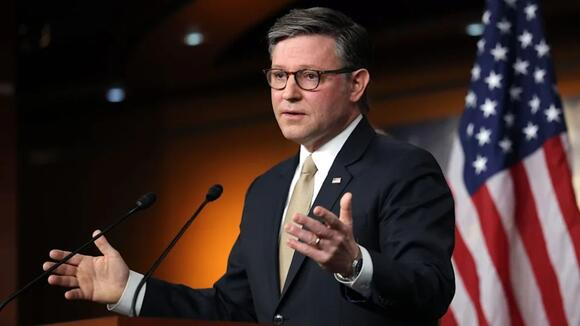
Johnson’s reaction became one of the most talked-about moments following the ruling because it showed the immediate disappointment among some Trump allies. The House Speaker had been discussing constitutional interpretation when he received the news. Instead of celebrating what many conservatives hoped would become a historic legal victory, Johnson was forced to respond to a ruling that blocked a major Republican policy objective. His brief reaction reflected the difficult position facing Republican leaders. Many conservatives have argued for years that birthright citizenship has been misused and should be reconsidered.
However, the Supreme Court’s decision showed the limits of executive authority when constitutional protections are involved. Johnson later suggested that the issue was more complicated than a simple policy disagreement. He argued that birthright citizenship had been “grossly abused,” but acknowledged that the Court’s ruling would require careful analysis. The moment highlighted a reality facing Republicans: winning elections does not always guarantee the ability to achieve every major policy goal.
Why Birthright Citizenship Became a Major Political Battle
Birthright citizenship has been one of the most controversial immigration issues in American politics for decades. Supporters argue that the policy provides clarity and prevents government officials from deciding citizenship based on political preferences. They point to the 14th Amendment, which was adopted after the Civil War to ensure citizenship rights, particularly for formerly enslaved people and their descendants. Critics argue that the policy creates incentives for illegal immigration and allows people without legal status to establish a permanent connection to the United States through their children.
The debate became a central part of Trump’s immigration platform because he repeatedly promised stricter border enforcement and major changes to immigration rules. For Trump and his supporters, changing birthright citizenship represented a broader effort to redefine America’s immigration system. For opponents, the attempt represented an unconstitutional expansion of presidential power.
The 14th Amendment Became the Center of the Legal Fight.
At the heart of the case was the interpretation of the 14th Amendment, which has shaped American citizenship law for generations. The Citizenship Clause was designed to establish who qualifies as an American citizen after birth. Legal experts argued that changing this interpretation would require more than an executive order because constitutional amendments cannot be rewritten by a president alone.
The Supreme Court’s decision reinforced that argument, making clear that presidential authority has limits with respect to constitutional rights. The ruling also created a difficult political reality for Trump allies. Even if they continue pushing for changes, they may face significant legal obstacles. Any attempt to alter birthright citizenship would likely require either a constitutional amendment or a major shift in Supreme Court interpretation. Neither option would be simple.
Democrats Celebrate Ruling as a Victory for Constitutional Rights
While Republicans expressed disappointment, Democratic leaders welcomed the decision. Democrats argued that the ruling protected one of America’s most important constitutional guarantees and prevented a president from changing citizenship rules without congressional approval or a constitutional amendment. House Minority Leader Hakeem Jeffries praised the decision, saying it reaffirmed the principle that people born in America are American citizens.
Senate Minority Leader Chuck Schumer also celebrated the ruling, arguing that the Supreme Court had protected a fundamental part of American identity. For Democrats, the decision represented a victory against what they described as presidential overreach. They argued that allowing a president to redefine citizenship through executive action could create dangerous consequences for future administrations.
Trump Faces Pressure After Legal Defeat
The Supreme Court ruling placed Trump in a difficult position. The president had made immigration reform one of the central promises of his political movement. A victory on birthright citizenship would have represented one of the most dramatic changes to immigration policy in modern American history. Instead, the ruling forced the administration to reconsider its next steps.
Trump responded by calling on Congress to take action, suggesting lawmakers could address the issue through legislation. However, the path forward remains complicated. If courts view birthright citizenship as a constitutional protection, Congress may not have the power to eliminate it through ordinary legislation. That leaves Trump allies facing a major challenge: how to achieve a policy goal that the Supreme Court has now placed behind a constitutional barrier.
The Ruling Could Reshape Future Immigration Battles
Although the Supreme Court’s decision focused specifically on birthright citizenship, its impact could extend into future immigration debates. The ruling reinforced a broader principle about presidential power: presidents have significant authority, but they cannot unilaterally rewrite constitutional protections. That message could influence future fights over immigration enforcement, executive orders, and the limits of presidential action.
For conservative lawmakers, the decision may increase pressure to pursue immigration changes through Congress rather than executive authority. For immigration advocates, the ruling provides reassurance that longstanding citizenship protections remain protected from sudden policy shifts.
Washington’s Next Fight Over Immigration Is Already Taking Shape
The birthright citizenship debate is unlikely to disappear. Trump supporters are expected to continue challenging immigration policies they believe encourage illegal entry into the country. Democrats are likely to use the ruling as evidence that constitutional protections must remain separate from political battles. Meanwhile, voters will continue to decide how they view the issue, as immigration remains one of the most important topics in American politics.
Johnson’s stunned reaction may have lasted only seconds, but the consequences of the Supreme Court decision could last for years. The ruling delivered a clear message to Washington: major changes to American citizenship cannot happen through executive action alone. For Trump and his allies, it was a frustrating reminder that even the strongest political movements must still confront the limits of the Constitution. For millions of Americans watching the debate, the decision became another defining moment in the ongoing battle over what it means to be a citizen of the United States.