Ro Khanna Says Armed Israeli Settlers Detained Him in West Bank, Raising New Questions About U.S. Policy
Rep. Ro Khanna’s visit to the occupied West Bank was intended to provide an unfiltered look at Palestinian life under Israeli occupation. Instead, the California Democrat says it placed him and his delegation inside the very system of armed control, restricted movement, and disputed authority that they had traveled to examine.
Khanna alleges that armed Israeli settlers surrounded his group near the Palestinian community of Khirbet Zanuta on July 8, blocked its vehicle, and prevented it from leaving. Members of the delegation say the settlers were masked and carrying M4 rifles that appeared to have been manufactured in the United States. An aide traveling with Khanna said the confrontation lasted more than an hour and ended only after appeals were made to the U.S. Embassy in Jerusalem and Israeli police intervened.
The Israeli military presents a different account. It acknowledges that Israeli civilians blocked vehicles carrying foreign nationals and members of the media, but denies that its soldiers participated in detaining or obstructing Khanna’s group. The military says troops were sent to the scene, dispersed the civilians, and reopened the road.
As we examine the competing accounts, the importance of this incident extends far beyond the temporary obstruction of an American lawmaker. It raises difficult questions about settler power in the West Bank, the conduct of Israeli security forces, the use of American-manufactured weapons and Washington’s willingness to demand accountability from one of its closest allies.
What Ro Khanna Says Happened Near Khirbet Zanuta
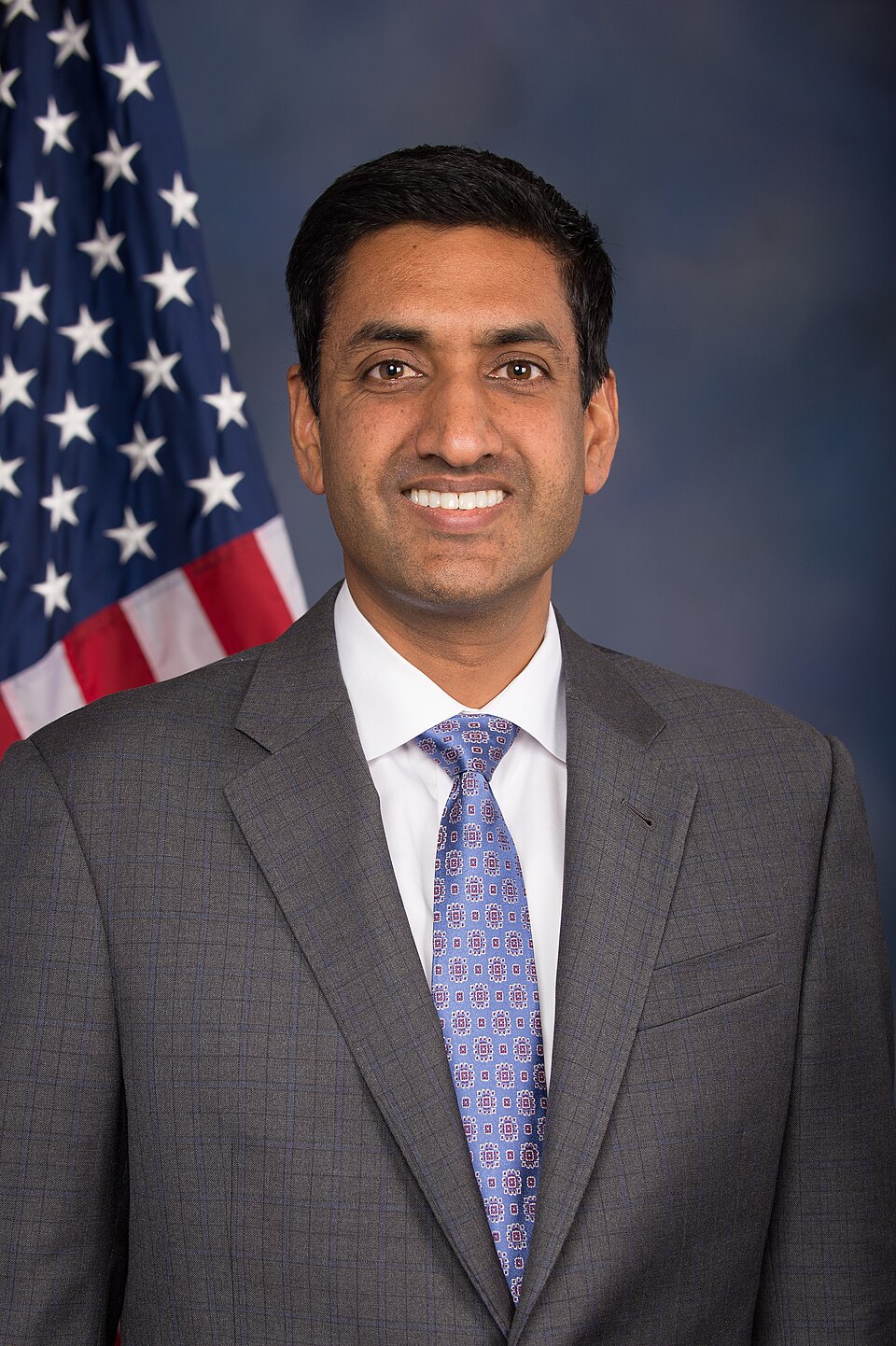
Khanna was completing a three-day tour of the West Bank organized around meetings with Palestinians. He said he deliberately chose programming that would expose him to Palestinian communities rather than give him a conventional diplomatic itinerary dominated by Israeli officials.
On Wednesday, his delegation traveled to Khirbet Zanuta, a small herding community south of Hebron. The village had been largely emptied after repeated settler attacks, threats and destruction drove families away in 2023. Khanna said his group was inspecting damage to homes, community buildings and a school when armed settlers appeared and blocked the road.
Cameron Kasky, an aide traveling with the congressman, said the group’s van was surrounded and prevented from moving for more than an hour. The delegation contacted American diplomatic personnel for help as the confrontation continued. Khanna later thanked David Brownstein of the U.S. Embassy for assisting the group.
Khanna said Israeli soldiers who arrived at the scene did not immediately protect the delegation or order the settlers to move. He described seeing soldiers interact comfortably with the armed men and said military personnel also appeared to restrict his group’s exit.
The congressman interpreted those interactions as evidence that the security forces were siding with the settlers. Israeli police eventually arrived and helped clear the obstruction, allowing the delegation to continue. Khanna condensed the broader meaning of the confrontation into a simple warning: “If this can happen to an American member of Congress, imagine what life is like for Palestinians.”
The Israeli Military Disputes Khanna’s Account
The Israel Defense Forces confirmed that a road was blocked near Khirbet Zanuta but rejected the accusation that soldiers detained the congressional delegation.
The military said it received a report that Israeli citizens were blocking foreign nationals and media workers. Troops were dispatched, the civilians were dispersed, and the road was reopened. It added that Israeli soldiers “did not take part in blocking the road.”
That response confirms several essential parts of the episode. Israeli civilians obstructed the road, foreign visitors were affected, and military personnel were called to the area. The dispute centers on what happened after soldiers arrived and how quickly they acted to protect the group’s freedom of movement.
Khanna says the soldiers initially reinforced the settlers’ control of the scene. The military says its troops ended the obstruction. Those positions cannot both fully describe the same sequence of events.
The incident was reportedly witnessed by a photographer accompanying the delegation, while several members of Khanna’s group have supported his description. No publicly released video has yet established the complete timeline or shown every interaction among the settlers, soldiers, police, and congressional visitors.
A transparent investigation would need to examine military body-camera footage, police recordings, telephone logs, photographs, diplomatic communications, and the identities of the armed settlers. Without that evidence, the public is left with an acknowledged road blockade and sharply conflicting descriptions of the authorities’ conduct.
Khanna Says the Experience Strengthened His Interest in 2028
The incident could also shape the early competition for the 2028 Democratic presidential nomination.
Khanna told Reuters that he was strongly considering a presidential campaign and felt more resolved after his trip. He said Democrats needed a new moral direction grounded in respect for human dignity and international human rights.
Foreign policy rarely determines an American presidential primary by itself. Economic conditions, healthcare, immigration, and domestic governance usually receive greater attention. However, the conflict involving Israel and the Palestinians has become an important test of authenticity for younger Democrats, progressives, and Arab American voters.
Khanna may present the confrontation as evidence that he is willing to challenge powerful allies and party orthodoxy. Critics may respond that he entered the region with established views and interpreted a chaotic security incident through a political framework he already embraced.
Both arguments are likely to follow him. What cannot easily be dismissed is that a sitting member of Congress says armed civilians were able to block his movement for more than an hour in territory controlled by an American ally.