A British Couple Found Semi-Conscious With 40% of Their Bodies Burned in Spain Wildfire Horror.
A faint cry from a blackened ravine became the difference between life and death for two British tourists caught in one of Spain’s deadliest wildfires. The unnamed couple had reportedly been hiking in Almería when fast-moving flames swept across the landscape, leaving them severely burned, semi-conscious, and trapped below the route being searched by emergency teams.
Their rescue offered a rare moment of hope amid a disaster that killed at least 12 people, forced nearly 1,500 residents from their homes and burned thousands of hectares. It also showed how quickly an ordinary summer outing can become a fight for survival when extreme heat, dry vegetation, strong winds, and rugged terrain combine.
A holiday hike turned into a survival nightmare.
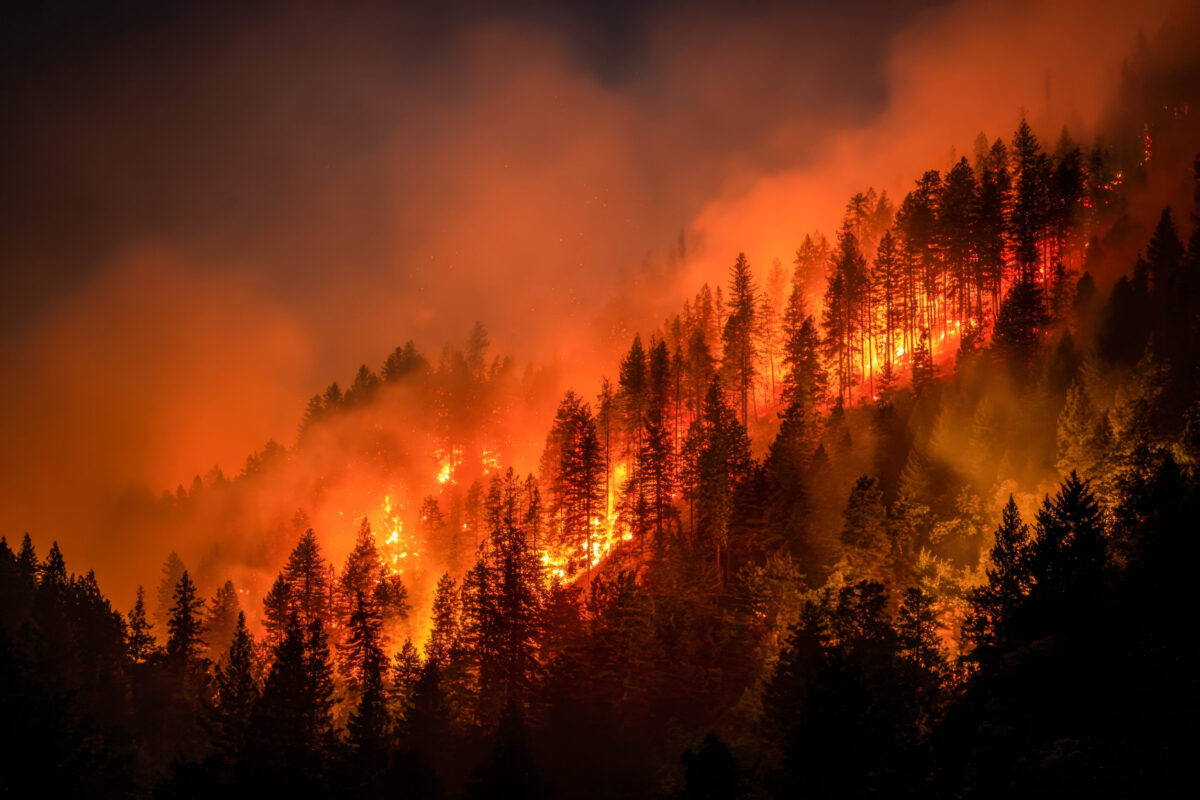
The British man and woman were visiting southeastern Spain when the wildfire erupted near Bédar and Los Gallardos in Almería province. Authorities believe they were hiking when the blaze accelerated on Thursday, July 9. With flames racing across steep, dry land, the couple apparently had little time to escape. They ended up in a ravine, badly injured and isolated from roads, homes, and the emergency crews searching the scorched hills above. Their names have not been publicly released.
Guardia Civil officers were searching the burned landscape as darkness closed in when they heard a distant noise. At first, they reportedly thought it might be an echo. Experience led them to check again. That decision changed everything. The sound guided the officers down the hillside toward the ravine, where they discovered the injured couple. One rescuer later described their ability to call out in such a serious condition as an extraordinary physical effort.
Both victims suffered burns across 40% of their bodies.
The couple was found semi-conscious with severe burns covering approximately 40% of their bodies. Serious burns can cause dangerous fluid loss, infection, shock, and breathing complications, particularly when smoke has also been inhaled. Their position inside the ravine made immediate treatment and evacuation more difficult. Officers had to stabilize the pair in harsh terrain before moving them toward advanced medical care. Both victims remained in intensive care after the rescue, according to reports.
Finding the couple was only the beginning. Rescuers faced a demanding two-hour operation to carry them from the ravine through unstable, fire-damaged terrain. The pair was eventually transported to the hospital for intensive treatment. The operation demonstrated the risks emergency workers continue to face after the visible flames have passed. Burned slopes can remain dangerously hot, smoke can reduce visibility, and weakened vegetation, soil, or rocks can collapse without warning.
At least 12 people were confirmed dead as authorities searched homes, roads and remote areas around the fire zone. Many of the victims were believed to be foreign nationals, including British and Belgian citizens, although officials warned that formal identification would take time. Some bodies were so badly burned that forensic teams needed DNA samples from relatives. The process was complicated because family members had to travel from other countries before samples could be collected and compared.
The fire moved with terrifying speed.

Officials said the blaze advanced at speeds of up to 100 meters per minute in some areas. That pace can overwhelm drivers, hikers, and residents who believe they still have time to escape. By Sunday, the fire had burned roughly 6,600 hectares, equivalent to about 16,300 acres, across forests, farmland and rural communities. Steep ground, dry vegetation, extreme heat, and shifting winds created conditions in which familiar roads and paths could become deadly within minutes.
Several victims were discovered in vehicles or near routes used during attempted escapes. Officials said some residents had been advised to remain sheltered or follow specific evacuation instructions, yet questions remain over how clearly those warnings reached everyone. Survivors and victims’ relatives have challenged claims that everyone who died simply ignored official guidance. The tragedy has raised difficult questions about mobile alerts, door-to-door warnings, and communication when a wildfire changes direction faster than expected.
Nearly 1,500 people were evacuated.
Civil protection officials reported that ,1448 people were moved from 11 locations as the flames threatened communities across Almería province. More than 500 firefighters and emergency workers joined the response, supported by aircraft, military units, police officers, and medical teams. Crews initially concentrated on defending populated areas before calmer winds and higher humidity allowed them to attack the wildfire more directly. The operation reflected both the blaze’s intensity and the difficulty of reaching scattered homes across mountainous rural terrain.
Hundreds began returning as conditions improved.
By Sunday, officials said the wildfire was close to being brought under control, and approximately 600 evacuees had been allowed to return home. The burned area had stopped expanding significantly after weather conditions improved. Emergency teams nevertheless continued checking the disaster zone. The Civil Guard had entered more than 250 homes to ensure nobody remained trapped and planned a final sweep. Returning residents faced burned vehicles, ruined land, and the painful absence of neighbors who did not survive.
The Almería wildfire unfolded during intense summer heat and growing fire danger across southern Europe. Researchers and emergency officials have repeatedly warned that hotter conditions, longer dry periods, and stressed vegetation can make fires easier to ignite and more difficult to contain. For tourists, expatriates, and residents, the lesson is immediate. Official warnings must be followed quickly, hiking plans should account for fire-risk alerts, and escape decisions should never assume that visible flames are still safely distant.