Jasmine Crockett Says Her Senate Loss Was a ‘Racist Race.’ The Numbers Tell a More Complicated Story
Rep. Jasmine Crockett is not quietly walking away from her failed Texas Senate campaign. Four months after losing the Democratic primary to state Rep. James Talarico, the Dallas congresswoman offered a blunt explanation for what happened.
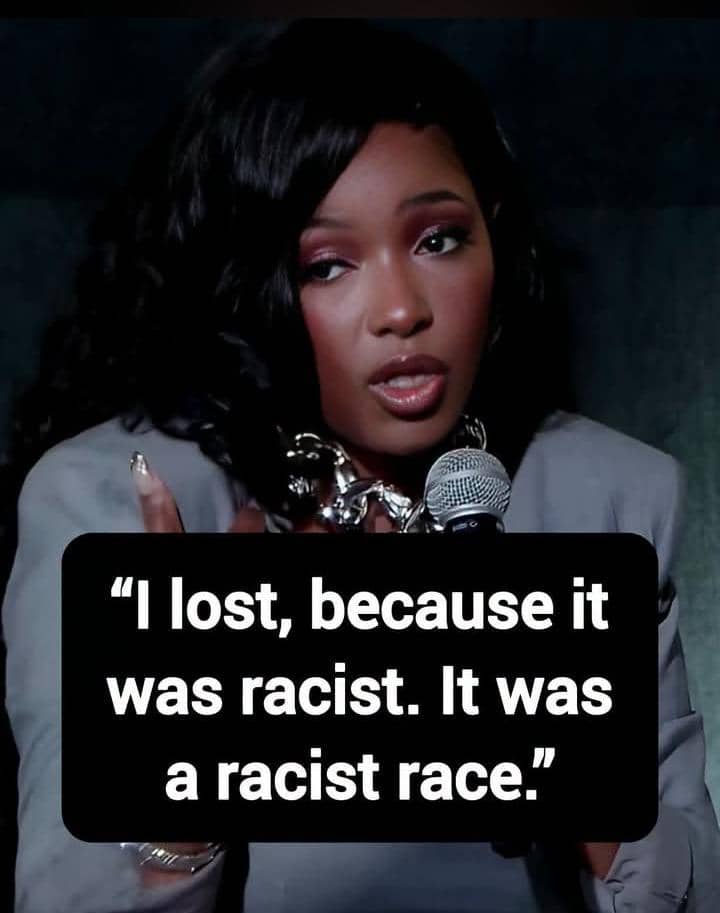
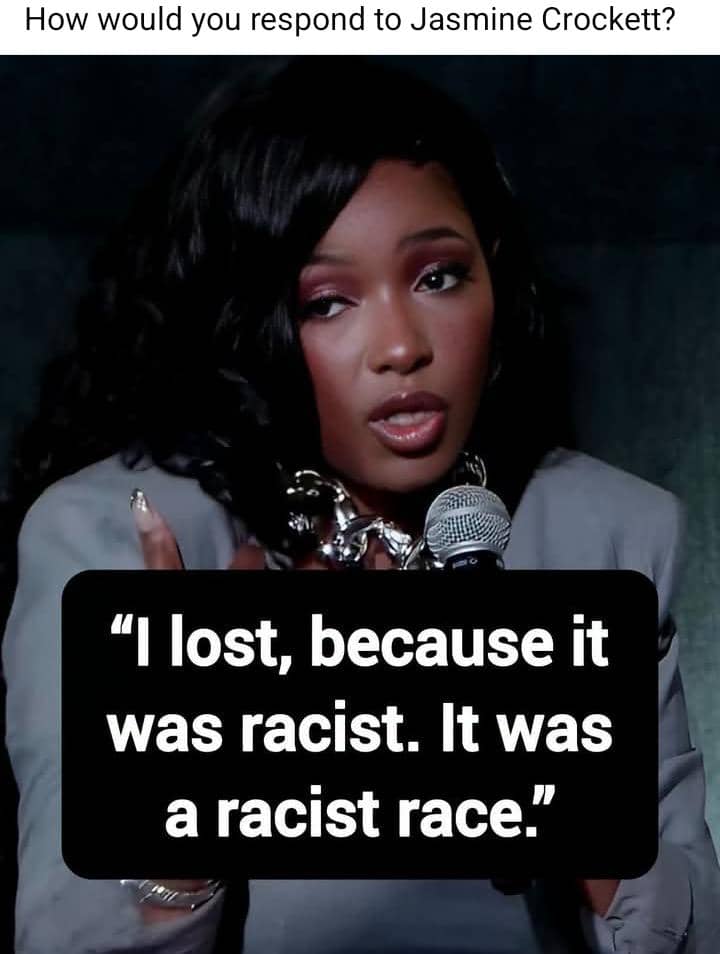
“It was racist. It was a racist race,” Crockett said during a live conversation with the Native Land Pod at the Essence Festival in New Orleans.
Her remarks were bigger than a complaint about one election. Crockett also rejected pressure to become Talarico’s campaign sidekick, defended her work mobilizing voters and argued that a high-profile Black woman was being held to a standard rarely applied to defeated candidates.
The statement has reopened one of the most uncomfortable arguments inside the Democratic Party: Can Democrats count on Black voters without fully confronting concerns about race, representation and who is considered “electable”?
Crockett Says She Will Help Democrats, Just Not by “Holding His Hand”
Crockett’s frustration centered partly on suggestions that she should regularly appear beside Talarico as he campaigns against Republican nominee Ken Paxton.
“People keep trying to say, ‘Well, Jasmine has to go and hold his hand.’ No, I don’t,” Crockett said.
Instead, she said she plans to promote lesser-known Black candidates running in down-ballot contests. Her argument is straightforward. Giving voters several compelling reasons to participate could increase turnout and help the entire Democratic ticket, including Talarico.
Crockett also pointed to the number of people who supported her Senate campaign. She said she received more than twice the roughly 500,000 votes that Texas Democrats’ previous Senate nominee earned during the 2024 primary cycle.
“I got over double that, and I still lost,” she said, adding that she believes she has already demonstrated her ability to bring voters into the political process.
Her position is more complicated than a refusal to support Talarico. Crockett congratulated him after the March 3 primary, endorsed him and initially urged Democrats to unite behind the party’s nominees.
“Texas is primed to turn blue and we must remain united because this is bigger than any one person,” she said in her post-election statement. She also promised to work for Democratic candidates “up and down the ballot.”
What Crockett appears to reject is the idea that an endorsement automatically makes her personally responsible for delivering Black voters to Talarico.
“I am nobody’s footstool,” she said, before promising to continue political work focused specifically on Black communities.
Race Was Part of the Campaign, but It Was Not the Only Factor
The Democratic primary was undeniably shaped by racial tensions. Crockett dominated among Black voters, while Talarico built stronger support among White and Latino voters and campaigned heavily in rural and Republican-leaning parts of Texas.
Some Crockett supporters accused Talarico’s allies of using electability arguments as coded attacks against a Black woman. A pro-Talarico political action committee ran an advertisement warning, “If she wins, we lose,” and Crockett accused the group of making her skin appear darker. The advertisement used a dark filter across multiple people shown in the footage, according to reporting on the campaign.
The campaign was also rocked by an allegation that Talarico had called former Rep. Colin Allred a “mediocre Black man.” Talarico denied making a race-based attack, saying his criticism concerned Allred’s previous campaign performance.
Money created another major imbalance. Talarico and the outside organizations supporting him outspent Crockett and her allies by nearly five to one on advertising. His campaign spent about $15.3 million, compared with Crockett’s $4.3 million, while a pro-Talarico group added another $7.7 million.
Election Day also brought documented confusion in Dallas County, Crockett’s political base. Changes governing where voters could cast ballots resulted in some people being turned away, and courts became involved in a dispute over extended polling hours and whether certain late ballots would count.
Talarico himself condemned the problems.
“Every vote must be counted, every voice must be heard,” he said, describing the disruptions in Dallas and his home county as voter suppression.
Still, the available public evidence does not independently establish that racism alone caused Crockett’s defeat. The record shows a campaign influenced by racial disputes, unequal spending, regional differences, contrasting campaign styles, and voting problems. Determining how much weight each factor carried is far more difficult than reducing the result to one cause.
Talarico ultimately received about 52.4% of the Democratic primary vote. Crockett finished with roughly 46%, a substantial base but not enough to win the statewide nomination.
Talarico Won the Nomination, but He Has Not Yet Won Crockett’s Coalition
The argument now matters because Talarico cannot realistically defeat Paxton without strong Black turnout.
At the Texas Democratic Convention in June, Talarico acknowledged that his party has a “troubling history of taking Black voters for granted.” He promised to invest in Black communities rather than treating their support as automatic.
“We can earn the Black vote, not assume it, not expect it, but earn it,” he said.
Talarico has also praised Crockett publicly. After winning the primary, he called her a colleague and friend and told her supporters that he understood he had not been their preferred candidate.
“It’s on me to ensure you feel welcomed in, represented by and proud of this campaign,” he said.
That work is unfinished. Texas Rep. Barbara Gervin-Hawkins warned that many Black Democrats remain angry and feel that the party has taken their votes for granted. Other Black lawmakers said Talarico had shown signs of good faith but still needed a stronger and more visible outreach strategy.
That is the real political problem hiding beneath Crockett’s explosive words.
She has endorsed Talarico. She says she will support Democrats. She simply refuses to accept that helping the party requires smiling beside the man who defeated her whenever the campaign asks.
Crockett’s claim that the primary was racist will remain contested. Yet dismissing her frustration as nothing more than sour grapes would ignore the racial divisions, campaign tactics, and Black voter concerns that were plainly present.
Talarico won the primary. To win the Senate seat, however, he must persuade Crockett’s supporters that they are valued participants in his coalition, not votes someone else is expected to deliver on command.