Obama Nostalgia Is Back, but the “Unity” Claim Exposes an Uncomfortable Divide
A comment about Barack Obama has reopened an emotional political argument: Was the country truly more united during his presidency, or has time softened the memory of how divided those years were?
Political analyst and Voto Latino President María Teresa Kumar recently suggested that seeing Obama reminds many Americans of a calmer, more connected country. Her remarks drew praise from people who miss Obama’s measured style and criticism from those who remember partisan battles, racial unrest, and political hostility.
The reaction is not really about one sentence. It is about how Americans choose to remember the past.
Obama Still Represents Calm to Millions
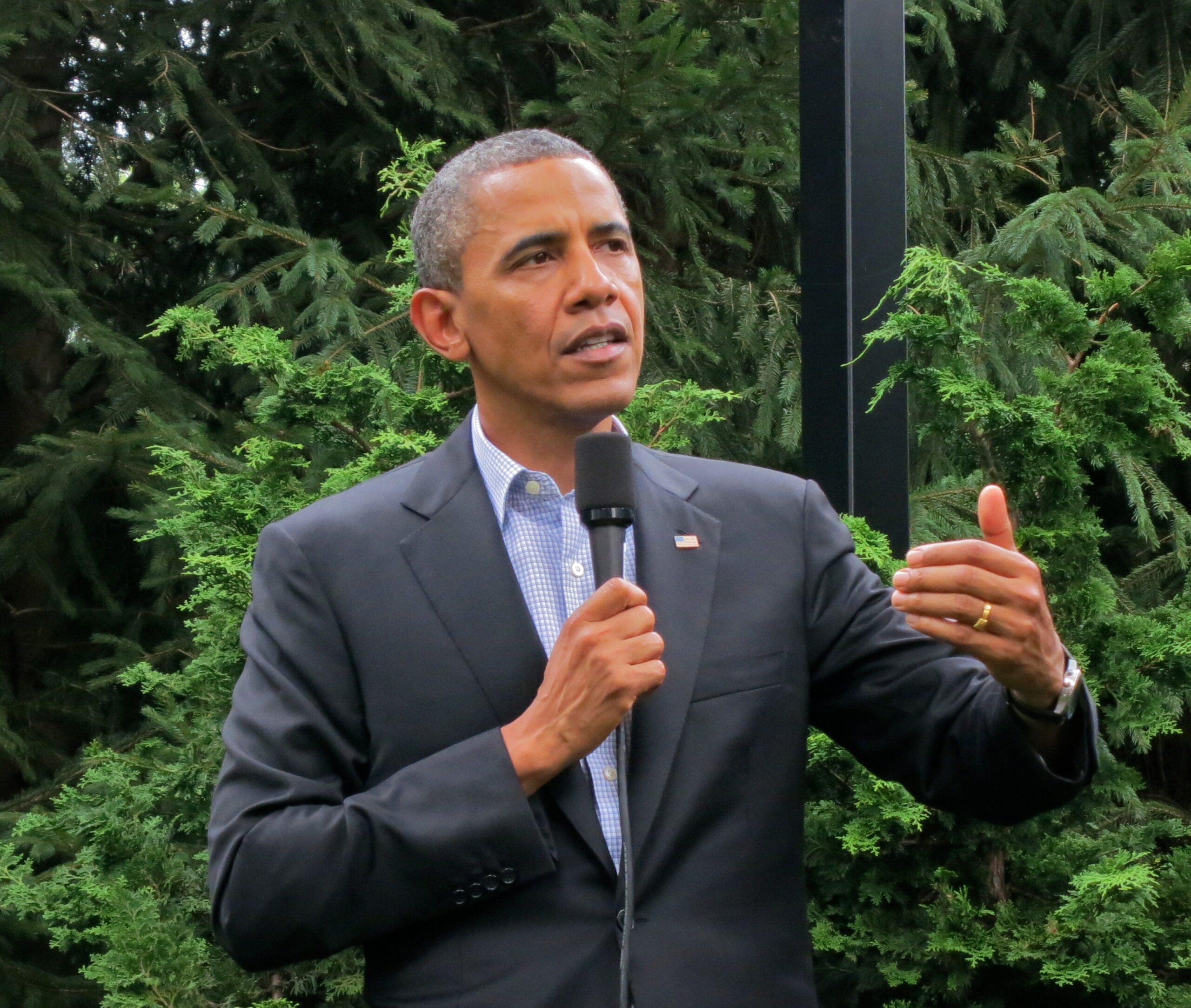
For many people, Obama remains the symbol of a more controlled political era. His speeches were polished, his tone was restrained, and he often presented himself as a leader trying to lower the temperature.
Compared with the louder style that later dominated American politics, Obama’s approach can now feel unusually calm.
His supporters remember confidence, dignity, and possibility. His election as the first Black president gave millions of Americans a historic sense of progress. That emotional memory remains powerful, even if it does not tell the whole story.
The Unity Claim Collides With the Record
Obama remained highly popular among Democrats but deeply unpopular among Republicans. Gallup documented a huge partisan gap in his job approval. Republicans strongly opposed the Affordable Care Act, his immigration actions, judicial appointments, spending priorities, and much of his foreign policy.
Conservative anger helped fuel the Tea Party movement and contributed to major Democratic losses in the 2010 midterm elections. Congressional battles became bitter, and false claims about Obama’s birthplace continued after official records had settled the issue.
That was not political unity. It was a divided country led by a president who frequently spoke in the language of unity.
Calm Leadership Did Not Mean Calm Politics
Obama’s style and the political climate around him were two different things.
Cable news became more partisan, social media became more influential, and political outrage turned into a daily business model. Americans sorted themselves into ideological camps and developed increasingly harsh views of the opposing party.
By Obama’s second term, political opponents were increasingly treated as threats rather than people with different ideas. The hostility was already spreading, even though Obama rarely matched the anger surrounding him.
Economic Recovery Gives Nostalgia Real Weight
Obama nostalgia is also tied to the recovery that followed the Great Recession.
He entered office in January 2009 as businesses were closing, jobs were disappearing, home values were falling, and fear was everywhere. Unemployment continued rising during his first year before gradually declining.
By January 2017, the unemployment rate had fallen significantly, millions of jobs had been added, and the financial system was no longer in free fall. The Affordable Care Act also expanded access to health insurance and reduced the uninsured rate.
For families that gained coverage, found work, or rebuilt their savings, the Obama years may genuinely feel like a period when life became more secure. Presidents never control the economy alone, but voters often connect economic conditions to the person in the White House.
Racial Conflict Complicates the Story
Any claim that America was united during the Obama years must confront the racial tensions that defined much of his presidency.
The killings of Trayvon Martin, Michael Brown, Eric Garner, Tamir Rice, Freddie Gray, and others sparked grief, protests, and national outrage. The Black Lives Matter movement grew during Obama’s second term, demanding attention to police violence and racial inequality.
The unrest in Ferguson, Missouri, became a clear example of how far the country was from racial harmony. A federal investigation later found serious problems in the city’s policing and court practices.
Obama’s presidency carried enormous symbolic importance, but his election did not erase racial inequality. For many Black Americans, the period included both pride and disappointment.
Time Has Softened the Sharpest Edges
Former presidents often become more popular after leaving office because the public remembers their strongest qualities more clearly than their controversies.
Obama has benefited from that distance. He has mostly avoided constant public combat, and his appearances often focus on democracy, leadership, young people, or civic responsibility.
That has kept his public image tied to eloquence, humor, family, and hope. A calm voice also becomes more valuable when the national conversation feels permanently angry.
Americans Are Remembering Different Realities
The argument over Kumar’s comment proves that there is no single American memory of the Obama presidency.
A person who gained health insurance may remember relief. A conservative voter may remember federal overreach. A young Black student may remember inspiration. A worker in a struggling industrial town may remember a recovery that never fully reached the neighborhood.
All of those memories can exist at the same time. Political history is personal because people experience government through jobs, bills, safety, identity, and opportunity.
That is why debates over Obama remain so intense. People are not only defending a political leader. They are defending their own memories of what America felt like.
The Debate Says More About Today Than Yesterday
Kumar’s statement gained attention because many Americans appear exhausted by the current political atmosphere.
They miss predictability. They miss restraint. They miss the idea that a president could speak about national unity without every sentence becoming another cultural battle.
That does not prove the Obama years were truly united. They were politically tense, racially complicated, and deeply partisan. Still, nostalgia does not require a perfect past. It only requires a present that feels worse.
Obama’s presidency was neither the peaceful golden age imagined by his strongest admirers nor the disaster described by his harshest critics. It was a complicated period shaped by economic recovery, historic progress, partisan warfare, racial pain, and cultural change.
The real question is not whether Obama united America.
It is why so many Americans now need to believe someone once did.