
Nick Reiner Reportedly “Unrecognizable” in Jail as a Hollywood Family Tragedy Grows Darker
Seven months after the killings that shattered one of Hollywood’s best-known families, the story surrounding Nick Reiner has taken another disturbing turn. The 32-year-old son of filmmaker Rob Reiner and producer-photographer Michele Singer Reiner is reportedly suffering a severe physical and psychological decline at Los Angeles’ Twin Towers Correctional Facility.
An unnamed source described him as thinner, heavily medicated, nearly bald, and increasingly difficult to communicate with. Those claims remain unverified, but they have intensified concern around a murder case already marked by grief, mental illness, addiction and unanswered questions.
The latest account came from a source described as close to the Reiner family. The source claimed Nick “no longer looks like Nick” and said his appearance had changed so sharply that former acquaintances might not recognize him.
According to the report, his eyes appear sunken, his weight has fallen, and his hair is kept extremely short. Page Six said a representative for the Reiner family did not immediately respond to its request for comment, leaving the insider’s dramatic account unconfirmed.
Medication is now a growing concern.

The source attributed some of Nick’s reported physical decline to intense medication. Earlier reporting established that he had been housed in a mental-health unit and monitored closely after entering jail.
People reported in January that medical professionals had determined he had a mental disability, although authorities have not publicly released a detailed diagnosis, treatment plan, or medication list. The public is therefore seeing only fragments of a private medical situation, mostly through anonymous sources.
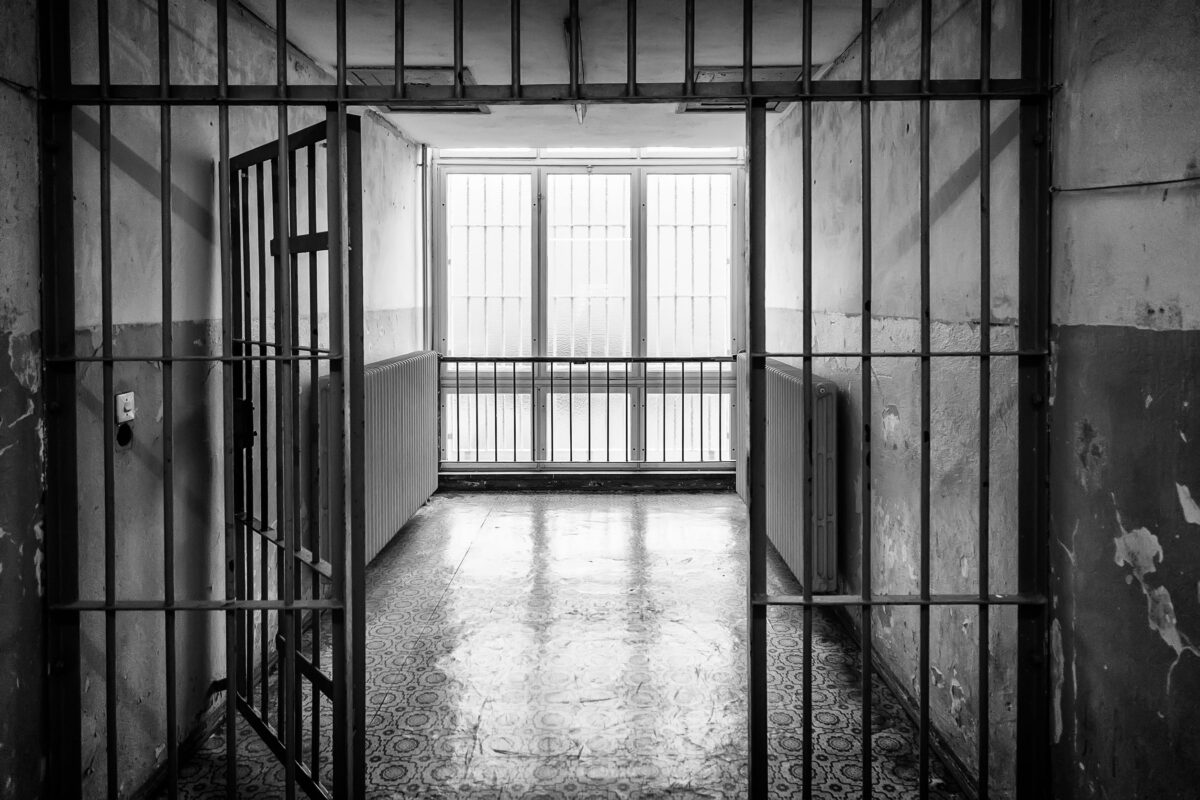
Nick has reportedly spent much of his detention alone in High Observation Housing. People previously reported that he was checked every 15 minutes, escorted by deputies outside his cell, and separated from other inmates.
Isolation can be used to protect a high-profile or vulnerable prisoner. However, prolonged confinement can also intensify distress, confusion, and disorientation. The newest account claims his personality has become almost unrecognizable and that his attorneys increasingly struggle to communicate with him.
His siblings are said to fear the worst.
The report also claims Nick’s surviving siblings, Jake and Romy Reiner, are deeply worried about his condition and uncertain whether he will fully recover. Neither sibling has publicly confirmed those fears.
Their position is especially painful because they are grieving two parents while their brother stands accused of causing the deaths. After the killings, Jake and Romy described their loss as horrific and devastating. They have largely remained outside the public courtroom spectacle surrounding the case.
Nick has pleaded not guilty to two counts of first-degree murder in connection with the December 14, 2025, stabbing deaths of Rob and Michele inside their Brentwood home. He remains jailed without bail and is presumed innocent unless proven guilty.
Prosecutors have disclosed little about a possible motive. Its reported that both victims died from multiple sharp-force injuries, while the Los Angeles Times said the case was delayed until September as discovery materials and autopsy reports remained incomplete.
A troubled history has become central to the narrative.
Long before the killings, Nick had spoken publicly about addiction, homelessness, and repeated treatment. His experiences inspired “Being Charlie,” the 2016 film he co-wrote and his father directed.
The movie explored the damage addiction can inflict on a wealthy family, making the current case feel hauntingly close to themes the Reiners once turned into art. Reuters also reported that Nick was placed under a court-approved mental-health conservatorship in 2020, allowing involuntary psychiatric treatment until the arrangement ended in 2021.
Several outlets reported that Nick argued with his parents at a holiday gathering hosted by Conan O’Brien the night before their deaths. The Los Angeles Times said family friends recalled him behaving strangely and described Michele as increasingly worried about his mental health in the preceding weeks.
Those accounts may eventually become part of the prosecution or defense narrative, but they do not establish guilt. For now, they remain pieces of a timeline that investigators and attorneys are still assembling.
The jail itself has faced harsh criticism.
Twin Towers is one of the nation’s largest jail-based mental-health institutions. Former inmates and advocates have described constant noise, cold cells, limited sunlight, and intense emotional pressure.
Page Six cited a former inmate who said screaming continued throughout the day and night. Such descriptions do not prove Nick is being mistreated, but they raise wider questions about whether a county jail can stabilize a defendant with serious psychiatric needs while protecting his safety and legal rights.
Nick is also seeking access to money from a trust created by his parents. The Los Angeles Times reported that his civil attorneys asked a court to release funds they say should have been distributed after he turned 30.
The trust is reportedly worth about $1.5 million, with half scheduled for release at age 30 and the remainder at 35. His attorneys argue the money is needed for his defense after private lawyer Alan Jackson withdrew and a public defender took over the criminal case.
Mental illness must not become a shortcut to guilt.
The case has fueled intense discussion about schizophrenia, addiction, and violence. That conversation demands care. A psychiatric diagnosis does not establish criminal responsibility, and mental illness should not be treated as automatic evidence of dangerousness.
The court must separately consider what happened, Nick’s mental condition, his ability to assist counsel and any legal questions about competency or intent. Sensational descriptions may attract attention, but they cannot replace medical evidence, sworn testimony, or due process.
The Reiner case is no longer only a Hollywood murder story. It has become a grim test of how the justice system handles a defendant accused of an unthinkable crime while reportedly experiencing profound mental decline.
Two people are dead, their surviving children face an unimaginable rupture, and the accused remains behind glass and concrete as lawyers prepare for a legal battle still months away. The urgent questions now extend beyond guilt or innocence: Can Nick meaningfully participate in his defense, is he receiving adequate treatment, and will the truth emerge before his condition deteriorates further?


