From College Campuses to Green Cards: Trump’s New Immigration Rules Create Uncertainty for Thousands
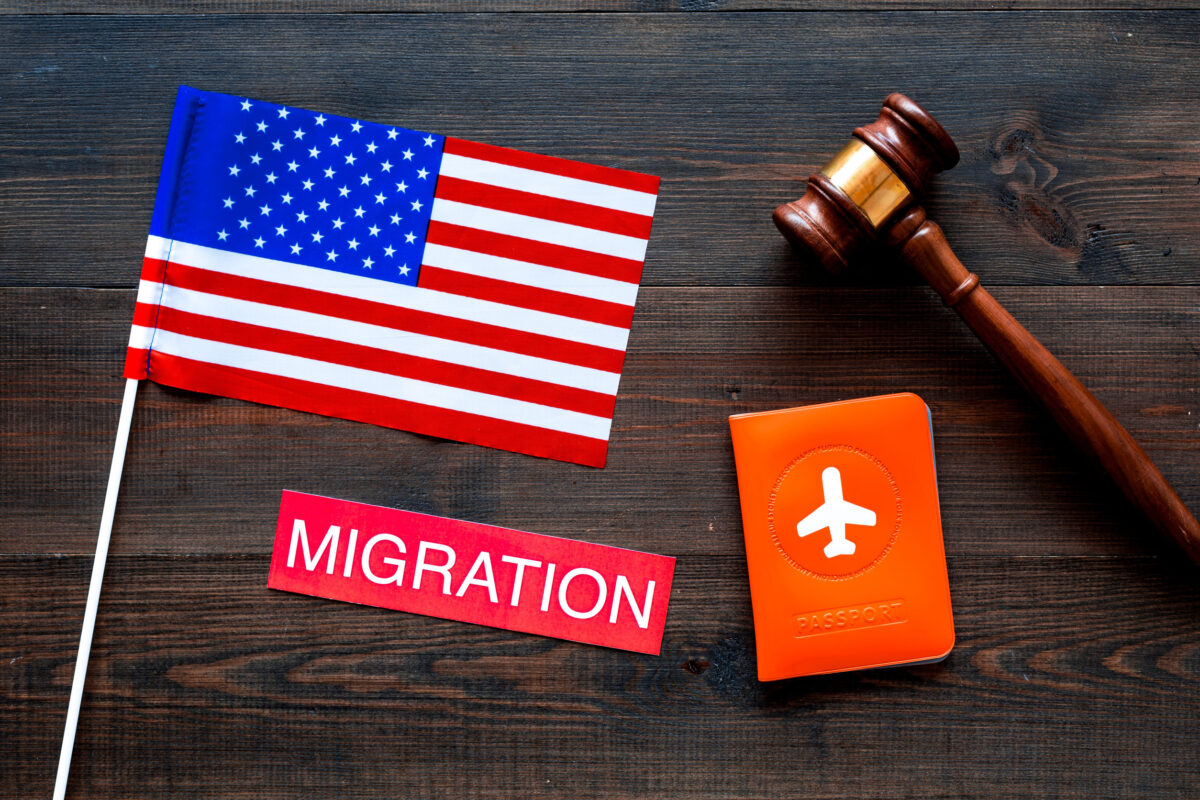
The Trump administration is moving forward with new immigration policies that could affect thousands of people hoping to study, work, and build permanent lives in the United States.
One policy would limit how long many international students can remain in the country, replacing the previous system that generally allowed students to stay as long as they maintained their academic status. Another change revives the “public charge” rule, which allows immigration officials to consider certain use of public benefits when reviewing some green card applications.
The two policies affect different groups, but they share a common theme: a stronger focus on immigration oversight, eligibility requirements, and the conditions people must meet to remain in the country.
For some international students, the changes could affect how they plan their education and careers. For immigrants seeking permanent residency, the policies could add another layer of consideration during an already complicated process.
For international students, the clock may start ticking differently
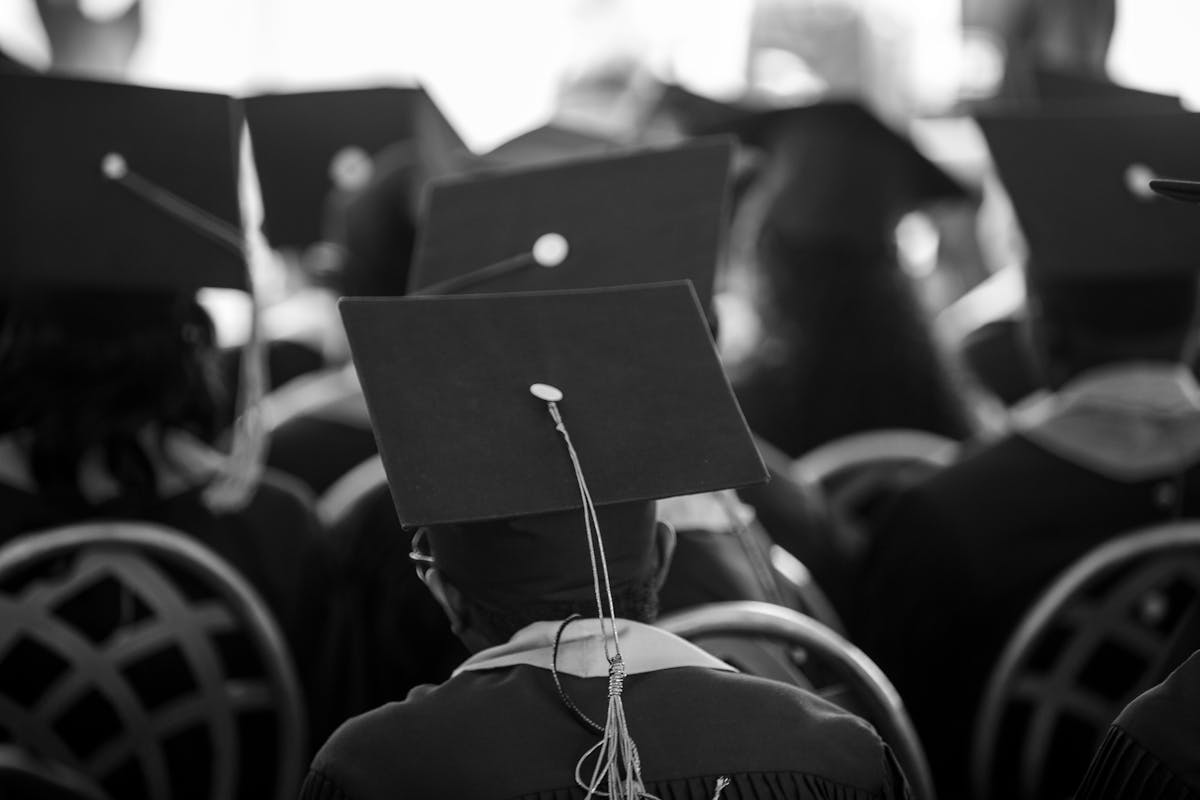
For decades, many international students studying in the United States have relied on the “duration of status” system, which allowed them to remain in the country as long as they stayed enrolled and followed visa rules.
A new rule from the Trump administration would replace that flexibility with a fixed period of authorized stay, generally limiting many students to four years unless they receive additional approval.
For some students, four years may be enough to complete their education. For others, especially those pursuing advanced degrees, research programs, or specialized studies, the timeline could create new challenges.
A doctoral student working on a complex research project, for example, may need additional time due to experiments, academic requirements, or unexpected delays. Under the new system, extending that stay could require additional government review.
The change has raised concerns among universities and education advocates who worry that immigration uncertainty could influence whether international students choose American schools over other destinations.
International students contribute to campuses across the country, particularly in science, technology, engineering, and research programs. Many universities view them as an important part of academic communities and innovation.
Green card applicants face renewed questions about financial support
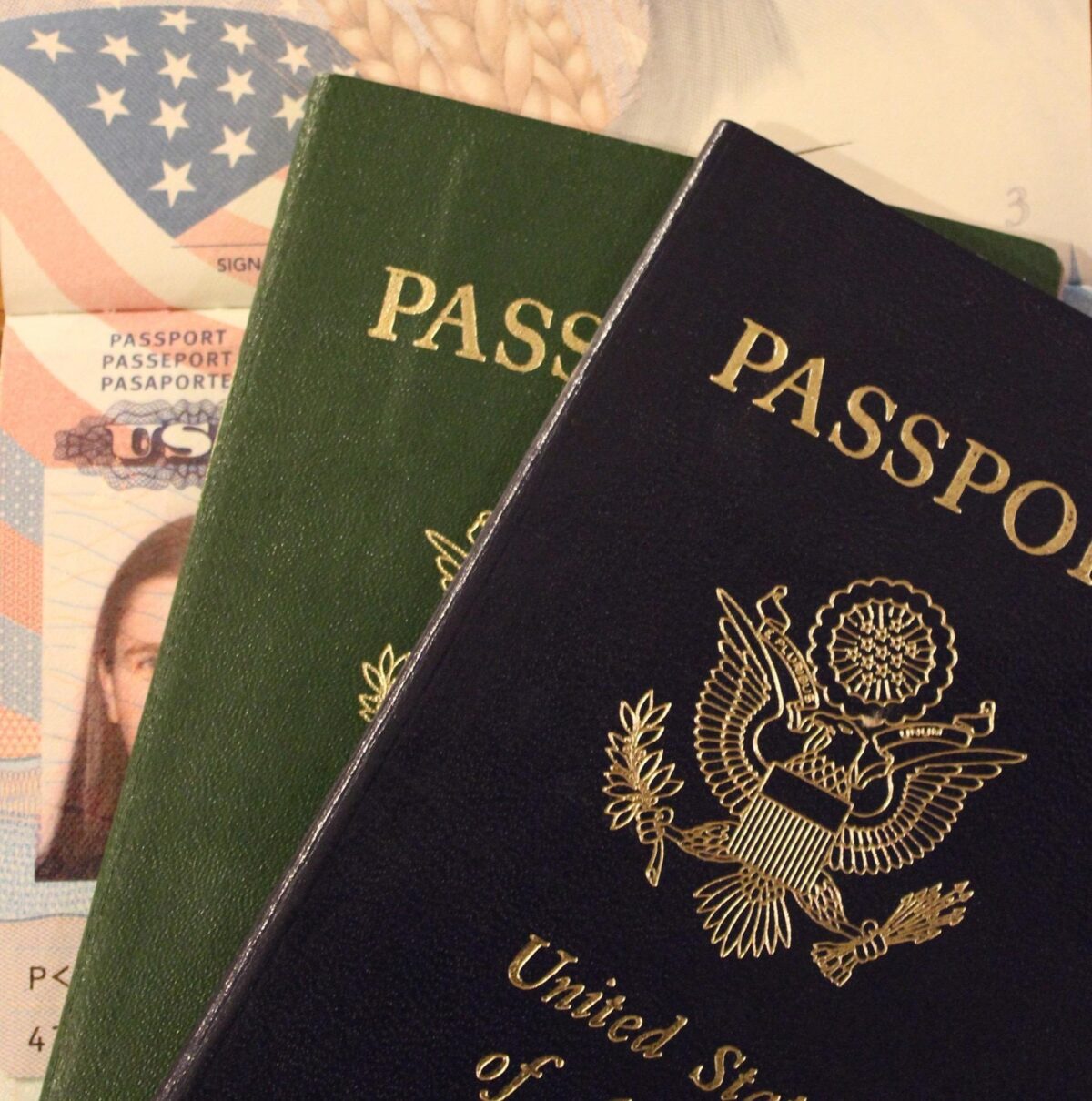
The uncertainty extends beyond college campuses.
The Trump administration has also revived a policy known as the “public charge” rule, which allows immigration officials to consider certain use of public benefits when reviewing some green card applications.
The policy is based on the idea that immigrants seeking permanent residency should demonstrate that they can support themselves financially.
Supporters argue the rule helps ensure immigration decisions consider long-term financial independence.
Critics say it may create confusion and fear among immigrant families who may avoid programs they are legally allowed to use because they worry about future immigration consequences.
For people applying for green cards, the process already involves years of paperwork, background checks, and financial requirements. The renewed policy adds another factor families may need to understand as they plan their futures.
Why the administration says the changes are needed

The Trump administration says the new immigration policies are designed to improve oversight, create clearer rules and strengthen enforcement.
Officials argue that limiting student stays would give the government more opportunities to review long-term stays and ensure foreign student programs are being used as intended.
Under the previous system, students could generally remain in the country as long as they maintained their legal status. The administration has argued that clearer time limits would create a more structured process, especially for those who need more time than their original academic plans allow.
The administration has also defended the return of the public charge rule, saying it is meant to ensure immigrants applying for permanent residency can demonstrate financial stability.
Officials say the goal is not to end legal immigration but to create a system with stronger requirements and more consistent enforcement.
Supporters see enforcement, critics see new challenges
Supporters of the policies say stronger immigration rules can protect the system’s integrity and give the government greater control over who enters and remains in the country.
They argue that clearer requirements create a more organized process and help ensure immigration programs serve their intended purpose.
Critics see a different concern. They argue the changes could create additional challenges for international students, immigrant families, and American institutions that rely on global talent.
Some education leaders worry that stricter visa rules could make the United States less attractive than other countries competing for international students. Immigration advocates have also raised concerns that changes involving public benefits could make it harder for families to understand their options.
The debate reflects a larger challenge facing the country: finding a balance between stronger immigration enforcement and maintaining America’s reputation as a place where people come to study, work and build a future.
A changing path to building a life in America
For many people affected by these changes, immigration is not simply about paperwork or government rules. It is about personal decisions that shape careers, families, and futures.
A student choosing a university may now consider immigration timelines alongside tuition costs and academic opportunities.
An immigrant family applying for permanent residency may think more carefully about how government policies could affect their application.
Supporters of the changes say stronger enforcement creates a more organized and secure immigration system. Opponents argue that additional restrictions could make the United States less attractive to talented students, workers, and families who contribute to the country.
The debate reflects a larger question facing America: how can the country protect its immigration system while remaining a place where people come to study, work, and build new lives?
For many people watching these changes unfold, the question is not only about immigration rules but about what kind of role America wants to play in the world. Can the country strengthen enforcement while remaining a destination for students, innovators, and families seeking opportunity?