Transgender Maine Senate Candidate Sparks Online Frenzy Over Response to Debate Question
A televised debate intended to help Maine Democrats identify their strongest challenger to Republican Sen. Susan Collins was suddenly transformed into a social media spectacle after candidate Ashley Webb offered an unconventional explanation of what qualified Webb to serve in the U.S. Senate.
Asked directly about relevant qualifications, Webb pointed to previous unsuccessful campaigns, writing books, and songwriting. The response quickly spread beyond Maine, but the viral moment also exposed the unpredictability of a political contest assembled under extraordinary time pressure.
Webb is one of several Democrats attempting to replace former nominee Graham Platner, who withdrew from the race after being accused of rape, an allegation he denies. Platner’s departure forced the Maine Democratic Party to create a replacement process that has never previously been used in the state.
A Songwriter Pitch Becomes the Debate’s Defining Moment
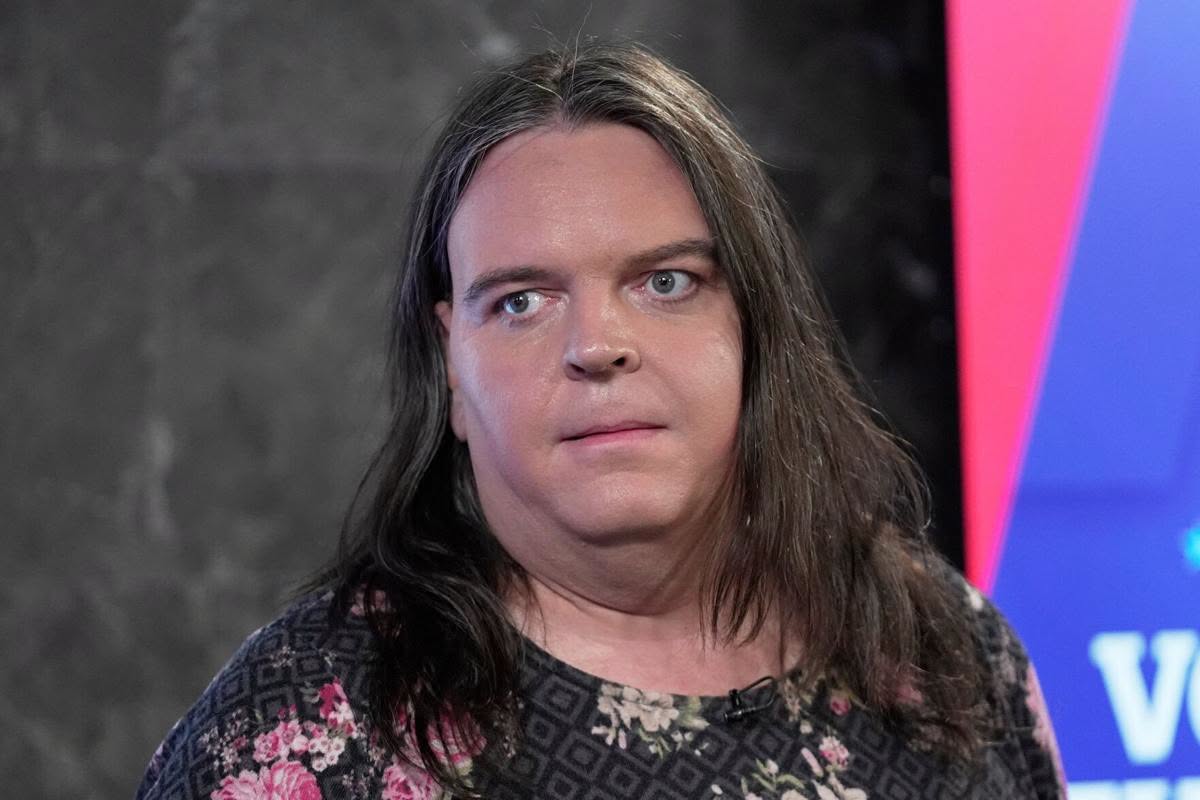
“I ran for office several times, didn’t win, but I did run,” Webb said during Thursday night’s debate at the WCSH 6 studio in Portland.
Webb then added, “I’m a songwriter” and mentioned writing books before arguing that personal transparency was another important qualification. Webb said voters were being deceived by political leaders and pointed to the controversy surrounding Immigration and Customs Enforcement as an example.
The answer was only one part of a debate that covered immigration, healthcare, foreign policy, and electability. Online, however, the songwriter’s comment quickly became the defining moment of the night.
Conservative commentator Dave Rubin responded, “Surely you can’t be serious,” while Jesse Arm of the Manhattan Institute predicted that Collins would win. Author Bethany Mandel wrote that she could not be convinced the moment was real, and several other conservative personalities used the clip to ridicule the Democratic field.
The reaction demonstrated the unforgiving nature of modern campaigning. A candidate may spend an entire debate discussing policy, but one awkward answer can become the only exchange that millions of people ever see.
Webb’s gender identity also appeared prominently in headlines and online commentary, although the question itself focused on qualifications. The political vulnerability came not from Webb being transgender, but from providing opponents with an answer that could easily be isolated, shortened, and circulated without the rest of the debate.
Maine Democrats Are Choosing a Nominee at Unusual Speed
The viral clip surfaced amid an unprecedented scramble within the Maine Democratic Party. Platner won the June 9 primary but withdrew on July 8. Because there is not enough time to organize another statewide primary, party officials will instead hold a special nominating convention on July 25 at the Cross Insurance Center in Bangor.
A total of 601 delegates will select the replacement nominee. Candidates must also secure 500 voter signatures before they can qualify for consideration at the convention, leaving campaigns only days to recruit supporters, organize volunteers, and persuade delegates.
That compressed process helps explain the wide range of experience represented on the debate stage.
Webb appeared alongside former government official David Costello, former state lawmaker Elizabeth Dickerson, and Maine Beer Company cofounder Dan Kleban. Other participants included Secretary of State Shenna Bellows, former Maine Senate President Troy Jackson, former Maine CDC Director Nirav Shah, and former congressional aide Jordan Wood.
Several entered the race only after Platner’s departure, meaning they have had little time to prepare campaign organizations or develop polished statewide messages. The result is closer to a political audition than a conventional primary campaign.
The Viral Mockery Could Obscure the Race’s National Importance
The online jokes may have generated the most attention, but Maine’s Senate election carries consequences well beyond one candidate’s debate performance.
Collins has represented Maine in the Senate for nearly three decades. Democrats view her seat as one of their strongest opportunities because Maine is the only Republican-held Senate seat on the 2026 ballot from a state that voted for Democratic presidential nominee Kamala Harris in 2024.
Republicans currently hold a 53-to-47 Senate majority, meaning Democrats would need a net gain of four seats to take control. That leaves little room for a nomination process dominated by internal confusion, untested candidates, or viral distractions.
During the debate, the leading candidates attempted to turn attention toward Collins and President Donald Trump. They criticized immigration enforcement, discussed healthcare costs, and argued over who would be best positioned to defeat a well-funded incumbent.
Webb’s answer nevertheless gave Republicans a ready-made argument that Democrats are struggling to present a credible alternative. Whether that interpretation is fair or not, it is now part of the public conversation surrounding the race.
The convention delegates, rather than Maine’s broader Democratic electorate, will decide which candidate ultimately faces Collins. That makes the next several days a contest not only of policies and experience, but also of who can demonstrate discipline under intense scrutiny.
Webb may have entered the debate hoping that honesty and creative experience would distinguish the campaign. Instead, the songwriter’s remark became a warning for every candidate in Maine’s rushed Senate contest: in a race this consequential, one answer can drown out everything else.