Democrat Announces Heartbreaking Death of 12-Day-Old Great-Granddaughter
Michigan Democratic Rep. Debbie Dingell has stepped away from her congressional duties after announcing the devastating death of her family’s 12-day-old daughter, granddaughter and great-granddaughter. The congresswoman revealed the loss on Wednesday, July 15, 2026, explaining that she was returning home during what she described as an intensely painful and deeply personal moment.
The announcement transformed an ordinary day of legislative business into a moment of profound grief. Dingell had expected to remain in Washington for scheduled House votes on July 15 and July 16, but she made clear that her responsibilities as a family member had become more urgent than her responsibilities on Capitol Hill.
Her message was brief, deeply religious, and focused almost entirely on supporting the grieving relatives around her. Although Dingell has spent decades operating in the public eye, she offered few details about the infant, the circumstances surrounding the death, or the relatives most directly affected by the tragedy.
Debbie Dingell Leaves Washington After Infant’s Sudden Death
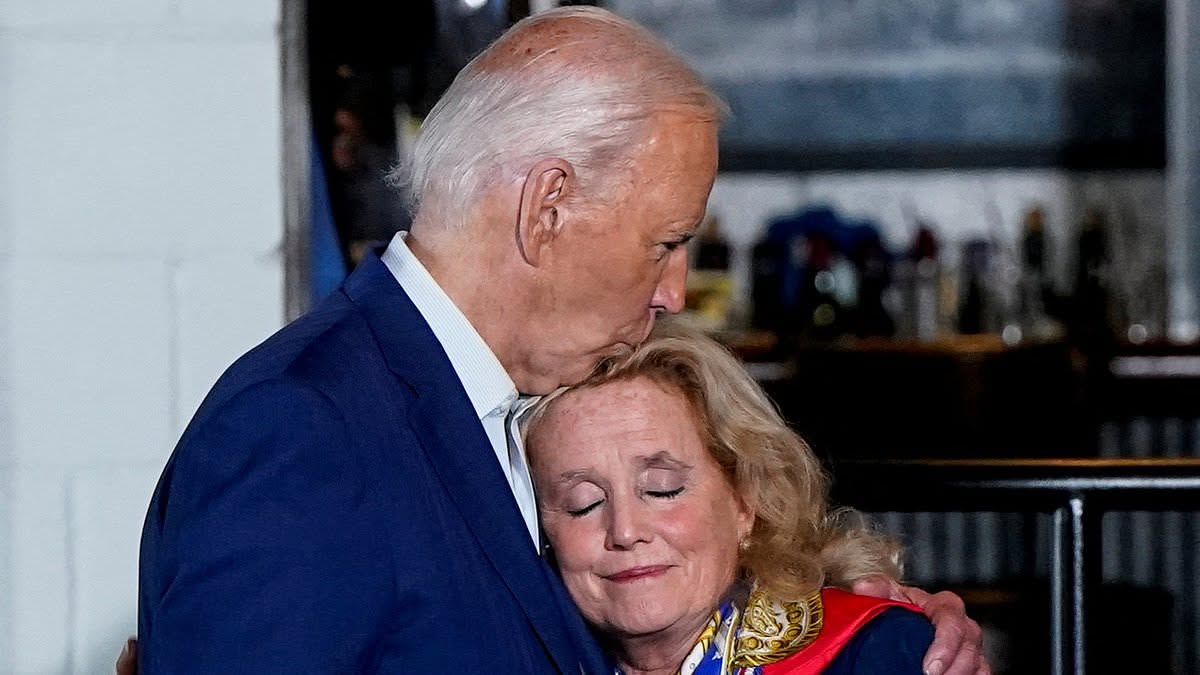
Dingell announced that she was leaving Washington unexpectedly to be with her family. In explaining the decision, the Michigan lawmaker said plainly that “my family needs me now,” placing family support above the political obligations that had originally filled her schedule.
We see in that decision a rare pause in the relentless rhythm of congressional life. Votes, negotiations, committee meetings, and public appearances ordinarily demand the constant presence of lawmakers, particularly senior members who hold leadership responsibilities. Dingell nevertheless made it clear that no political commitment could take priority over standing beside loved ones confronting the death of a newborn.
The congresswoman described the child as her family’s daughter, granddaughter, and great-granddaughter, wording that reflected how the loss spanned several generations. She said the baby had “returned home to God,” adding that the family had relied on its faith throughout the painful experience.
Dingell did not disclose the baby’s name. She also did not reveal where the child died, whether the infant had experienced medical complications, or whether the death followed an illness. No official cause of death had been publicly announced when reports of the tragedy emerged.
That absence of information is important. We should not treat the silence surrounding the cause as an invitation to speculate. The available facts establish only that a 12-day-old baby in Dingell’s family died on July 15 and that the congresswoman immediately returned home to support her relatives.
A Personal Statement Centered on Faith, Comfort, and Remembrance
The emotional weight of Dingell’s announcement came not from political language but from its focus on faith and family. She emphasized the need to offer comfort, support, and remembrance to those facing the loss, presenting her departure from Washington as an essential family responsibility rather than a political decision.
We have often seen public officials issue carefully prepared statements after personal tragedies. Dingell’s message, however, carried the directness of someone responding while the loss was still unfolding. She did not provide a detailed account, announce funeral arrangements, or discuss when she expected to resume her normal congressional schedule.
Instead, she asked the public to understand why she could not remain in Washington. The message conveyed a straightforward truth: a family had welcomed a baby only days earlier and was now being forced to mourn that child.
The infant had lived for fewer than two weeks. That detail gave the announcement much of its heartbreaking force, but Dingell did not use it to draw attention toward herself. Her words remained focused on the wider family, particularly those whose relationship with the child was closest and whose grief would continue long after public attention moved elsewhere.
Condolences Reach Dingell From Across the Political Divide
After the announcement became public, current and former colleagues began offering condolences to Dingell and her family. The messages came from figures across party lines, momentarily setting aside the sharp divisions that normally define Washington politics.
Republican Rep. Mike Lawler of New York publicly sent his deepest condolences and said he was keeping Dingell’s granddaughter and the rest of the family in his prayers. Other responses similarly concentrated on compassion rather than political affiliation.
That reaction reflected Dingell’s long-standing relationships within Congress. Although she is a prominent Democrat and frequently participates in partisan policy battles, her work has also included bipartisan efforts on health care, domestic violence, disability rights, manufacturing, environmental protection, and caregiver support.
We should recognize why those public expressions of support matter. Political leaders are often reduced to voting records, television appearances, and party labels. Personal tragedy strips away those categories, reminding the public that elected officials also experience sudden losses, family responsibilities, and private anguish that affect people far beyond Washington.
Who Is Michigan Congresswoman Debbie Dingell?
Debbie Dingell has represented Michigan in the U.S. House of Representatives since January 2015. She currently represents the state’s 6th Congressional District, which includes Ann Arbor and surrounding communities in southeastern Michigan.
Dingell serves on the House Committee on Energy and Commerce and the House Committee on Natural Resources. Her subcommittee assignments cover health, communications, technology, manufacturing, trade, energy, wildlife, and water policy. She also chairs the House Democratic Policy and Communications Committee and holds leadership roles in numerous bipartisan congressional groups.
Before entering Congress, Dingell spent more than three decades working in the automotive industry. She served as president of the General Motors Foundation and held a senior public affairs position connected to the company’s community and government relations work.
Her public career has also included extensive advocacy involving women and children. She previously chaired the Michigan Infant Mortality Task Force, the Children’s Leadership Council of Michigan and an early childhood investment organization. She was also involved in a public education campaign created to reduce infant mortality in Michigan.
Those details give the current loss an especially poignant dimension. Dingell has spent part of her career advocating for children’s health and supporting policies intended to protect infants and families. The death announced on July 15 is not a policy debate, however. It is an intensely personal tragedy that has reached directly into her own extended family.
The Dingell Family Has Endured Public Grief Before
Debbie Dingell entered Congress after her husband, John Dingell Jr., retired at the end of 2014. He had represented Michigan in the House for nearly six decades and became the longest-serving member of Congress in United States history. Debbie Dingell won the election to the seat and began serving in January 2015.
John Dingell died on February 7, 2019, at the age of 92. His death ended a marriage that had lasted nearly 38 years and began another highly public period of mourning for Debbie Dingell.
She spoke openly at the time about the difficulty of losing the man she described as her true love. The grief later became part of a national political controversy after President Donald Trump made a remark suggesting that John Dingell might be looking up from hell rather than down from heaven. Debbie Dingell responded by asking that politics be set aside and that families be kept out of personal political attacks.
The death of the 12-day-old infant is a separate tragedy, and it should not be used merely as another chapter in a political narrative. Yet Dingell’s previous experience with public mourning helps explain the careful boundaries in her latest statement. She acknowledged the loss, explained her absence, and then protected the family from unnecessary exposure.
Why Privacy Must Remain Central to the Story
The death of a newborn naturally creates questions, but the family has not provided answers beyond Dingell’s announcement. The infant’s name, medical history and cause of death remain private. No credible report has established whether the child’s death was expected or sudden in a medical sense.
We therefore know enough to report the tragedy accurately but not enough to construct theories around it. Responsible coverage must preserve that distinction.
The most significant confirmed facts are clear. A baby girl connected to several generations of the Dingell family died at 12 days old. Debbie Dingell left Washington to support her relatives. She grounded her announcement in faith, love, and remembrance, while colleagues from both political parties responded with sympathy.
Everything beyond those facts belongs to the family unless its members decide otherwise.
A Family’s Loss Temporarily Silences Washington Politics
The death of Dingell’s great-granddaughter has drawn national attention because of the congresswoman’s public position, but its deepest impact remains private. Behind the headlines is a family confronting the loss of a child who had been part of their lives for only 12 days.
Dingell’s announcement did not seek to turn that grief into a political event. It explained why she was leaving Washington and why, for this moment, the demands of Congress would have to wait.
As condolences continue to reach the Michigan lawmaker, we are reminded that some moments exist beyond party conflict. Votes can be rescheduled, meetings can be postponed, and political disputes can be resumed another day. The time spent comforting a grieving family cannot be replaced.
Our thoughts remain with Rep. Debbie Dingell, the child’s parents, grandparents and every member of the family mourning this heartbreaking loss.