California Accessory Dwelling Unit Rules 2026: How Backyard Homes Are Becoming a New Housing Lifeline for Homeowners
California’s housing crisis has pushed homeowners to rethink one of the most overlooked spaces on their properties: the backyard. A once-empty garage, unused side yard, or aging guesthouse is now becoming a potential source of rental income, family housing, and long-term financial security.
In 2026, Accessory Dwelling Units, better known as ADUs or backyard homes, continue to reshape the way Californians think about residential property.
For decades, owning a home in California represented stability and security. But with home prices and rents remaining among the highest in the country, many residents are searching for new ways to make their properties work harder.
An ADU offers one possible answer. A small home built behind an existing house can provide housing for aging parents, a place for adult children, a rental opportunity for homeowners, or an additional investment that increases property value.
California’s push for ADUs is part of a larger effort to address the state’s housing shortage. Instead of relying only on massive housing developments, policymakers have encouraged homeowners to create more living spaces within existing neighborhoods.
The result is a quiet housing transformation happening one backyard at a time.
Why California Is Turning to Backyard Homes to Solve Its Housing Shortage
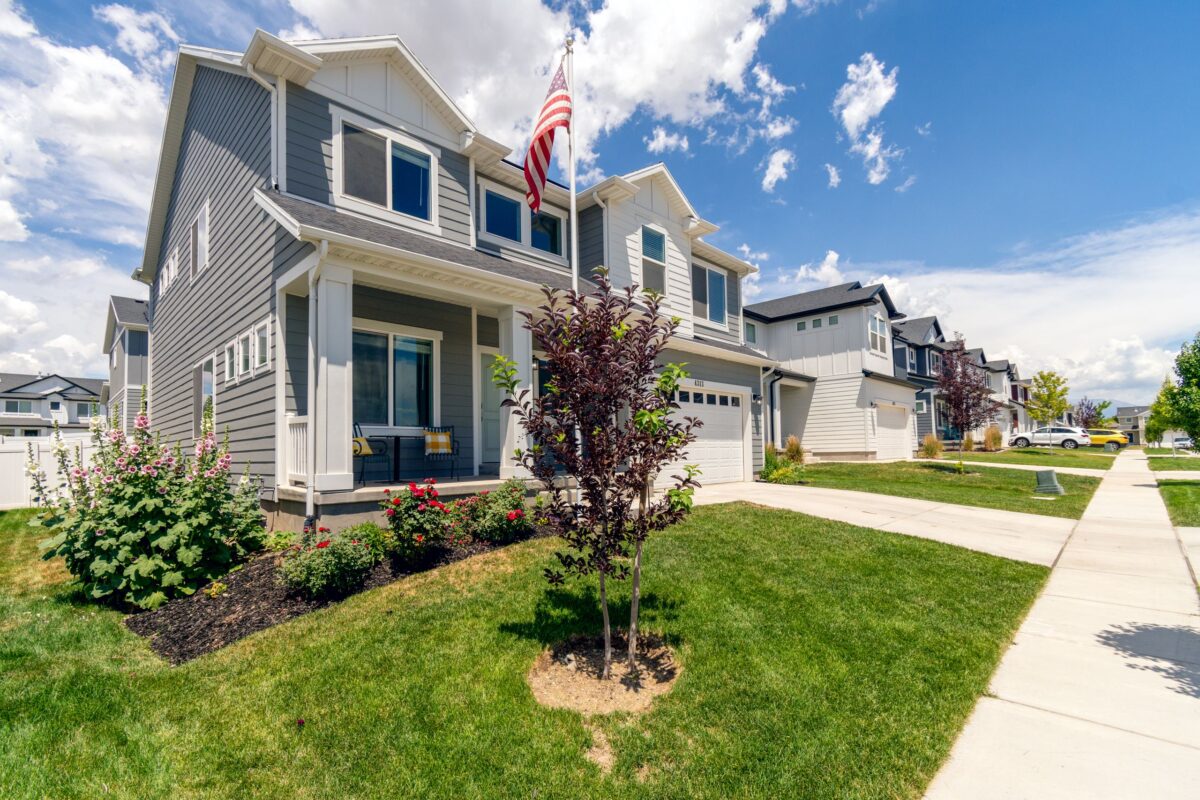
California has spent years struggling with a gap between housing demand and the number of available homes.
Major cities including Los Angeles, San Diego, San Jose, and Sacramento have faced rising rents, limited housing supply, and growing pressure on middle-income families.
Building new housing at scale can take years due to land costs, planning approvals, environmental reviews, and construction challenges.
ADUs provide a different approach. Instead of creating entirely new neighborhoods, they add housing to existing communities.
An ADU can take several forms:
- A detached backyard cottage
- A converted garage apartment
- An addition connected to the main house
- A converted section of an existing home
The concept has become increasingly attractive because it allows communities to increase housing options without dramatically changing established neighborhoods. For homeowners, the appeal is personal.
A retired couple may build an ADU and use rental income to support retirement. A family may create a private space for grandparents. A younger homeowner may use the additional income to help manage mortgage payments.
The backyard has become more than an outdoor space. It has become a potential financial asset.
California ADU Rules in 2026 Give Homeowners More Flexibility
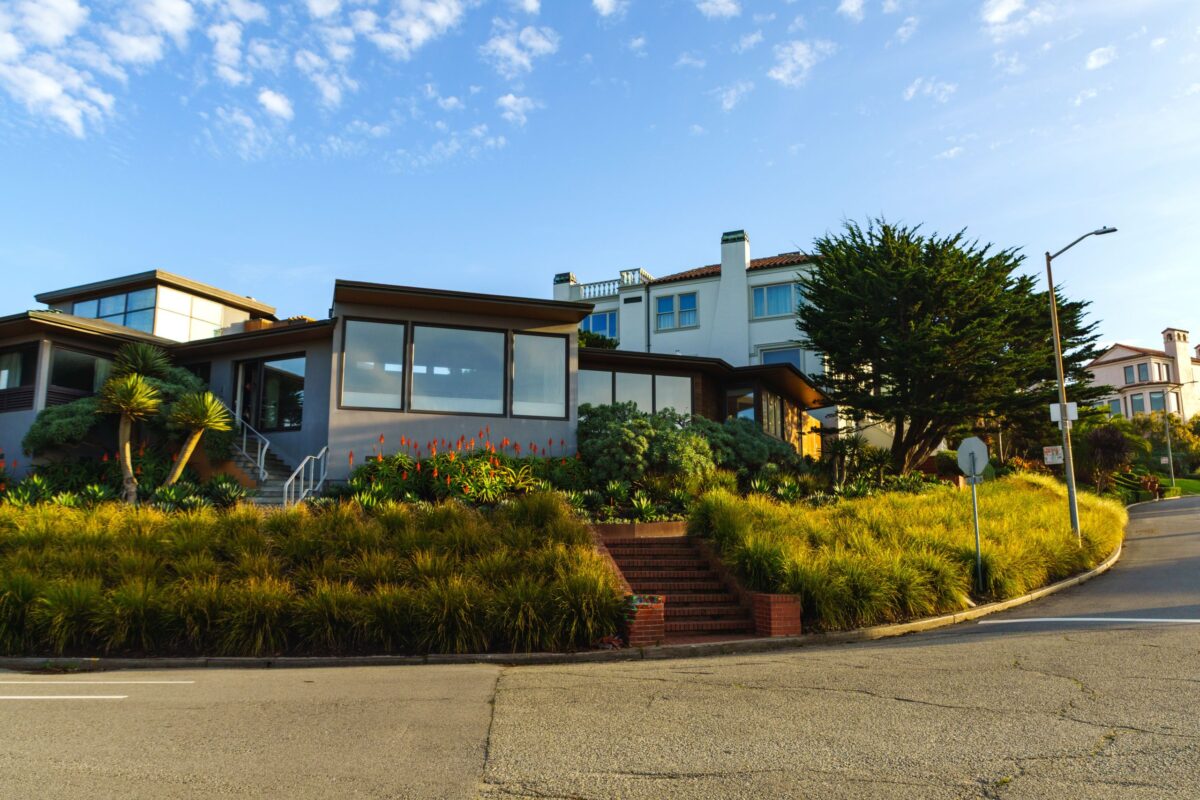
California’s ADU laws have changed significantly over the past several years as the state has attempted to remove barriers that prevented homeowners from building smaller housing units. The goal has been clear: make it easier, faster, and more affordable to create additional homes.
Under California’s statewide ADU framework, local governments generally cannot impose unreasonable restrictions that make ADUs impossible to build.
Many homeowners can build ADUs that include:
- Studio units
- One-bedroom apartments
- Two-bedroom homes
- Detached backyard residences
- Garage conversions
Size limits depend on factors such as the type of ADU, whether it is attached or detached, and local site conditions.
In many cases, California law allows ADUs of up to 850 square feet for smaller units and up to 1,000 square feet for larger units, with some detached ADUs reaching up to 1,200 square feet under certain conditions.
The exact rules still depend on the property.
Homeowners must consider:
- Lot size
- Building setbacks
- Height restrictions
- Fire safety requirements
- Utility connections
- Local zoning rules
The state has created more opportunities, but every backyard has its own challenges.
Faster Approvals Are Changing the ADU Building Process
One of the biggest complaints homeowners previously had about construction projects was uncertainty. Many people avoided building because they worried about complicated paperwork, long delays, and unclear requirements.
California’s ADU reforms have focused heavily on making the approval process more predictable. Cities and counties are required to follow state guidelines designed to streamline ADU applications. Local governments must review applications within specific timelines and clearly explain what changes are needed if an application is incomplete.
For homeowners, this creates a more structured path. Instead of navigating a confusing process with no clear timeline, applicants have stronger expectations about:
- Required documents
- Review procedures
- Construction standards
- Approval decisions
The goal is not simply to build more units.
It is to make the process realistic for ordinary homeowners.
The Financial Appeal: Why More Californians Are Building ADUs

The strongest motivation behind the ADU boom is often financial. California remains one of the most expensive housing markets in the United States, and many homeowners are looking for ways to maximize their property’s value.
An ADU can create several financial opportunities.
Additional Rental Income
A legal ADU can become a long-term rental, providing homeowners with monthly income. In high-demand areas, even a small apartment can generate significant revenue because of strong rental demand.
Multigenerational Living
California families are increasingly exploring multigenerational housing. An ADU allows relatives to live nearby while maintaining independence.
Parents can stay close to children. Adult children can save money while living in a separate space. Families can provide support without sharing one household.
Increased Property Value
A permitted ADU can make a property more attractive to buyers.
Future homeowners may see the extra unit as a valuable feature because it provides flexibility and income potential.
Long-Term Planning
Some homeowners build ADUs not for immediate rental income but for future needs.
A backyard home built today could later become a retirement space, a guest residence, or housing for family members.
The Challenges Behind California’s ADU Boom
Although ADUs offer major opportunities, building one is not as simple as placing a small house in the backyard.
Construction costs remain one of the biggest obstacles.
Prices can vary widely depending on:
- Location
- Design complexity
- Materials
- Labor availability
- Site preparation
- Utility upgrades
A homeowner may also face unexpected expenses involving plumbing, electricity, foundation work, or permits.
Financing can also be a challenge.
Unlike buying a traditional home, building an ADU often requires homeowners to explore options such as construction loans, home equity financing, or personal savings.
Planning mistakes can become expensive.
A poorly designed ADU may create delays or reduce the financial benefits homeowners expected.
Successful projects usually begin with realistic budgets, professional guidance, and a clear understanding of local requirements.
How ADUs Are Changing California Neighborhoods
The rise of backyard homes is changing the traditional idea of what a neighborhood looks like. For generations, many California communities were designed around single-family homes with one household per property.
ADUs are creating a different model. One property can now support multiple generations or multiple households while remaining part of the same neighborhood.
Supporters argue this creates more housing without requiring major redevelopment.
They believe ADUs can help:
- Increase rental availability
- Support aging populations
- Create affordable options
- Reduce housing pressure
However, some residents have raised concerns about parking, traffic, privacy, and infrastructure capacity. The debate reflects a larger question:
How can California create more housing while preserving the character of existing communities?
Who Benefits From California’s ADU Changes?
The growth of ADUs affects different groups in different ways.
Homeowners
They gain a new opportunity to increase property value and create income.
Renters
More ADUs could increase the supply of smaller housing units in expensive markets.
Families
ADUs provide flexible solutions for relatives and changing household needs.
Local Communities
Additional housing can help address shortages without requiring large developments.
However, access remains uneven.
Not every homeowner has the money, space, or ability to build an ADU.
For some residents, the opportunity represents financial freedom.
For others, construction costs remain a major barrier.
The Future of California Housing May Be Sitting in Backyards
California’s housing challenge will not be solved by one solution. The state needs a range of approaches, including new construction, rental housing, affordability programs, and creative uses of existing properties.
But ADUs have become one of the most visible changes because they give individual homeowners a role in solving a statewide problem. The idea is simple:
More homes can be created without waiting for entire neighborhoods to be rebuilt. A backyard can become a home for a family member. A garage can become a rental unit. An unused space can become an investment.
California’s 2026 ADU rules reflect a larger shift in how people view housing. A home is no longer just a place to live. It can also become a source of opportunity, flexibility, and financial security.
For thousands of homeowners across the state, the next chapter of California housing may not begin with a massive development project. It may begin just a few steps behind their own front door.