Angel Reese Controversy Explodes After WNBA Coach’s “Protected Species” Remark Leads to Suspension

The WNBA found itself at the center of another heated conversation after a comment involving Angel Reese and Toronto Tempo head coach Sandy Brondello sparked debate over language, race, and fairness in professional sports.
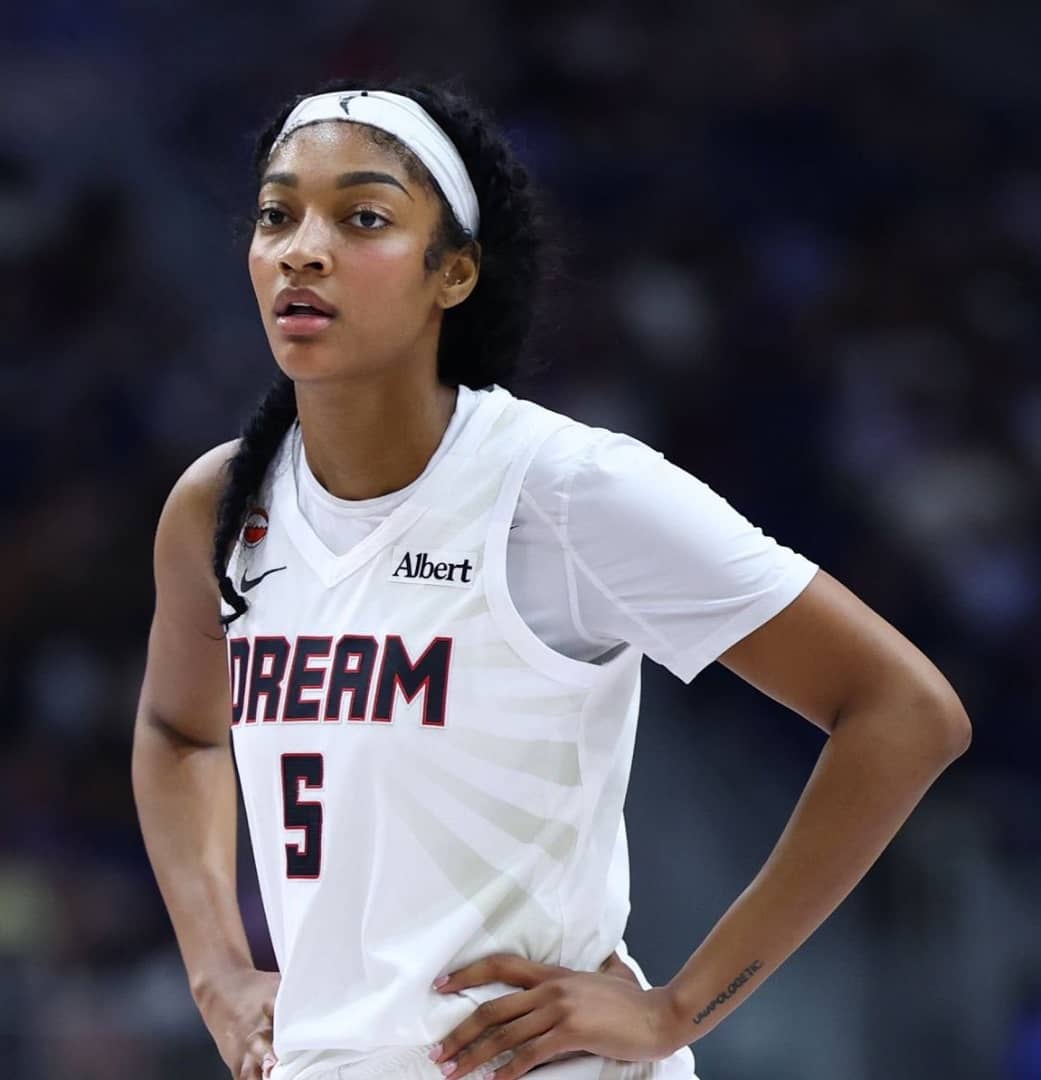
The controversy began during a game between the Atlanta Dream and the Toronto Tempo, when Brondello was heard making a comment about Reese in response to a foul call. The phrase that drew attention was “protected species,” a remark Brondello later apologized for, saying it was meant to criticize officiating rather than target Reese personally.
The incident quickly gained attention because Reese has become one of the most recognizable players in women’s basketball. Her performances, personality, and outspoken nature have made her one of the league’s biggest stars, but they have also placed her under intense public scrutiny.
The WNBA later announced disciplinary action against Brondello, suspending her for one game without pay for what the league described as an inappropriate comment.
A controversial moment during a tense game
The incident happened during a competitive matchup between Atlanta and Toronto. The dispute centered around a foul call involving Reese and Toronto player Nyara Sabally.
Brondello was frustrated with the decision and was caught making the comment while discussing Reese’s treatment by officials. The phrase quickly spread online, with fans and commentators debating its meaning and whether it crossed a line.
After the game, Brondello addressed the situation and apologized. She explained that her frustration was directed toward what she viewed as inconsistent officiating and not toward Reese because of her identity.
The coach acknowledged that the wording was inappropriate and that the comment could be interpreted differently than she intended.
Angel Reese says impact matters, not only intention
Reese responded publicly to the controversy, saying that comments can still be harmful even when someone claims they did not intend to offend.
The Atlanta star has previously spoken about the challenges of being a high-profile athlete. Since her college days at LSU and her move to the WNBA, Reese has frequently been involved in conversations about media coverage, criticism, and the way women athletes are treated.
Her response drew attention to a broader discussion in sports: whether people should be judged only by what they intend to say or also by how their words affect others.
Angel Reese’s Growing Spotlight Brings Bigger Pressure Beyond the Basketball Court
Angel Reese’s rise in women’s basketball has brought her fame, sponsorship opportunities, and a growing fan base, but it has also placed her under a level of attention few young athletes experience.
Every moment involving Reese, whether it happens during a game, in a post-game interview, or on social media, is often analyzed far beyond basketball. Supporters see her as a player who has helped bring more attention to the WNBA, while critics frequently debate her playing style, personality, and public image.
That level of visibility creates a unique challenge for athletes who become cultural figures. A single comment, foul call, or disagreement can quickly become a national discussion because the conversation is no longer only about what happened on the court.
Reese has previously spoken about handling criticism and the pressure that comes with being a highly recognized athlete. Her journey from LSU star to professional basketball player has made her one of the faces of the WNBA’s new generation.
The latest controversy shows how athletes today are often expected to navigate not only competition but also public conversations about identity, respect, and representation. For Reese, the spotlight continues to grow with every season, bringing both opportunities and challenges that extend far beyond the final score.
WNBA hands down a suspension after review
Following a review of the situation, the WNBA suspended Brondello for one game without pay.
The league’s decision underscored its expectation that coaches and players maintain professional standards, especially when comments involve sensitive topics.
The suspension also sparked broader debate among basketball fans.
Some supporters argued that the league was right to take action because professional sports figures have a responsibility to choose their words carefully. Others believed the phrase needed more context and that Brondello’s explanation should receive consideration.
A bigger conversation around language in sports
The controversy comes during a period when women’s basketball continues to grow in popularity and attract larger audiences.
With that increased attention comes greater public discussion of player treatment, online criticism, officiating, and how athletes are discussed by coaches, media members, and fans.
Reese’s rise has been a major part of that growth. The former LSU national champion has become a player who attracts strong reactions both on and off the court.
Her popularity has helped bring new viewers to the WNBA, but it has also meant that moments involving her often receive national attention.
What happens next for Reese and the WNBA
For now, the confirmed developments are straightforward: Brondello made the comment, apologized afterward, and received a one-game suspension from the league.
The disagreement over the meaning of the phrase continues among fans and sports commentators. Some see it as an inappropriate remark that required accountability, while others view it as a poorly chosen expression made during an emotional game.
The situation highlights how quickly words can become part of a much larger conversation in today’s sports world. For players like Reese, every moment on and off the court can become part of a national discussion.
As the WNBA continues to grow, incidents like this show that the league is not only being watched for what happens during games, but also for how teams, coaches, and players handle difficult conversations away from the scoreboard.