Trump Offers U.S. Support as Andy Burnham Takes Britain’s Top Job
Britain’s newest prime minister had barely settled behind the famous black door of 10 Downing Street before a call arrived from Washington. President Donald Trump spoke with Andy Burnham shortly after the former Greater Manchester mayor officially took office on July 20, 2026, opening a new chapter in the relationship between two governments confronting economic strain, military threats and widening global instability.
Trump described the exchange as a “very good conversation” and acknowledged that Burnham had “a big job ahead of him.” The president nevertheless expressed confidence in the British leader and promised that the United States would be available to help, wishing Burnham good luck as he began one of the most demanding positions in Western politics.
The warm message carried more weight than a routine congratulatory phone call. Burnham is entering Downing Street during a period of rapid political turnover in Britain, continuing international conflict and persistent economic frustration among British households. Trump’s early outreach suggested that Washington wants to preserve the longstanding U.S. relationship with Britain even as a new and ideologically different leader takes control.
A Friendly Call With Serious Issues on the Table
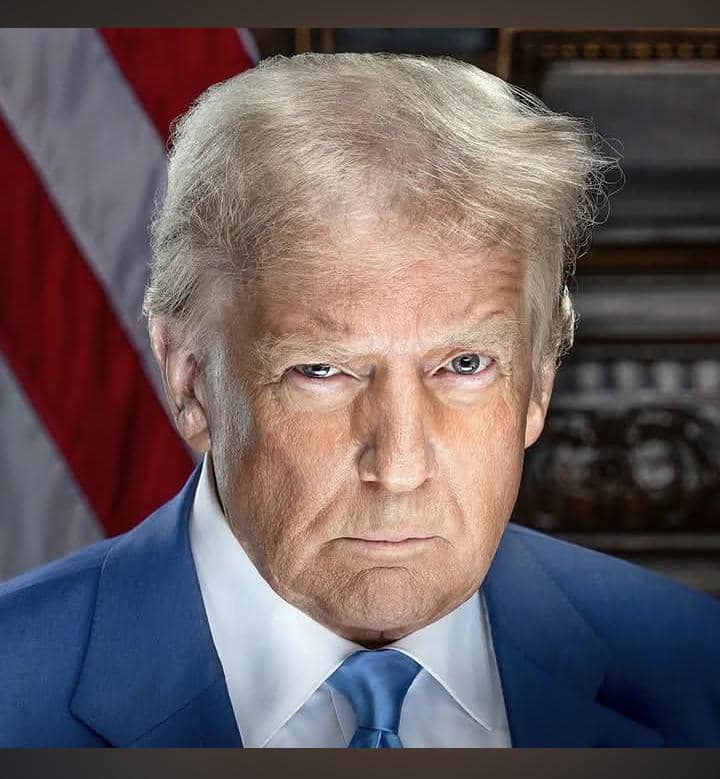
The conversation moved quickly beyond congratulations. Trump said the two leaders discussed trade, North Sea oil, the military alliance between their countries, and efforts to clear mines from the Strait of Hormuz. They also agreed to meet in the near future to continue discussions on shared interests.
The British government’s official account emphasized defense, national security and the economic importance of keeping shipping moving through the Strait of Hormuz. Burnham told Trump that protecting Britain and its allies would sit near the top of his agenda, while Trump provided an update on developments in the Middle East.
The shipping route has become particularly important because disruption in the strait can affect international energy supplies, transportation costs and household prices. Downing Street said Burnham stressed the need to protect global supply chains and reduce financial pressure on businesses and families.
The conversation also included a lighter opening. Burnham congratulated Trump following the World Cup and praised England’s performance in the tournament. He also suggested that a future visit could give the American president an opportunity to experience Manchester, the city that shaped Burnham’s political identity and national reputation.
That invitation carried a touch of political symbolism. Burnham spent nine years leading Greater Manchester, where he developed an image as a regional champion willing to challenge the authority and priorities of London. His years outside Westminster eventually helped transform him from a defeated Labor leadership candidate into the figure supporters nicknamed the “King of the North.”
Burnham Inherits a Country Looking for Stability
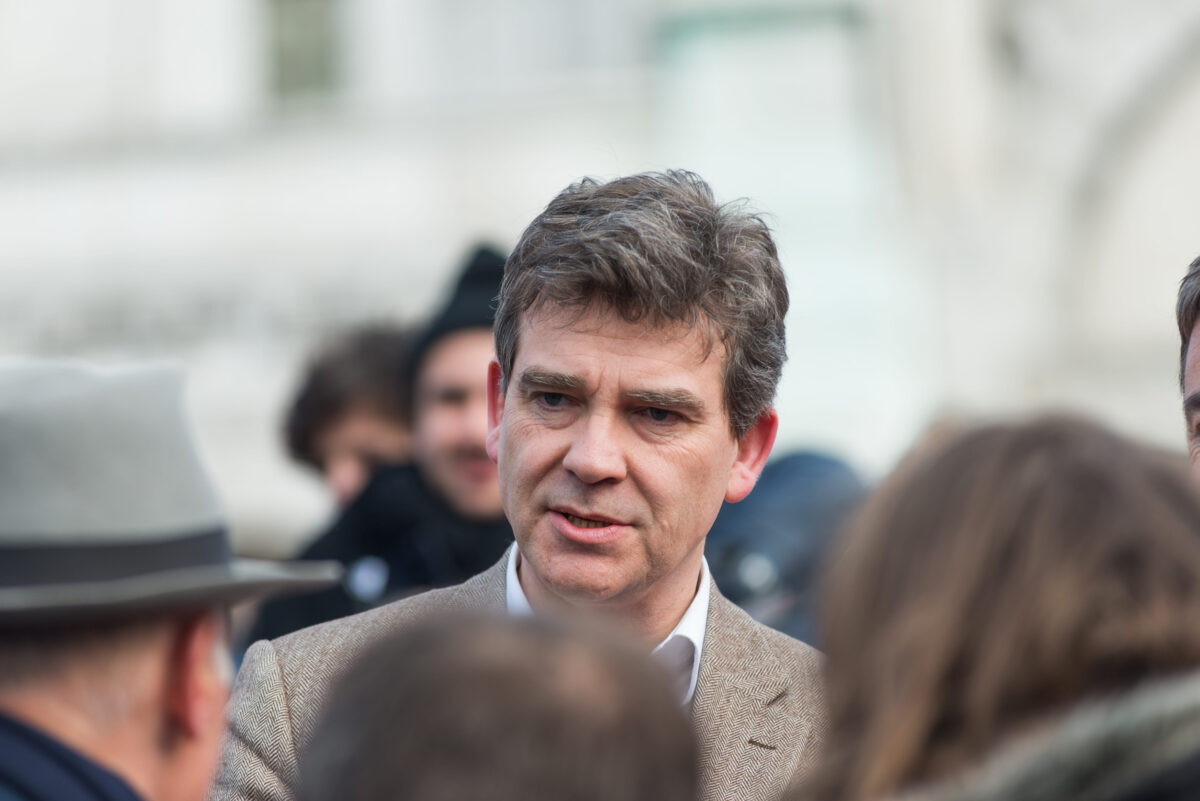
Burnham became Britain’s seventh prime minister since 2016 after replacing Keir Starmer as Labor leader. His arrival followed another turbulent transition in British politics, leaving the new government under immediate pressure to prove that it can offer greater stability than several of its predecessors.
Standing outside Downing Street after accepting King Charles III’s invitation to form a government, Burnham admitted that many people had become tired of politics. He promised to treat his arrival as a national “circuit breaker,” arguing that political power had become overly concentrated and that many communities had never fully recovered from decades of industrial decline.
His domestic promises are sweeping. Burnham has pledged to ease the cost-of-living crisis, return more authority to local communities, encourage British industrial development, expand council housing and work toward ending rough sleeping. He has also promised a 10-year national plan intended to reshape the economy and strengthen public control over essential services.
The scale of those ambitions explains Trump’s observation that Burnham faces a “big job.” Britain has experienced sluggish economic growth, pressure on public services and voter anger over living costs. Burnham has acknowledged that his government will face difficult financial choices and will have to determine which policies deserve priority.
His first Cabinet appointments also showed that he intends to put his own stamp on government. Burnham replaced several figures associated with Starmer, appointed John Healey as chancellor and brought Ed Miliband into the role of foreign secretary. Wes Streeting became defense secretary, while Shabana Mahmood remained home secretary.
The Special Relationship Faces an Early Test
Burnham and Trump come from very different political traditions. Burnham favors a larger government role in essential services and has promoted an approach described as business-friendly socialism. Trump has built much of his political identity around deregulation, domestic energy production and an “America First” approach to trade and security.
Those differences do not automatically prevent cooperation. Defense, intelligence sharing, trade and maritime security continue to connect the two countries regardless of which parties control Washington and Westminster. Burnham’s early commitment to NATO, defense spending and secure international shipping provides immediate areas where his government can work with the Trump administration.
Energy may prove more complicated. Trump has repeatedly promoted expanded oil and gas production, while Burnham must balance energy security, consumer prices, environmental goals and competing voices inside the Labor Party. Their discussion of North Sea oil suggests the issue could become one of the first major tests of the new relationship.
For now, both leaders appear interested in beginning on constructive terms. Trump offered encouragement rather than confrontation, while Burnham emphasized security, economic growth and continued cooperation with Washington. In a world where leadership changes can quickly unsettle alliances, their first call sent a simple message: Britain has a new prime minister, but the transatlantic partnership remains very much in business.