Trump Orders Federal Funds Shift Toward Massive Homeless Veterans Center
President Donald Trump has placed a long-neglected national problem back under the spotlight: thousands of American military veterans still lack a stable place to sleep.
A widely shared Facebook post claims Trump is redirecting money once used to house undocumented migrants and spending it on dedicated communities for homeless veterans. The central claim is based on a real presidential order, although some of the political language surrounding it goes further than the available evidence.
Trump signed an executive order on May 9, 2025, directing the Department of Veterans Affairs to transform its sprawling West Los Angeles campus into the National Center for Warrior Independence. The order calls for federal money that “may have been spent” on housing or services for undocumented immigrants to be redirected toward constructing, establishing, and maintaining the veterans center.
A National Campus Built Around Veterans

The plan is far more ambitious than opening another temporary shelter.
Trump ordered the VA to restore enough capacity at the Los Angeles campus to support as many as 6,000 homeless veterans by January 1, 2028. Veterans from outside Southern California could also be helped with transportation or other arrangements if they choose to receive services at the center.
Housing would represent only one part of the proposed campus. The executive order directs agencies to provide substance-use treatment, addiction services, employment support and programs designed to help veterans regain independence and reconnect with their communities. HUD was also instructed to use housing vouchers to support the effort.
That approach recognizes a difficult reality. Homelessness among veterans is rarely solved by handing someone a key and walking away. Some former service members need mental-health care, help navigating disability benefits, employment assistance or treatment for conditions that became worse after military service.
The West Los Angeles location carries enormous symbolism. The property was originally intended to benefit veterans, but portions of the campus were leased over the years to private organizations and other outside groups. Trump’s order described reclaiming the campus as part of restoring its original mission.
The Project Is Beginning to Take Shape
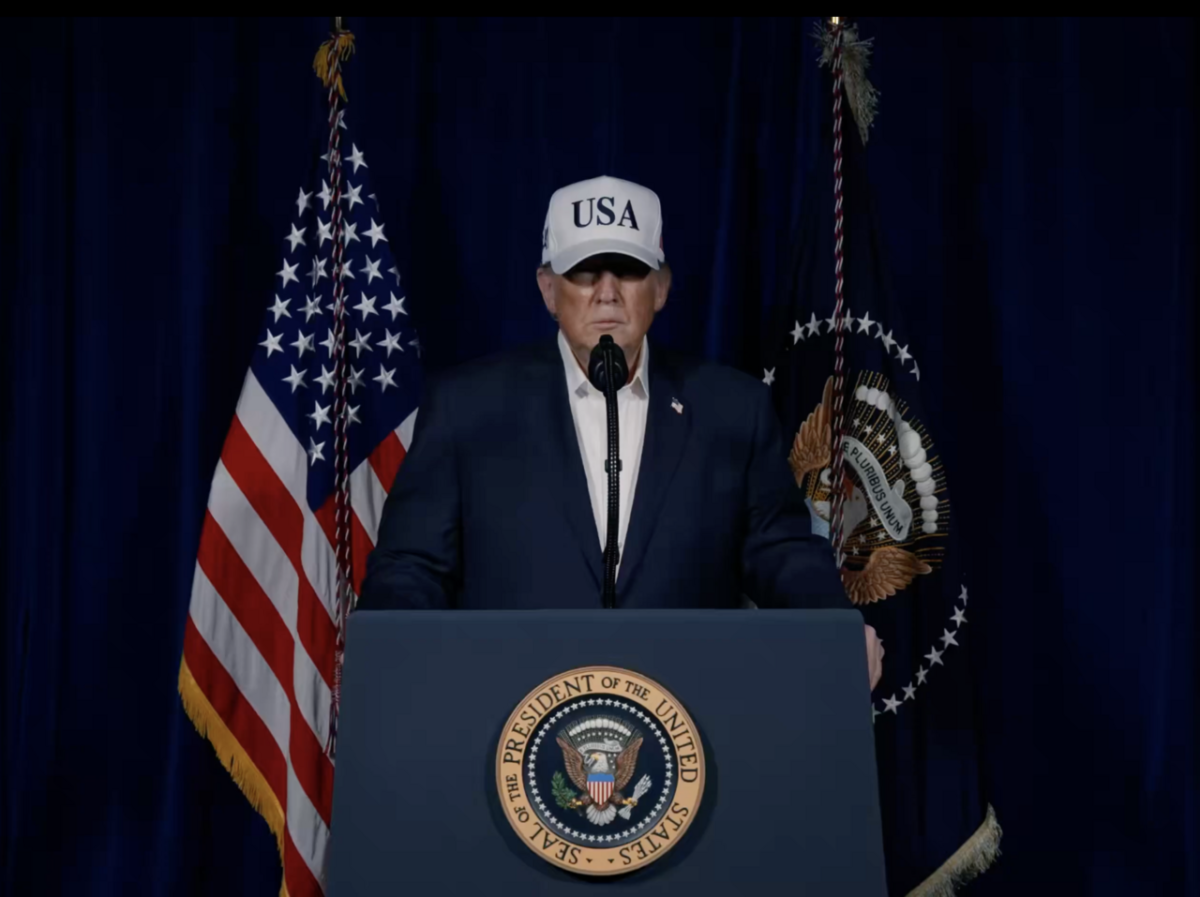
The initiative has moved beyond the announcement stage, although the full center remains years away from completion.
In February 2026, the VA terminated two leases and a revocable license involving property on the West Los Angeles campus. The department said reclaiming the land would clear the way for construction and allow the site to be used more directly for veteran housing and services.
VA Secretary Doug Collins said the campus would become a place where homeless veterans could find “housing and support on their journey back to self-sufficiency.” The agency has continued to describe the 6,000-veteran goal as a mixture of housing, clinical care and rehabilitation services rather than 6,000 identical permanent apartments.
The administration’s fiscal year 2027 budget proposal includes $500 million to support the National Center for Warrior Independence. Separate construction plans identify proposed renovations involving medical facilities, temporary clinical housing, rehabilitation programs and sober-living transitional accommodation.
Those figures give the project financial weight. However, Congress still controls federal appropriations, meaning requested funding must survive the budget process before every proposed dollar becomes available.
The executive order also does not identify a precise migrant-housing account, a final amount transferred from such programs or a detailed ledger showing which spending was moved. It directs agencies to locate and redirect eligible funds, but the broader claim that one administration simply chose migrants instead of veterans is a political interpretation rather than a conclusion established by the order itself.
A Crisis That Has Improved but Not Disappeared
The national numbers explain why the project resonates so strongly.
On a single night in January 2025, an estimated 32,495 veterans were experiencing homelessness across the United States. That included 18,977 veterans in shelters and 13,518 living without shelter. The total represented a record low and a 56.1 percent decline since 2010, but it still meant tens of thousands of people who served their country lacked secure housing.
The VA also permanently housed 51,936 homeless veterans during fiscal year 2025, its highest total in seven years. More than 96 percent of those veterans remained housed at the end of the fiscal year, demonstrating that existing VA partnerships, vouchers and supportive-housing programs continue to produce measurable results.
Trump’s center will therefore join a broader system rather than replace every existing veteran-housing program. Its success will depend on construction timelines, congressional funding, qualified staff and the ability to connect veterans with permanent homes after treatment or transitional care.
Still, the principle behind the project is difficult to dismiss. Men and women who carried the responsibilities of military service should not be left sleeping in vehicles, tents or dangerous encampments.
The National Center for Warrior Independence gives that belief a physical address, a federal deadline and a major funding proposal. The test of leadership will now be whether the administration can turn the promise of 6,000 places into safe housing, effective treatment and lasting independence for the veterans who need them most.