Saudi Nuclear Deal Puts Washington at the Center of a New Nuclear Debate
For decades, the Middle East’s nuclear question has been shaped by one difficult challenge: how to expand peaceful nuclear energy while preventing a dangerous arms race. Now, the reported Saudi nuclear deal has placed that debate back at the center of global attention, with Washington facing questions over whether a civilian energy partnership could create new strategic risks.
The agreement reportedly approved by President Donald Trump could allow Saudi Arabia to develop uranium enrichment capabilities as part of a broader civilian nuclear program. Supporters argue that the deal could strengthen U.S. influence, create economic opportunities for American companies, and keep Saudi Arabia tied to strict oversight. Critics warn that allowing enrichment technology in another Middle Eastern country could reshape regional security calculations for decades.
The proposed partnership is expected to last for 30 years and could involve American companies supporting Saudi Arabia’s nuclear ambitions. However, the most controversial issue is not the construction of nuclear reactors. It is whether Saudi Arabia should be allowed to control a part of the nuclear fuel cycle that has historically carried significant security concerns.
The debate surrounding the Saudi nuclear deal reflects a much larger question facing world powers. Can nuclear energy expansion continue without increasing the risk of nuclear competition? The answer may influence not only Saudi Arabia and the United States, but also Iran and other countries watching closely.
Behind Saudi Arabia’s Nuclear Push Is a Bigger Energy Transformation

Saudi Arabia has spent years trying to reduce its dependence on oil revenue and build a more diversified economy. Nuclear energy fits into that broader strategy by offering another source of electricity for a country with rapidly growing energy demands.
The kingdom consumes large amounts of energy domestically, particularly for air conditioning, industrial development, and desalination. Nuclear power could help Saudi Arabia preserve more oil and gas resources for export while supporting long-term economic goals.
The Saudi nuclear deal is therefore not only about international politics. It is also connected to Saudi Arabia’s vision of becoming a more technologically advanced economy. A domestic nuclear sector could create engineering opportunities, research programs, and specialized industries.
However, uranium enrichment makes the discussion far more complicated. Many countries operate civilian nuclear reactors without developing enrichment facilities. Enrichment creates a higher level of technical capability because the same technology used for reactor fuel can also produce material with military applications.
That distinction explains why the Saudi nuclear deal has attracted so much international attention. The question is not whether Saudi Arabia can generate electricity through nuclear power. The question is whether it should develop the ability to produce its own nuclear fuel.
For Washington, the decision involves balancing economic interests with security concerns. Rejecting Saudi Arabia’s request could push Riyadh toward other international partners, while approving it could create concerns about future nuclear competition.
Uranium Enrichment Is the Technology Changing the Conversation
Uranium enrichment sits at the heart of the controversy surrounding the Saudi nuclear deal. The process increases the concentration of uranium-235, allowing nuclear fuel to support energy production in reactors.
Most commercial nuclear power plants use low-enriched uranium, usually at levels suitable for civilian electricity generation. Higher levels of enrichment, however, can create material that raises serious security concerns.
This does not mean every country with enrichment technology intends to build nuclear weapons. Several nations operate enrichment programs under international agreements and inspections. The concern is that enrichment capability provides technical knowledge and infrastructure that could become strategically valuable during a crisis.
The history of nuclear development shows why enrichment receives so much attention. Countries often seek nuclear technology for energy, scientific research, or national prestige. Yet the same expertise can influence military calculations and regional power balances.
The Saudi nuclear deal must therefore be judged not only by current intentions but also by how safeguards operate over time. A program that appears secure today must remain secure through political changes, regional conflicts, and future leadership decisions.
International monitoring will become one of the most important parts of the agreement. The strength of inspections, transparency requirements, and enforcement mechanisms could determine whether the program remains a civilian energy project.
The Iran Question Makes the Saudi Nuclear Deal Even More Complicated
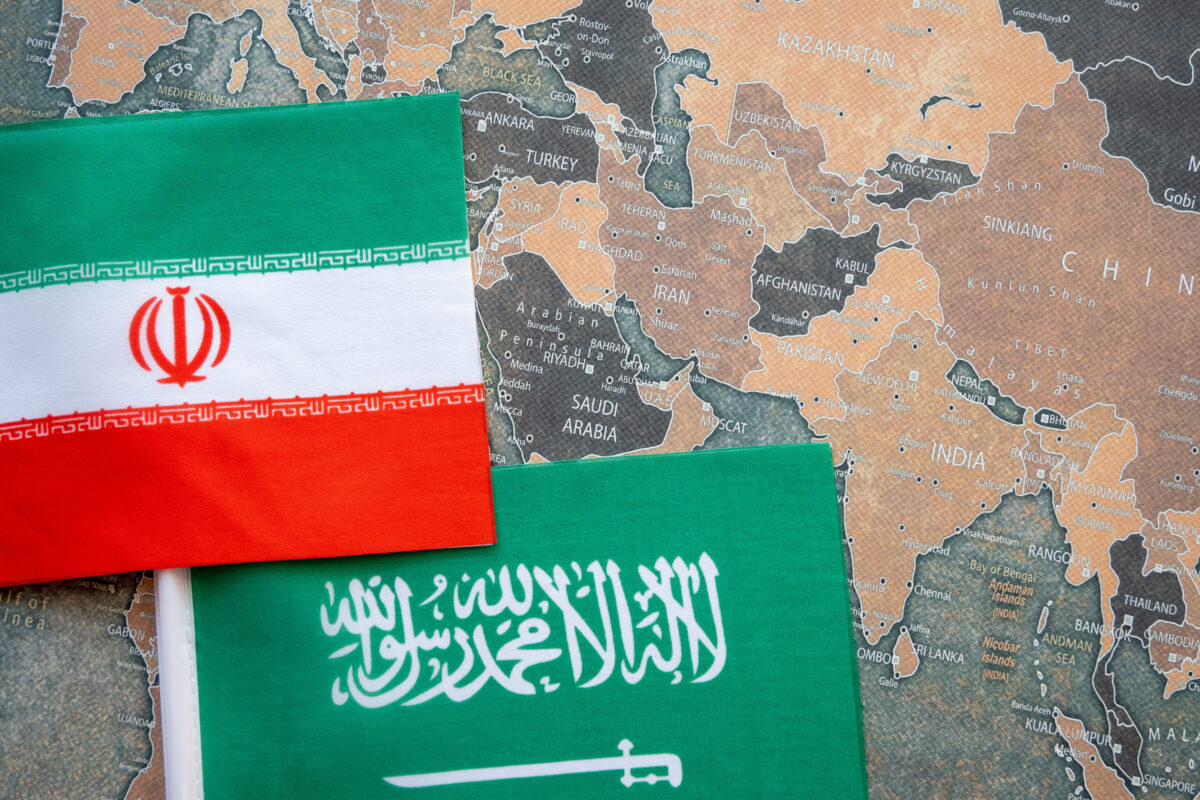
The timing of the Saudi nuclear deal has increased political pressure because of the long-running dispute over Iran’s nuclear program. For years, the United States has argued that Iran’s enrichment activities represent a major security challenge.
Iran has maintained that its nuclear program is peaceful and designed for civilian purposes. Western governments, however, have expressed concerns about Iran’s enrichment capacity, past disputes with inspectors, and the possibility that advanced nuclear infrastructure could shorten the path toward weapons development.
The possibility of Saudi Arabia gaining enrichment capability creates a difficult diplomatic situation. Iranian leaders could argue that Washington is applying different standards to different countries.
The comparison is politically powerful, even though Saudi Arabia and Iran have different histories and relationships with international institutions. Saudi Arabia has maintained close security ties with Washington, while Iran has spent decades in conflict with U.S. policy.
The Saudi nuclear deal could therefore influence Tehran’s future decisions. If Iran believes regional rivals are gaining similar capabilities, domestic pressure could grow for maintaining or expanding its own nuclear infrastructure.
The issue demonstrates how nuclear policy is rarely limited to technology. It is also about perception, trust, and the way countries interpret each other’s actions.
A Thirty-Year Agreement Must Survive More Than One Generation of Leaders
One of the biggest challenges facing the Saudi nuclear deal is its long timeline. A 30-year agreement must operate through political changes that cannot be predicted today.
The leaders negotiating the agreement now may not be the leaders managing the program decades later. International relationships can change, governments can shift priorities, and regional conflicts can create unexpected pressure.
That reality makes nuclear agreements different from ordinary economic partnerships. They require systems that remain reliable even when political relationships become complicated.
Supporters argue that long-term U.S. involvement provides the best opportunity for transparency. They believe American companies and regulators can create stronger safeguards than countries with fewer restrictions.
Critics respond that agreements must be designed around worst-case scenarios, not only current cooperation. They argue that a future crisis could test whether existing protections are strong enough.
The Saudi nuclear deal will ultimately depend on whether its safeguards are built to survive political uncertainty. A successful agreement must work not only when allies cooperate, but also when tensions rise.
The UAE Example Shows Why Saudi Arabia’s Request Stands Out
The United Arab Emirates provides an important comparison in the Gulf region. The UAE developed a civilian nuclear program with international assistance and built the Barakah Nuclear Power Plant.
However, the UAE accepted restrictions that prevented it from pursuing domestic uranium enrichment and spent-fuel reprocessing. That decision became widely viewed as a strong example of nuclear restraint.
Saudi Arabia’s approach is different. Riyadh has argued that it should maintain the same rights available to other countries under international nuclear agreements, including the possibility of developing enrichment capabilities.
That difference has become one of the central issues in the Saudi nuclear deal debate. The UAE demonstrated that a Gulf country could develop nuclear energy without controlling enrichment technology.
The Saudi position raises a broader policy question. If one U.S. partner receives permission to pursue enrichment, will other countries demand similar treatment?
The answer could influence the future of nuclear diplomacy beyond the Middle East.
Washington’s Nuclear Decision Could Create a Wider Regional Ripple Effect
The most significant concern among critics is not an immediate nuclear weapons program. The deeper concern is whether the Saudi nuclear deal could encourage a wider regional competition.
The Middle East already contains several overlapping security disputes. Countries often respond to their neighbors’ military capabilities by adjusting their own strategies.
A Saudi enrichment program could become a factor in future calculations by Iran and other regional powers. Even a peaceful nuclear program could influence how governments assess their own security needs.
This is why nuclear experts focus heavily on precedent. Decisions involving one country can affect how others view international rules.
The United States faces a difficult choice. Restricting Saudi Arabia could reduce proliferation risks but may weaken American influence. Supporting the program could strengthen the alliance but create questions about consistency.
The challenge is finding a balance between strategic cooperation and maintaining confidence in global nuclear safeguards.
Congress Holds the Key to America’s Next Nuclear Test
The Saudi nuclear deal is expected to face review under U.S. nuclear cooperation rules. Congress will examine whether the agreement provides enough protection against misuse and whether the safeguards match American nonproliferation goals.
Lawmakers are likely to focus on inspection rights, technology controls, enrichment limits, and enforcement measures. The details of the agreement will determine whether critics see it as responsible cooperation or an unnecessary risk.
Supporters will likely argue that U.S. involvement is better than leaving Saudi Arabia to pursue nuclear partnerships elsewhere. They believe American oversight provides greater transparency and influence.
Opponents will question whether economic and strategic benefits justify expanding enrichment capabilities in another country. They will likely compare the agreement with previous nuclear cooperation models, especially the UAE arrangement.
Congress now faces a decision that goes beyond one partnership. It must consider what message the Saudi nuclear deal sends about the future rules of nuclear cooperation.
The Saudi Nuclear Deal Could Define America’s Nuclear Strategy for Decades
The Saudi nuclear deal represents a crossroads for U.S. foreign policy. It combines energy ambitions, economic competition, regional security concerns, and the challenge of maintaining nuclear restrictions in an increasingly competitive world.
Saudi Arabia sees nuclear power as part of its economic future. The United States sees cooperation as a way to maintain influence and support its own nuclear industry. Critics see the possibility of creating new risks that could emerge years later.
The final impact of the agreement will depend on details that have not yet been fully revealed. Strong monitoring, clear restrictions, and reliable enforcement will determine whether the partnership becomes a model for responsible nuclear development or a source of future tension.
The most important question may not be whether Saudi Arabia can build a nuclear program. The larger question is whether the world can create nuclear partnerships that remain secure when politics, alliances, and security challenges inevitably change. The answer could shape the future of nuclear diplomacy for generations.