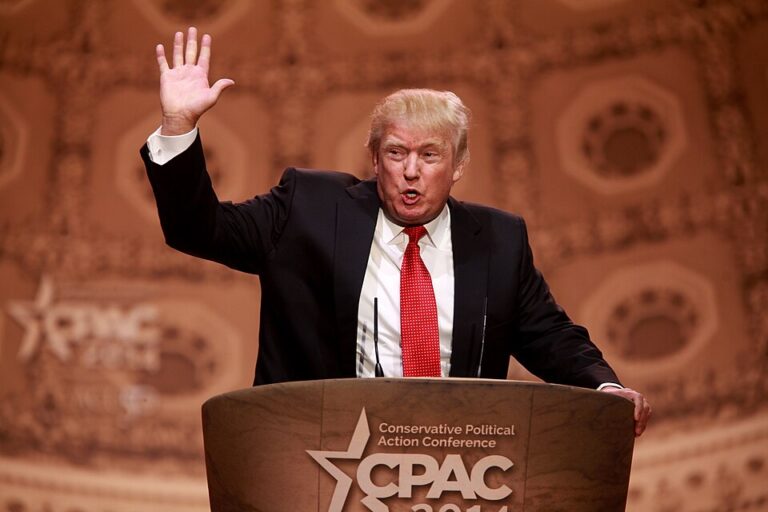
Trump Unveils New Tariffs on 60 U.S. Trading Partners as Global Trade Tensions Escalate.
President Donald Trump has rebuilt the core of his global tariff system just as one of its most important temporary supports was about to disappear.
The United States is imposing additional tariffs of 10% or 12.5% on imports from 60 trading partners, a group that collectively accounts for roughly 99% of goods entering the American market. The administration says the countries have failed to impose or properly enforce bans on products made with forced labor.
The announcement carries the language of human rights enforcement, but it also serves a pressing political and economic purpose. It allows Trump to preserve a wide tariff system after the Supreme Court struck down the emergency powers he had previously used to impose sweeping import taxes.
The legal authority has changed. The central strategy has not.
A Tariff Deadline Was Closing In
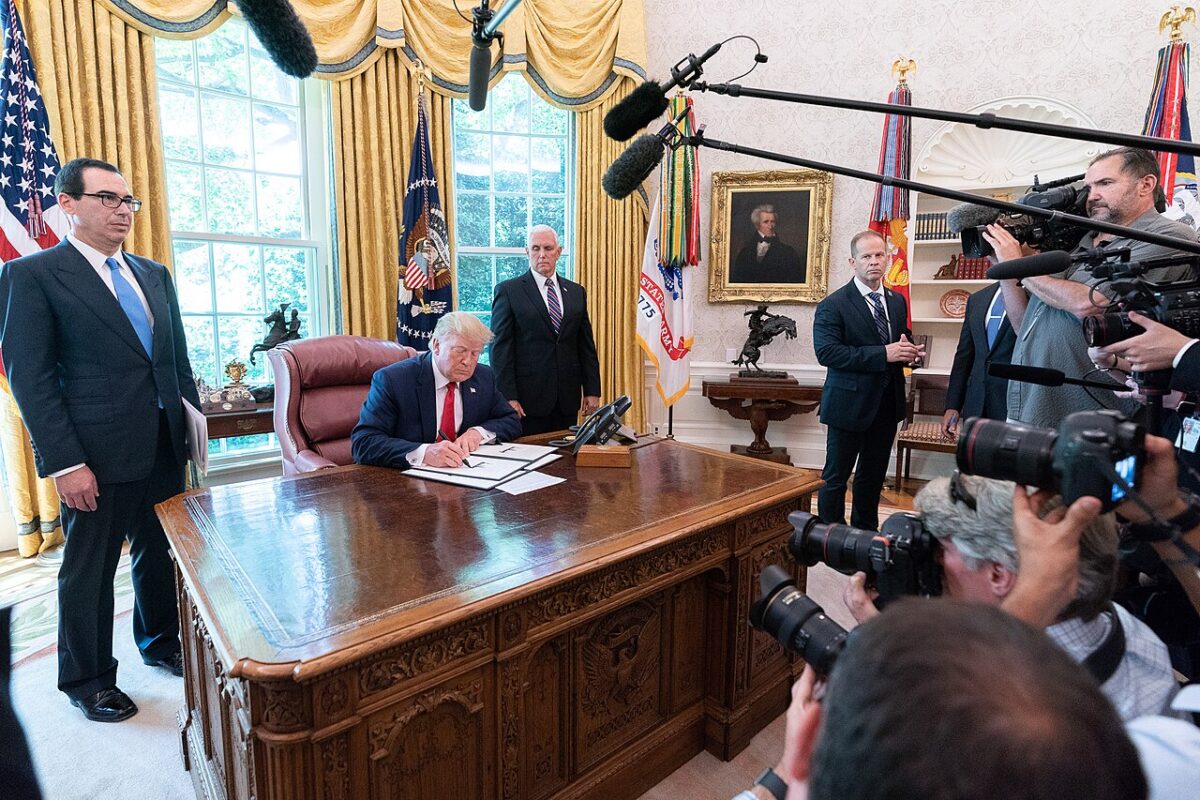
The new duties were unveiled as a temporary 10% worldwide tariff approached its expiration at 12:01 a.m. on Friday, July 24.
Trump introduced that stopgap measure after the Supreme Court rejected his use of the International Emergency Economic Powers Act to impose broad tariffs. Following the ruling, the president formally ended several tariff actions based on that emergency law and began searching for other statutory routes to continue his trade campaign.
The temporary levy gave the administration time, but not unlimited time. It was imposed through Section 122 of the Trade Act of 1974, which allows a president to respond to serious international payments problems but limits the duration of the action without congressional approval.
Rather than allow the tariff wall to collapse when the deadline arrived, the White House turned to another part of the same law.
The replacement tariffs are based on Section 301, a powerful provision that authorizes the United States to respond when a foreign government engages in practices considered unreasonable, discriminatory, or harmful to American commerce.
It is the same legal tool Trump used during his first term to impose extensive tariffs on China. Unlike the emergency authority rejected by the Supreme Court, Section 301 has a long history in American trade policy and includes a formal investigation and public-comment process.
That makes it slower to use, but potentially more durable.
Forced Labor Becomes the New Legal Foundation
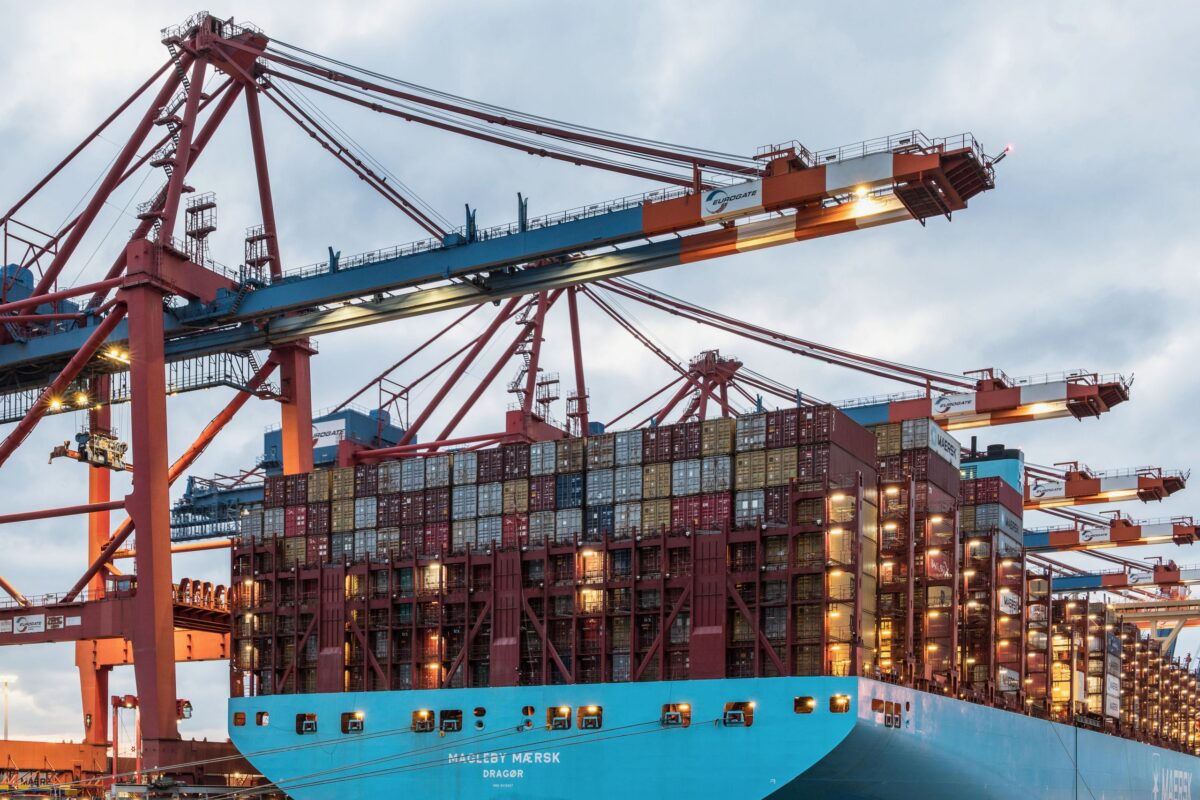
The administration’s case centers on the global trade in products made through forced labor. The Office of the United States Trade Representative opened investigations into 60 economies in March. It examined whether those governments had adopted and effectively enforced restrictions preventing goods made with forced labor from entering their markets.
USTR ultimately determined that 54 economies had failed both to impose and enforce an adequate prohibition. Six others, Canada, Ecuador, the European Union, Indonesia, Mexico and Pakistan, were found to have restrictions in place but to be enforcing them inadequately.
The agency concluded that these failures gave companies using forced labor an unfair cost advantage, weakened businesses that followed higher labor standards and allowed prohibited goods to move through third countries before potentially reaching the United States.
USTR said the practices burdened or restricted American commerce and could therefore be challenged under Section 301.
The final action followed two rounds of public hearings, engagement with foreign governments and more than 2,100 public submissions. The administration also reviewed over 1,600 comments on the proposed tariff response and heard testimony from more than 100 witnesses during July hearings.
That process gives the new tariffs a more carefully constructed legal record than the emergency levies struck down earlier in the year.
It also gives the White House a powerful answer to critics who argue that the forced-labor issue is merely a convenient excuse. The administration can point to months of investigations, written findings and public testimony.
Still, the timing makes the wider objective difficult to ignore. The forced-labor tariffs arrive precisely as the temporary global levy expires. Their rates also sit close to the 10% stopgap duty they are replacing.
How the Countries Were Divided
The administration created two main tariff groups. Economies that already impose a forced-labor import prohibition, have made commitments through trade agreements, or operate a partial system preventing certain forced-labor goods from entering their markets generally face a 10% additional tariff.
The higher 12.5% rate applies to economies judged to lack an effective prohibition.
Countries and markets affected by the action include China, Japan, India, South Korea, Australia, Brazil, the European Union, the United Kingdom, Canada and Mexico. The list also covers important manufacturing and supply-chain hubs such as Malaysia, Vietnam, Thailand, Taiwan and Bangladesh.
The scope is extraordinary. It reaches wealthy allies, developing economies, major geopolitical rivals and countries with which the United States already has close trade agreements.
The United Kingdom qualifies for the lower rate because USTR recognized that it has introduced a partial system aimed at blocking certain goods linked to forced labor. Several economies also received the 10% rate because they made relevant commitments through reciprocal trade agreements.
The difference between 10% and 12.5% may appear small, but for companies importing goods worth hundreds of millions of dollars, an extra 2.5 percentage points can reshape sourcing decisions, contracts and profit margins.
The Tariffs Will Not Cover Everything
Although the action is broad, it is not absolute. The framework includes product-specific exclusions and protections for several politically or economically sensitive categories. Informational materials, humanitarian donations, and accompanied personal baggage are excluded.
Goods already covered by certain national-security tariffs under Section 232 are also generally protected from an additional layer of these duties. Qualifying Canadian and Mexican products entering under the United States-Mexico-Canada Agreement are excluded as well.
Some textile and apparel imports from Central American trade partners may continue entering duty-free under existing arrangements.
USTR has also developed a mechanism allowing limited quantities of apparel and textile products from certain countries to receive reduced tariff treatment. Access would be linked partly to how much American cotton, fiber or other textile material those countries purchase.
That provision does more than soften the tariffs. It creates an incentive for foreign manufacturers to buy more American raw materials if they want easier access to the U.S. clothing market.
In other words, the tariff policy is not simply a wall. It is also a bargaining system.
American Importers Pay at the Border
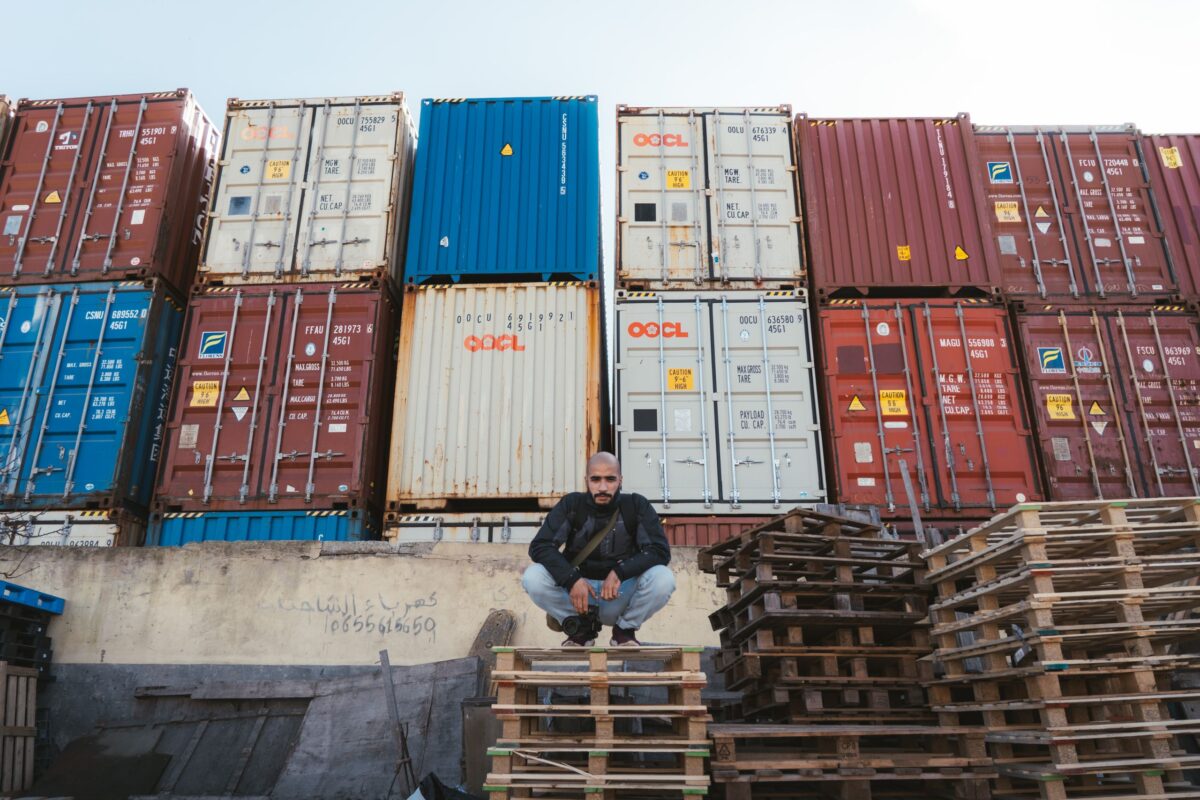
Trump regularly describes tariffs as payments imposed on foreign countries. Legally, however, the charge is collected from the American company importing the product. That importer must decide what happens next.
A large retailer may pressure its foreign supplier to lower the wholesale price. A manufacturer may absorb part of the tariff to avoid losing customers. A smaller business with narrow margins may have no choice but to raise prices.
The outcome depends on competition, contracts, currency movements and the availability of alternative suppliers.
The risk for American companies is that the new duties apply across so much of the trading world that escaping them may be difficult. Moving production from one affected country to another may replace a 12.5% tariff with a 10% tariff.
Businesses must now examine product classifications, country-of-origin rules, exemptions, trade-agreement eligibility and existing sectoral tariffs before calculating the true cost of an imported item.
Professional-services firms have warned companies to review supply chains, supplier contracts and sourcing strategies because the tariffs could create high new costs across numerous industries.
The effect may not appear immediately as a dramatic price shock. It could emerge gradually as older inventories are sold, new shipments clear customs and companies renegotiate annual contracts.
A Human Rights Policy With an Economic Edge
The administration argues that the tariffs defend both vulnerable workers abroad and law-abiding companies at home.
U.S. Trade Representative Jamieson Greer has said American businesses should not be forced to compete against products made cheaper through coercive labor practices. He has also argued that persuasion alone has failed to persuade governments to close their markets to such goods.
That case carries moral force. Forced labor remains embedded in parts of the global economy, including agriculture, mining, fishing, construction, textiles and manufacturing.
Yet the tariff program also reveals how quickly human rights concerns can become instruments of economic strategy.
Instead of banning only individual shipments tied to proven abuses, Washington is imposing countrywide duties based on the strength of each government’s import-control system.
That approach creates pressure far beyond the companies directly accused of using forced labor. A legitimate exporter with no connection to abusive practices may still face a tariff because its government failed Washington’s broader policy test.
The result is a measure that combines labor enforcement, industrial policy and commercial leverage in one package.
Trump’s Trade Agenda Survived the Supreme Court
The most important fact about the announcement may be what it proves politically. The Supreme Court dealt Trump’s tariff strategy a serious defeat, but it did not end it.
The administration responded by moving away from a single, sweeping emergency justification and toward a network of older trade laws. Section 301 can address practices considered harmful to American commerce. Section 232 can target imports linked to national security. Other provisions can be used against countries accused of discriminating against U.S. products.
Each measure has its own legal basis, investigation and exemptions. That makes the system more complicated for businesses, foreign governments and courts. It may also make the overall tariff structure harder to dismantle through one lawsuit.
Further legal challenges remain possible. Importers could question whether the tariffs are proportionate to the forced-labor findings or argue that the investigations were designed primarily to recreate duties that the Supreme Court had already rejected under another law.
For now, however, the White House has achieved its immediate goal. The temporary tariff is disappearing, but the elevated cost of importing goods into the United States is not.
Trump has replaced a vulnerable global levy with a more carefully constructed set of country-based tariffs, backed by investigations, public hearings and one of the strongest enforcement tools in American trade law.
The tariff wall did not fall. It was rebuilt on a different foundation.