Oil Breaks $100 as Red Sea Tanker Attacks Put Global Energy Supply on a Knife Edge
Global oil markets have crossed a dangerous line. Brent crude moved above $100 a barrel after attacks on Saudi tankers in the Red Sea intensified fears that the Middle East conflict could disrupt an energy route. Brent settled at $100.69, up 7 percent, while U.S. West Texas Intermediate climbed 6.2 percent to $92.19. Traders are reacting to attacks, falling inventories, longer tanker routes, and uncertainty around two maritime chokepoints.
The latest pressure came after Yemen’s Iran-aligned Houthi movement claimed attacks on tankers carrying Saudi oil through the Red Sea. One vessel reportedly caught fire, though no casualties were announced. The incidents raised danger near the Bab el-Mandeb Strait.
Red Sea Attacks Threaten a Key Saudi Export Route
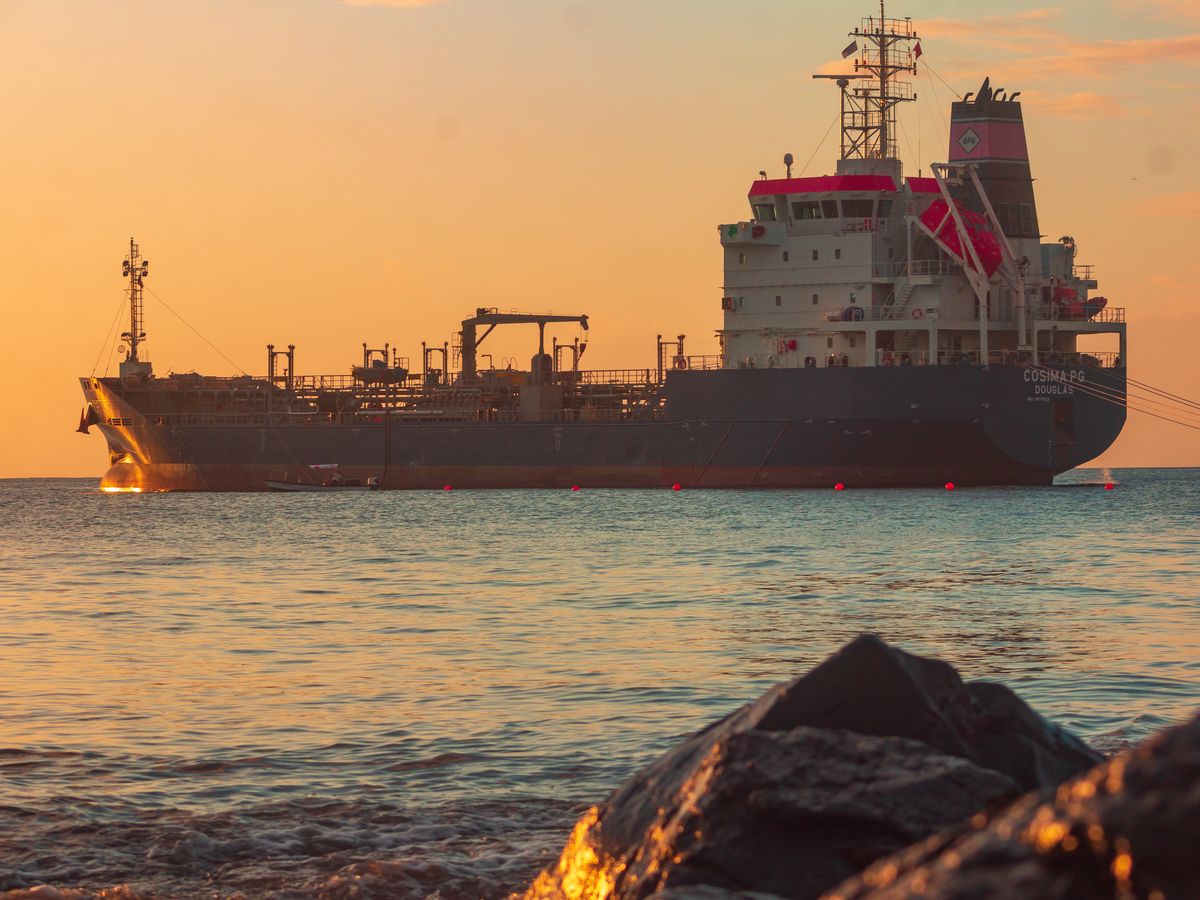
Saudi Arabia had been using its East-West pipeline to move crude toward the Red Sea port of Yanbu, helping exporters reduce dependence on the Strait of Hormuz. That route offered an alternative as instability disrupted Gulf shipping.
Now the Red Sea itself is under pressure. If tankers cannot safely use Bab el-Mandeb, Saudi Arabia’s main alternative to Hormuz becomes less reliable. Markets can absorb disruption at one route by shifting cargoes elsewhere. They become vulnerable when both routes face threats.
Hormuz and Bab el-Mandeb Are Both Under Strain
The Strait of Hormuz remains the world’s most important oil transit route. About one-fifth of global petroleum consumption normally passes through the waterway. Recent conflict has reduced flows, forcing Gulf producers to rely on pipelines, alternative ports, and emergency stock releases.
Bab el-Mandeb is also critical. It links the Gulf of Aden with the Red Sea and provides access to the Suez Canal. Around 12 percent of global trade and roughly one-quarter of container traffic usually pass through the route.
A complete blockade is not required to move prices. A missile strike, drone attack, tanker fire, or credible threat can push shipping companies away. Insurers raise premiums, shipowners change routes, and buyers pay more for secure cargoes. Fear alone can tighten markets before the full loss of supply is known.
Rerouting Around Africa Adds Time and Cost
Tankers can avoid the Red Sea by sailing around the Cape of Good Hope, but that option is expensive. The longer route can add one or two weeks to a journey and millions of dollars in operating costs.
Ships remain at sea longer, reducing the number available for new cargoes. Refiners pay more to secure crude, and those costs spread through the economy. Gasoline, diesel, jet fuel, plastics, and freight can all become more expensive.
This is how a regional conflict becomes a global inflation problem. Households may notice it at fuel stations, but businesses feel it through transport and manufacturing expenses.
Global Oil Buffers Are Running Low
The market absorbed the first phase of the Middle East shock better than expected. Production outside the Gulf increased, demand weakened in Asia, and governments released emergency reserves.
However, those measures reduced the system’s flexibility. The International Monetary Fund estimated that more than 1.1 billion barrels of crude failed to reach the market by the end of May, equal to about 10 days of normal global consumption. The International Energy Agency reported supply below prewar levels despite a partial recovery.
Inventories are falling, spare capacity is limited, and export infrastructure remains vulnerable. Each new attack now has greater power to move prices.
Kazakhstan Adds Another Supply Concern
Kazakhstan temporarily reduced production after attacks disrupted its main Black Sea export terminal. The Caspian Pipeline Consortium route handles roughly 2 percent of daily global crude supply.
Simultaneous problems in the Middle East and Black Sea region force refiners to compete for cargoes from the United States, West Africa, and Latin America.
Fuel And Airline Costs Could Rise
The crisis is not limited to crude. Gulf refineries are major suppliers of diesel, gasoline, jet fuel, and petroleum products. Refined-product exports have remained below normal levels, even as some crude shipments recovered.
That imbalance is pushing refining margins higher. Airlines, trucking firms, manufacturers, and shipping companies could face increased fuel costs, leading to higher fares, delivery fees, and consumer prices.
Oil Could Climb Toward $120
A move toward $120 a barrel is no longer an extreme scenario. Prices could rise further if tanker attacks continue, Saudi export infrastructure is damaged, Hormuz traffic remains restricted, or the conflict expands.
Oil could retreat if shipping security improves and diplomacy reduces tensions. Yet shipowners and insurers may require weeks of stability before returning.
Oil’s rise above $100 is a warning that the global energy system is losing room to maneuver. If Hormuz and the Red Sea remain under pressure, the next major price move may depend less on demand and more on how many tankers are willing to sail.