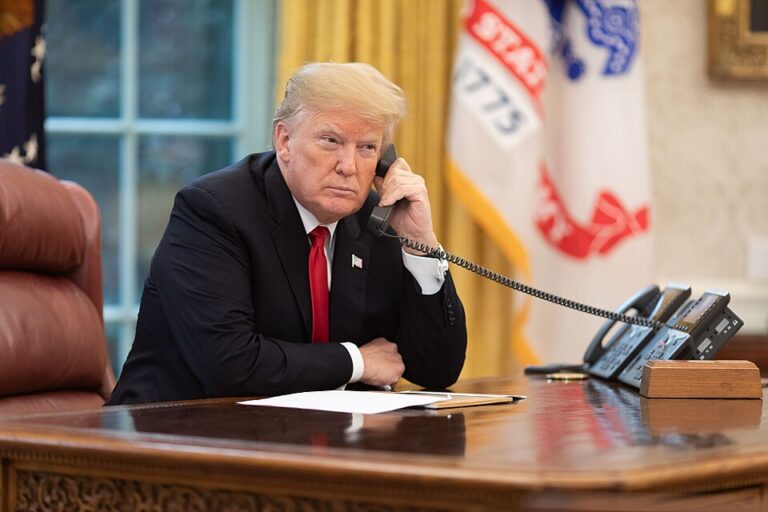
Trump’s Smithsonian Battle Expands Beyond Exhibits as Rep. Brandon Gill Pushes for a New Vision of American History
Rep. Brandon Gill’s support for President Donald Trump’s executive order targeting the Smithsonian Institution has pushed a long-running debate over museums, politics, and historical interpretation into the national spotlight. But the controversy is about more than a few exhibits or individual displays. At its center is a much larger question: Who gets to decide how America tells its own story?
Gill’s call to “clean house” at the Smithsonian reflects a growing conservative argument that taxpayer-funded cultural institutions have moved too far toward ideological interpretation and away from what supporters describe as a traditional presentation of American achievement.
The administration argues that museums supported by public funds should emphasize the nation’s founding principles, constitutional framework, scientific achievements, economic progress, and moments of unity alongside difficult chapters of history.
Critics of the order argue that a complete understanding of America requires examining both its accomplishments and its failures, including slavery, segregation, discrimination, and struggles for equal rights. They warn that political involvement in museums could threaten scholarly independence.
The Smithsonian has now become the center of a broader national conversation about history, identity, and the role of government in shaping public memory.
The Smithsonian Dispute Arrives at a Defining Moment for America’s History
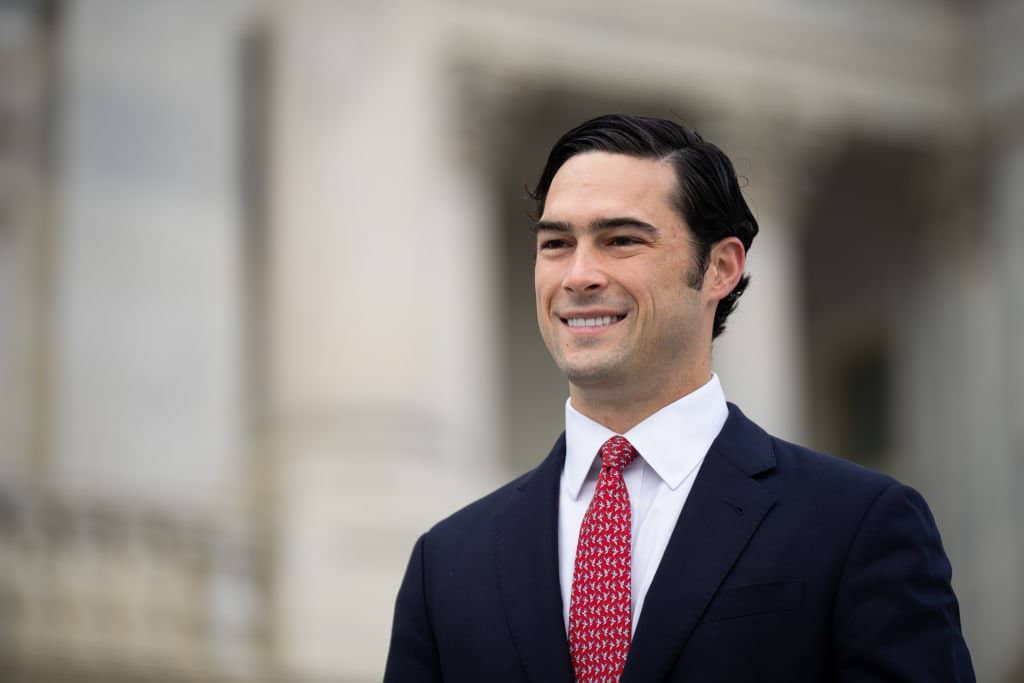
The timing of the controversy adds another layer of significance. The United States is approaching its 250th anniversary, a milestone that is expected to bring renewed attention to the Declaration of Independence, the Constitution, and the people and events that shaped the nation.
For supporters of Trump’s executive order, the anniversary represents an opportunity to highlight the ideals that established the country and the progress achieved over nearly two and a half centuries.
They argue that national museums should leave visitors with a stronger sense of pride and appreciation for America’s accomplishments.
Opponents counter that anniversaries are also moments for reflection. They argue that understanding the country’s full history requires acknowledging contradictions between American ideals and historical realities.
The Smithsonian sits directly in the middle of this debate because millions of visitors rely on its museums to understand the country’s past.
Why Taxpayer Funding Has Become a Major Point of Debate
One of the strongest arguments behind the push for greater oversight involves money.
The Smithsonian Institution is not simply a private museum system funded through donations and ticket sales. It receives substantial federal support, meaning taxpayers contribute to maintaining its museums, research facilities, collections, and educational programs.
That funding relationship has become a central argument for lawmakers who believe the public should have greater influence over how national museums present historical information.
Supporters of increased oversight say taxpayers should not be required to fund institutions that they believe promote political viewpoints rather than historical education.
However, Smithsonian supporters argue that public funding does not mean government officials should control historical conclusions. They maintain that museums require professional independence to research, preserve artifacts, and present complex subjects responsibly.
The disagreement highlights a difficult balance between accountability and independence.
The Debate Is Bigger Than One Museum Exhibit
Although the controversy focuses heavily on the National Museum of American History, the dispute represents a much wider argument taking place across the United States.
Similar debates have emerged over:
- School history curriculum
- Public monuments and memorials
- University programs
- Government cultural funding
- Historical site interpretation
At the heart of each debate is the same question: Should institutions primarily focus on celebrating national achievements, or should they also examine the conflicts and injustices that shaped the country?
The Smithsonian dispute has become a national symbol because the institution is one of the most recognized historical organizations in the world.
With museums visited by millions of Americans, decisions about exhibit language, artifact selection, and educational materials can influence how generations understand the country.
The Battle Over Museum Independence and Political Power
The Smithsonian occupies a unique position within the federal system.
Unlike a typical government agency, the institution operates through a special structure created by Congress. It is overseen by a Board of Regents that includes government officials and private citizens.
That arrangement was designed to create a balance between public accountability and institutional independence.
The current conflict raises a major question: How much influence should elected officials have over museums that receive federal funding?
Supporters of Trump’s approach argue that government oversight is necessary when public institutions drift away from their intended mission.
Museum advocates argue that allowing political leaders to influence exhibits could create a cycle where each administration attempts to reshape history according to its own priorities.
The outcome of this dispute could influence how future presidents and lawmakers approach national cultural institutions.
What Changes Could Visitors Notice at Smithsonian Museums?
The executive order has increased attention on what visitors may see when they enter Smithsonian museums in the future.
Potential areas of focus could include:
- Greater emphasis on America’s founding documents
- More attention to Revolutionary War history
- Expanded displays about scientific and technological achievements
- Increased recognition of military contributions
- New presentations highlighting American innovation
At the same time, debates are likely to continue over how museums address issues such as slavery, civil rights, immigration, and social movements.
The challenge for any national museum is finding a way to present history that informs visitors without appearing to promote a political agenda.
Why Parents and Students Are Watching the Smithsonian Debate
The Smithsonian is not only a destination for tourists. It is one of America’s most important educational resources.
Every year, families, teachers, and students visit its museums to learn about government, culture, science, and historical events.
For many young Americans, a museum exhibit may provide their first structured understanding of major moments in U.S. history.
That is why the current debate carries long-term significance. The question is not only what adults see inside museums today, but what future generations learn about the country’s achievements, struggles, and identity.
The Future of America’s Historical Conversation

The conflict involving Trump, Rep. Brandon Gill, and the Smithsonian is unlikely to end with one executive order or one round of congressional hearings.
The deeper debate involves competing visions of what national history should accomplish.
One side believes museums should strengthen national unity by emphasizing the ideals, achievements, and progress that define America.
The other believes museums serve their purpose by presenting the complete historical record, including uncomfortable truths and unresolved questions.
As the United States approaches its 250th anniversary, the Smithsonian has become more than a collection of museums. It has become a stage where Americans are debating how they remember the past and how they define the future.
The battle over the Smithsonian is ultimately a battle over something larger than exhibits. It is a debate over identity, memory, and the story a nation chooses to tell about itself.