The Girl Scout Cookie Drop That Left Fans Angry, Empty-Handed, and Chasing Crumbs
Every Girl Scout Cookie season usually feels simple. We expect the classics, buy too many boxes, and pretend the freezer stash of Thin Mints will last longer than three days.
Then Raspberry Rally came along and turned a sweet tradition into a frustrating lesson in hype, scarcity, and online-only chaos.
On paper, it sounded like the cookie fans had been waiting for. A raspberry-flavored cookie dipped in the same chocolaty coating as Thin Mints seemed like an easy win. In reality, Raspberry Rally became one of the most irritating Girl Scout Cookie launches in recent memory because many shoppers heard about it, wanted it, searched for it, and still could not get a box.
The Thin Mint Comparison Set Expectations Too High
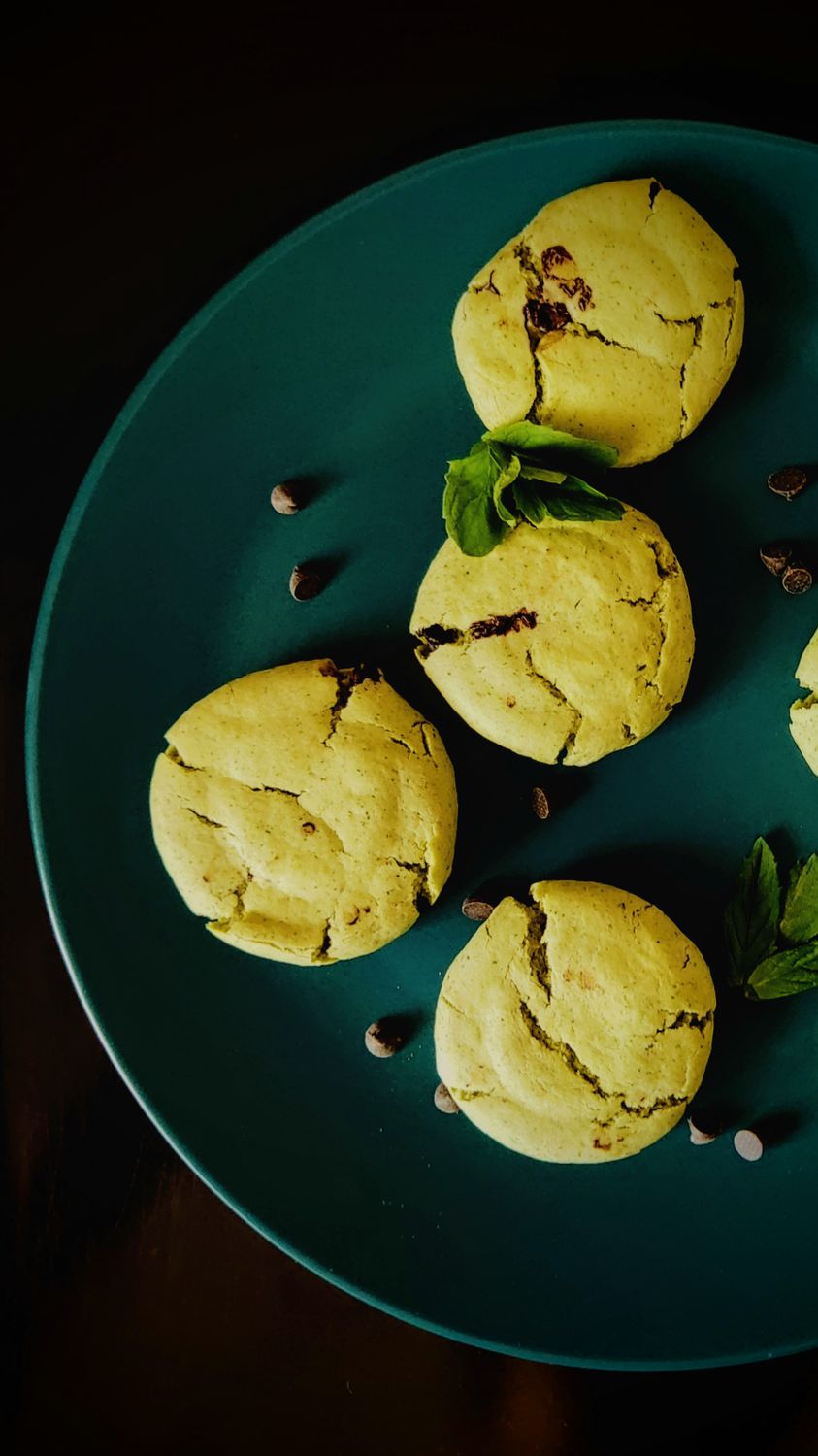
Connecting Raspberry Rally to Thin Mints was brilliant marketing, but it also created a problem. Thin Mints are not just another cookie. They are one of the most loved names in the Girl Scout lineup.
That meant Raspberry Rally had to live up to a huge reputation. Calling it a fruity sibling to Thin Mints made buyers expect something just as memorable, just as balanced, and just as addictive.
For some fans, the raspberry flavor delivered. For others, the comparison may have made the cookie seem bigger than it really was. When a new cookie borrows the spotlight from a legend, it also inherits the pressure.
Raspberry Rally Sounded Perfect Until People Tried to Buy It
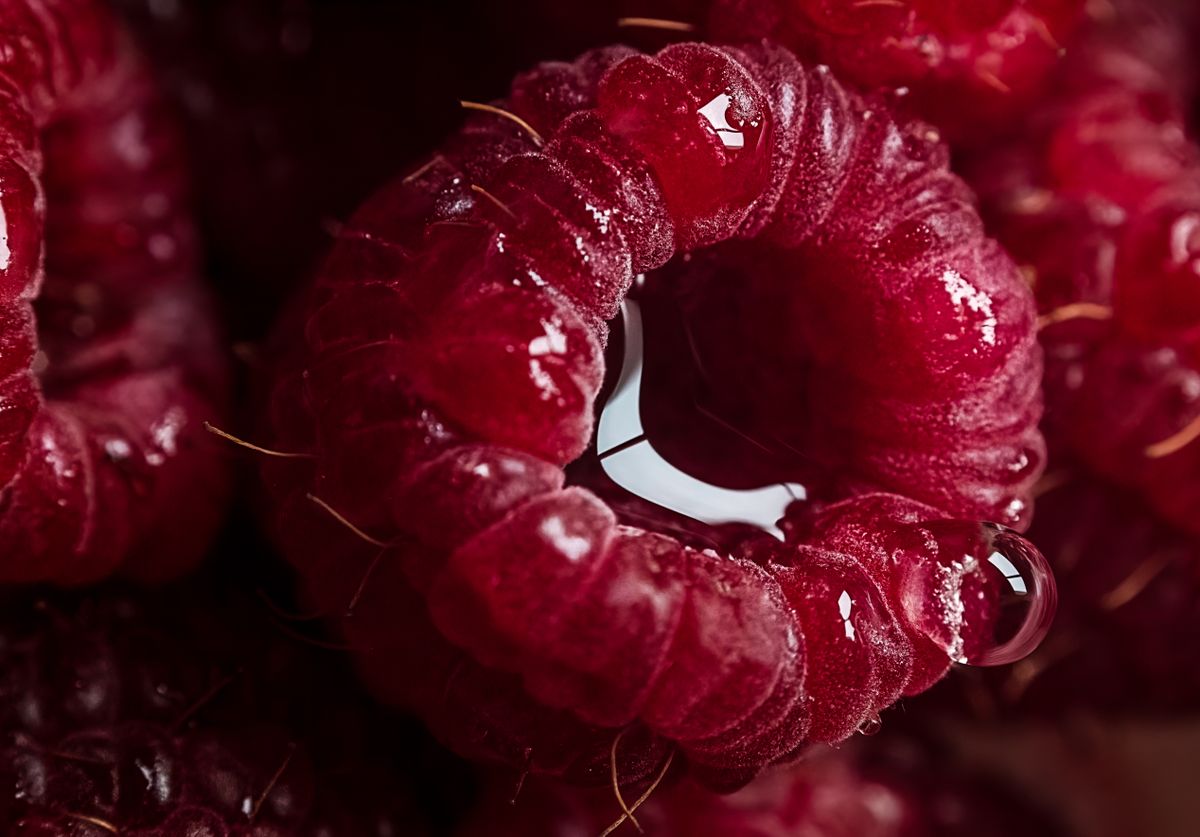
The idea behind Raspberry Rally was clever. It took the familiar shape and chocolate shell people already loved from Thin Mints and swapped the mint flavor for raspberry. That gave the cookie instant appeal because it felt new without feeling strange.
But the buying experience quickly became the real story. Unlike many other Girl Scout Cookies, Raspberry Rally was sold online only, with direct shipment. That made it feel exclusive, but it also made it harder for casual shoppers to grab.
For a cookie program built around local troops, neighborhood tables, and face-to-face selling, the online-only model felt cold to many buyers. The cookie was marketed as exciting and modern, but the process left plenty of fans feeling shut out before they ever had a chance to taste it.
The Online-Only Launch Created More Frustration Than Fun
Girl Scout Cookies have always had a personal charm. A child asks you to support her troop, you choose your boxes, and the purchase feels connected to something local and real.
Raspberry Rally changed that rhythm. The cookie was pushed through digital ordering, which made the sale feel more like chasing a limited sneaker drop than supporting a neighborhood cookie booth.
That shift created tension. Some people liked the convenience, but others saw the online-only model as a barrier. Not every buyer wants to hunt through links, pay shipping, or race against sellouts just to get a box of cookies.
The Hype Was Bigger Than the Supply

Raspberry Rally’s biggest problem was not that people ignored it. The problem was that too many people wanted it at once.
The cookie had all the ingredients of a viral snack. It had a famous family connection to Thin Mints, a bright raspberry twist, a limited-edition label, and a buying process that made it feel scarce. That combination lit the fuse.
But when hype outruns supply, excitement turns sour fast. Fans who thought they were joining a fun seasonal moment found themselves staring at unavailable links, sold-out notices, and secondhand listings that made the whole thing feel less cheerful.
The Resale Market Made the Cookie Look Worse
Once Raspberry Rally became difficult to find, resale listings added insult to injury. A cookie created to support Girl Scouts ended up being treated like a collectible item by people trying to profit from the shortage.
That was the moment the launch began to feel uncomfortable. Girl Scout Cookies are supposed to support local councils and help girls build business skills. Seeing boxes appear through unofficial resale channels made the entire situation feel detached from that purpose.
It also made fans question whether the online-only strategy had backfired. A limited release can create buzz, but when regular buyers are pushed toward overpriced resale options, the buzz starts to look like a mistake.
Raspberry Rally Exposed the Dark Side of Limited-Edition Snacks
Limited edition foods can be fun when they feel playful. They become irritating when they feel like they were engineered to make people anxious.
Raspberry Rally landed in that danger zone. The cookie’s scarcity made it more desirable, but it also made the experience more stressful than it needed to be. A simple dessert turned into a race.
That is the dark trick of limited snack culture. People do not only want the product. They want to avoid missing out. Raspberry Rally proved how quickly a cookie can become less about taste and more about panic.
The Flavor Was Never Going to Please Everyone
Raspberry and chocolate can be a beautiful pairing, but it is also a risky one. Some people love the tart fruit flavor against a rich coating. Others find it too candy-like, too artificial, or too sharp.
That made Raspberry Rally more divisive than safer classics. A shortbread cookie does not need much explanation. A peanut butter cookie knows exactly who it is for. Raspberry Rally asked buyers to trust a stronger flavor idea.
The problem was that many people never got to decide for themselves. Because the cookie was hard to find, the debate became less about whether it tasted good and more about whether the launch was handled well.
The Cookie Vanished Too Quickly to Build Real Trust
A new cookie needs time to win people over. It needs repeat buyers, booth conversations, family sharing, and enough availability for word of mouth to spread naturally.
Raspberry Rally did not get that kind of normal runway. It arrived with noise, sold through a limited channel, became difficult to find, and then slipped out of the regular lineup.
That short life made the cookie feel less like a new favorite and more like a missed opportunity. Fans who enjoyed it could not count on being able to buy it again. Fans who missed it were left with curiosity instead of closure.
The Launch Felt Too Modern for an Old-School Tradition
Girl Scout Cookies work because they mix business lessons with community warmth. The program has always been about more than the box. It is about young sellers developing confidence, communication, goal-setting, and responsibility.
Raspberry Rally pushed the program into a more digital direction. That may have been useful for teaching e-commerce, but it also stripped away some of the simple charm people associate with cookie season.
Buying cookies from a local troop feels personal. Chasing an online-only cookie feels transactional. That difference matters, especially for a tradition that depends so heavily on trust, nostalgia, and community.
Raspberry Rally Became a Warning, Not Just a Treat
The story of Raspberry Rally is not simply that Girl Scouts released a chocolate raspberry cookie. The bigger story is that a beloved seasonal tradition collided with modern scarcity marketing.
That collision produced attention, but it also produced annoyance. The launch showed how easily a fun product can become frustrating when access feels limited, and demand is unmet.
For food brands, there is a lesson to be learned here. Hype can create headlines, but availability creates goodwill. If customers feel teased instead of served, the excitement can turn against the product.
Cookie Fans Deserved a Better Rollout

The most frustrating part of Raspberry Rally is that the cookie idea itself had real promise. A chocolate-dipped raspberry cookie connected to Thin Mints was not a weak concept. It was one of the more interesting flavor ideas Girl Scouts had offered.
That is why the rollout felt disappointing. The cookie had enough appeal to become a seasonal standout, but its online-only format and limited availability made it feel out of reach for too many fans.
A better launch could have allowed more people to try it, compare it, debate it, and decide whether it deserved a permanent place. Instead, Raspberry Rally became famous partly because it was hard to get.
Why Raspberry Rally Still Annoys People
Raspberry Rally still sticks in people’s minds because it represents a very specific kind of disappointment. It was not a boring cookie nobody wanted. It was a cookie people wanted badly enough to chase.
That is exactly why the frustration lasted. When a product sounds ordinary and fails, people move on. When a product sounds perfect and becomes hard to buy, people remember the annoyance.
The cookie became a symbol of how modern food launches can turn simple cravings into digital competitions. It was supposed to be a sweet seasonal treat, but for many fans, it became another reminder that even cookies can now come with stress.