These 3 1960s Toys Were Bizarre, And You Probably Forgot They Ever Existed
Long before talking toys relied on digital technology and craft kits came with detailed instructions, some children’s toys offered a very different kind of play. Mattel was selling products that let kids mold rubbery creatures, form plastic objects, and make a doll speak with the pull of a string.
These toys were not simply things to look at or play with. They turned children into miniature makers and operators, giving ordinary play a surprisingly mechanical twist.
Related: 8 Iconic Toys That Shaped America’s Legacy
Mattel Thingmaker and Creepy Crawlers
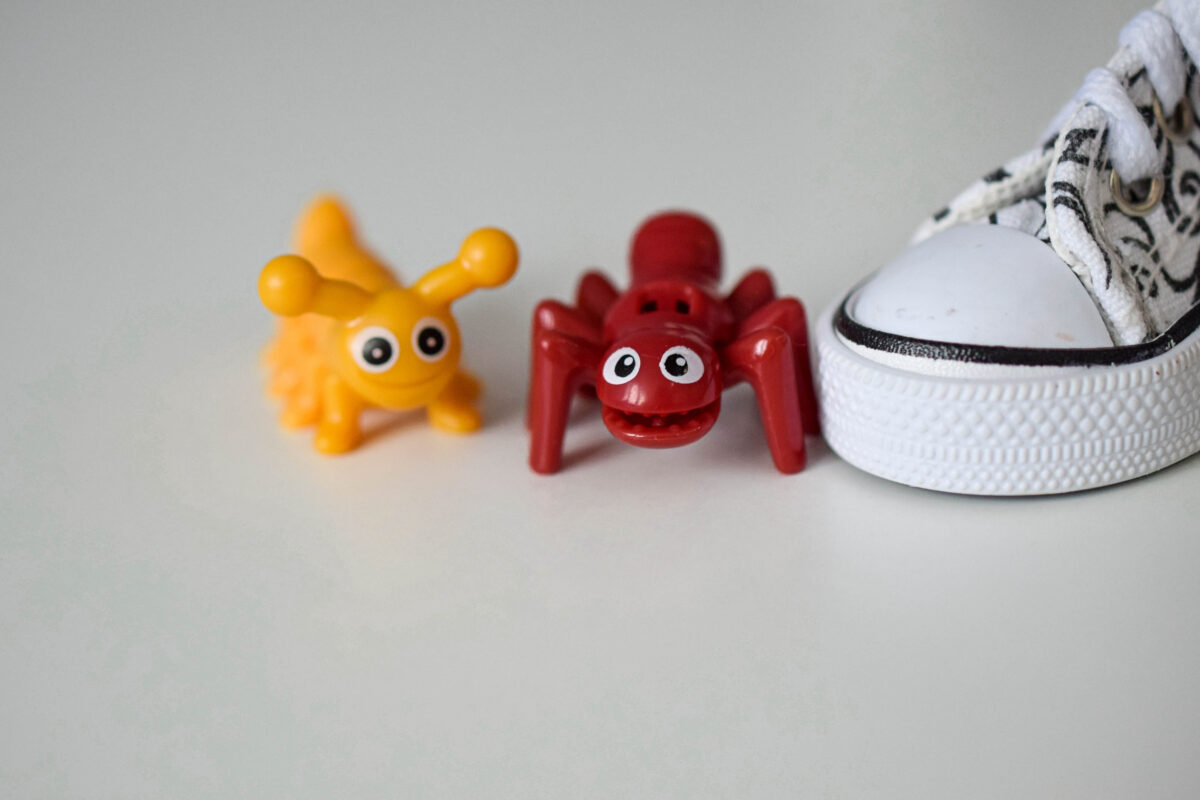
Mattel’s Thingmaker arrived in 1964 with an idea that was difficult to miss. The original Creepy Crawlers set used metal molds and Plasti-Goop, allowing children to create rubbery bugs and other crawling creatures by putting the material into molds, heating it in the toy’s unit, cooling the creations, and removing them.
That made the experience very different from opening a package and finding a finished toy inside. Children were essentially making their own miniature creatures at home, which gave the set an almost factory-like quality.
The Creepy Crawlers name also made the purpose perfectly clear. Instead of producing conventional dolls or figures, the set encouraged children to fill their playroom with homemade insects and strange little creatures.
For a 1960s child, that combination of creativity and machinery was part of the attraction. Today, the idea of a children’s toy centered on metal molds, heated material, and homemade plastic-like creations feels particularly unusual.
Mattel Vac-U-Form
Mattel’s Vac-U-Form pushed the same idea of turning manufacturing into play even further. Released in the early 1960s, the toy adapted vacuum forming, a process used to shape plastic, into something children could operate at home.
The basic process involved heating thin plastic sheets and using vacuum suction to form them over molds. Instead of simply pretending to operate a factory, children were using a toy built around a real manufacturing technique.
Vac-U-Form also came before the Thingmaker line, making it an important part of Mattel’s early experiments with hands-on toy making. Its appeal came from creating plastic objects rather than simply playing with a finished doll, game, or action figure.
That concept makes the toy stand out even now. It was essentially selling children the experience of making something with heat, plastic, molds, and suction, which is a remarkably ambitious idea for a toy.
Chatty Cathy
Then there was Chatty Cathy, Mattel’s talking doll that launched in 1960. Instead of using batteries or digital electronics, the doll used a pull string to activate its voice mechanism and play recorded phrases.
The Henry Ford collection records that the original Chatty Cathy spoke 11 phrases. By 1963, that number had increased to 18, giving the doll an increasingly varied vocabulary as the product developed.
The concept was simple but memorable. Pull the string, and the doll responded with one of its recorded phrases, turning an ordinary doll into something that could seemingly talk back.
Mattel continued the concept with related products, including Chatty Baby, Charmin’ Chatty dolls, talking puppets, and soft toys. For modern shoppers accustomed to sophisticated electronic toys, the pull-string mechanism is what makes Chatty Cathy especially distinctive.
What these toys had in common
Thingmaker, Vac-U-Form, and Chatty Cathy may have looked completely different on a toy-store shelf, but they shared an important idea. Each one introduced children to a version of technology that normally belonged outside ordinary play.
Thingmaker let children create molded creatures. Vac-U-Form adapted a manufacturing process into a home activity. Chatty Cathy brought recorded speech into a doll through a simple mechanical system.
That reflects a particularly inventive side of 1960s toy design. Rather than simply selling children another finished object, these products made the process itself part of the entertainment.
The result was a toy aisle filled with ideas that could feel surprisingly futuristic. A child could make a rubber creature, form a plastic object, or pull a string and hear a doll answer back.
Why they still stand out
These toys were unusual, but that does not mean they were designed simply to be strange. They captured an era when toy makers were eager to turn new materials, mechanical processes, and emerging technology into experiences children could explore.
That is what makes them worth remembering. The appeal was not just the finished bug, plastic shape, or spoken phrase. It was the feeling that a child’s playroom could become a tiny workshop, factory, or laboratory.
The 1960s toy aisle clearly had room for some ambitious ideas, and these three remain memorable examples of just how inventive those ideas could be.