Harley-Davidson Dealership Closes Suddenly, Leaving Riders Heartbroken and the Local Community in Shock
The Bull Run Harley-Davidson dealership has officially closed its doors in Manassas, Virginia, marking the end of a location that many riders saw as far more than a retail store. The shutdown has left customers and staff emotional, describing the moment as a “sad day” and reflecting on years of memories, service visits, and shared passion for the open road.
What was once a familiar stop for motorcycle buyers, long-time riders, and weekend groups has now gone silent. The closure is not just a business decision in the eyes of many locals; it feels like the loss of a community space where people connected through a shared lifestyle.
A Place Where Riders Didn’t Just Shop, They Belonged
For years, the dealership functioned as a natural meeting point for Harley-Davidson riders in the area. It was where conversations started without introductions, where strangers became riding partners, and where the sound of engines outside often signaled a weekend gathering in motion.
Customers didn’t only come for motorcycles. They came for advice, service updates, accessories, and sometimes just to be around people who understood the culture of riding. That informal atmosphere made the dealership feel less like a store and more like a clubhouse built around chrome, leather, and long highway stories.
With its closure, that everyday rhythm is gone. Riders who once made spontaneous stops now find themselves planning longer trips to other locations, where the experience may feel less personal and less familiar.
Emotional Goodbye From Employees Who Built Years of Trust
Inside the dealership, the final days carried a heavy emotional weight. Employees who had spent years greeting customers, preparing new bike deliveries, and handling service appointments said goodbye not only to a workplace but to relationships built over time.
Some staff members described the closure as one of the hardest moments of their careers, pointing out that many customers had become regular faces over the years. Birthdays, upgrades, first motorcycles, and long service histories all passed through the same doors.
The farewell was not rushed or distant. It was filled with conversations, gratitude, and reflection on shared experiences that extended far beyond sales numbers. For employees, it was a reminder that in this business, the human connection often mattered more than the transaction.
Why This Closure Feels Personal to So Many Riders
Harley-Davidson dealerships have always held a unique position in motorcycle culture. Unlike standard retail outlets, they represent identity, lifestyle, and belonging. Riders don’t just purchase machines; they invest in a brand that symbolizes freedom, independence, and road culture.
That is why closures like this one feel deeply personal. When a dealership disappears, it is not just a building that shuts down. It is a familiar voice at the service desk, a known mechanic who remembers your bike, and a place where your passion is understood without explanation.
Many riders are now left with memories rather than a physical space to return to. For those who relied on the dealership as their main point of contact, the absence is immediate and noticeable.
A Shift Happening Across the Motorcycle Industry
While this closure feels local and emotional, it is also part of a wider transformation affecting motorcycle retail across the United States. Dealership networks are increasingly being reshaped by corporate consolidation, rising operating costs, and changing consumer behavior.
Smaller locations are often merged into larger regional hubs designed to serve wider geographic areas. These consolidated dealerships may offer broader inventory and upgraded facilities, but they often lack the personal, neighborhood feel that long-time riders value.
As a result, the experience of buying, servicing, and connecting with motorcycles is changing. The focus is shifting from local familiarity to larger, more centralized operations.
Longer Distances, Fewer Familiar Stops for Riders
One of the most immediate impacts of the closure is practical. Riders who once had easy access to service and support now face longer travel times to reach the nearest Harley-Davidson location.
What used to be a quick stop for maintenance or accessories may now require planning a full trip. For riders who depend on regular servicing or enjoy frequent dealership visits, this change disrupts long-standing routines.
Beyond convenience, there is also a sense of loss in spontaneity. The simple act of stopping in for a chat, browsing gear, or meeting other riders is no longer part of everyday riding life in the same way.
The Disappearance of a Community Space
Motorcycle dealerships have always played a role that goes beyond commerce. They act as physical anchors for riding culture, offering a place where people with shared interests naturally gather.
Outside the dealership, conversations often continued long after purchases were made. Riders exchanged road stories, planned group rides, and offered advice on routes, maintenance, and upgrades. That kind of environment is difficult to replicate elsewhere.
With this closure, that informal social space is gone. Online communities may still exist, but they cannot fully replace the energy of real-world gatherings where bikes are parked side by side, and conversations happen face-to-face.
A Changing Identity for Local Riding Culture
The closure also reflects a broader shift in how motorcycle culture is evolving. As dealerships consolidate and digital platforms expand, the traditional local hub is slowly becoming less central to the riding experience.
Younger riders often enter the motorcycle world differently than previous generations, relying more on online research, social media groups, and regional events rather than local dealership communities. At the same time, long-time riders often feel a stronger attachment to physical spaces that represent tradition and continuity.
This gap between old and new ways of connecting is becoming more visible as closures like this one continue to appear across different regions.
More Than a Business Decision
While industry changes and economic pressures are part of the story, the emotional reaction from the community shows that this closure cannot be viewed purely through a financial lens.
For many, the dealership represented consistency in a world that is constantly changing. It was a place where riders could return year after year and still find familiar faces and familiar conversations waiting for them.
Now, that consistency is gone, replaced by uncertainty about where those connections will continue.
A Quiet Ending to a Loud Culture
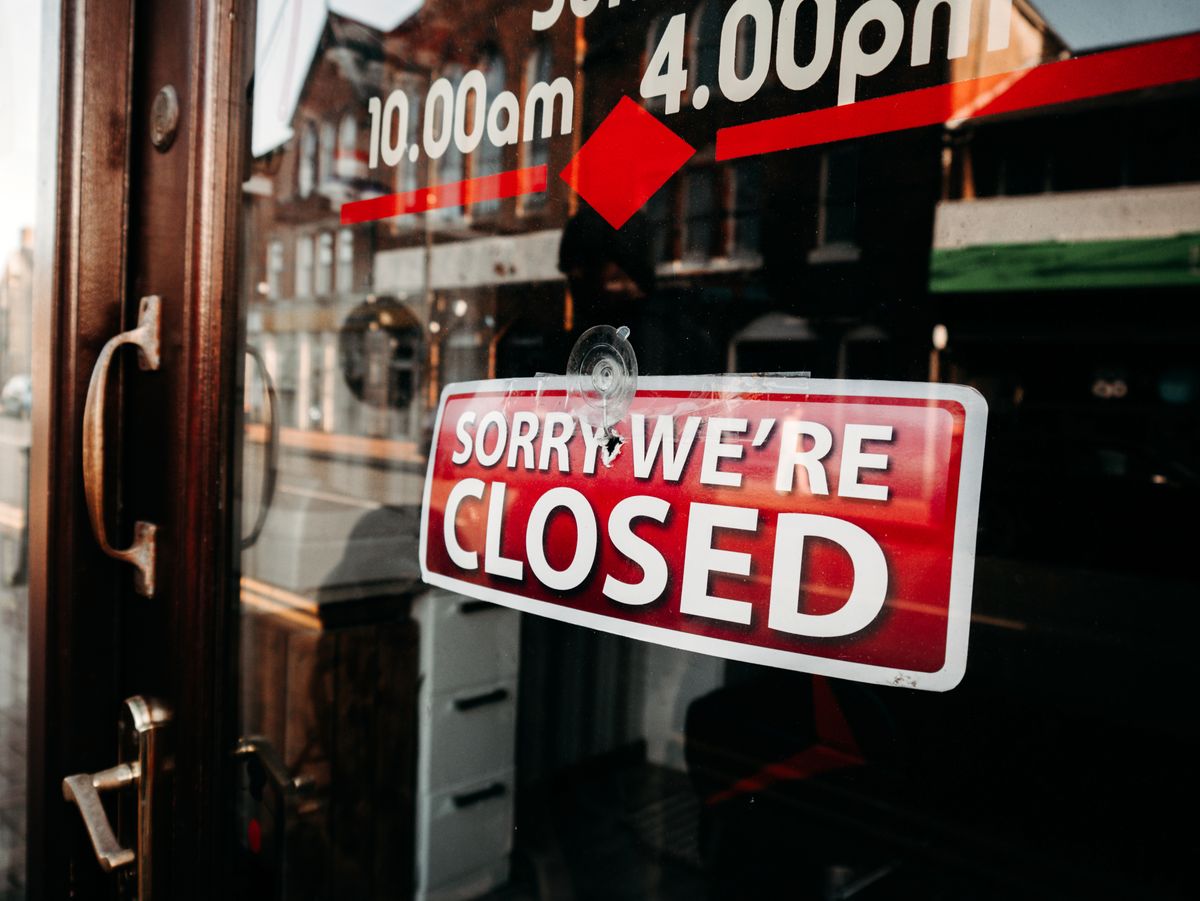
The Harley-Davidson dealership may have closed quietly, but its impact continues loudly in the memories of those who walked through its doors. Riders are now left adjusting to a new reality where their community is no longer centered around a single local space.
Still, the spirit that defined the dealership does not disappear with the building. It continues on highways, weekend rides, and shared stories between riders who built bonds there over the years.
The doors are closed, but the culture it supported is still on the road, just without its usual stop along the way.