U.S. 13-Night Strikes on Iran Put ‘On Hold’ as Talks Begin Over Strait of Hormuz Control
After 13 consecutive nights of American airstrikes, the United States paused its bombing campaign over the weekend. Iran also signaled that it would suspend retaliatory attacks as long as Washington maintained its pause. The temporary calm has allowed regional mediators to revive negotiations before the confrontation erupts again.
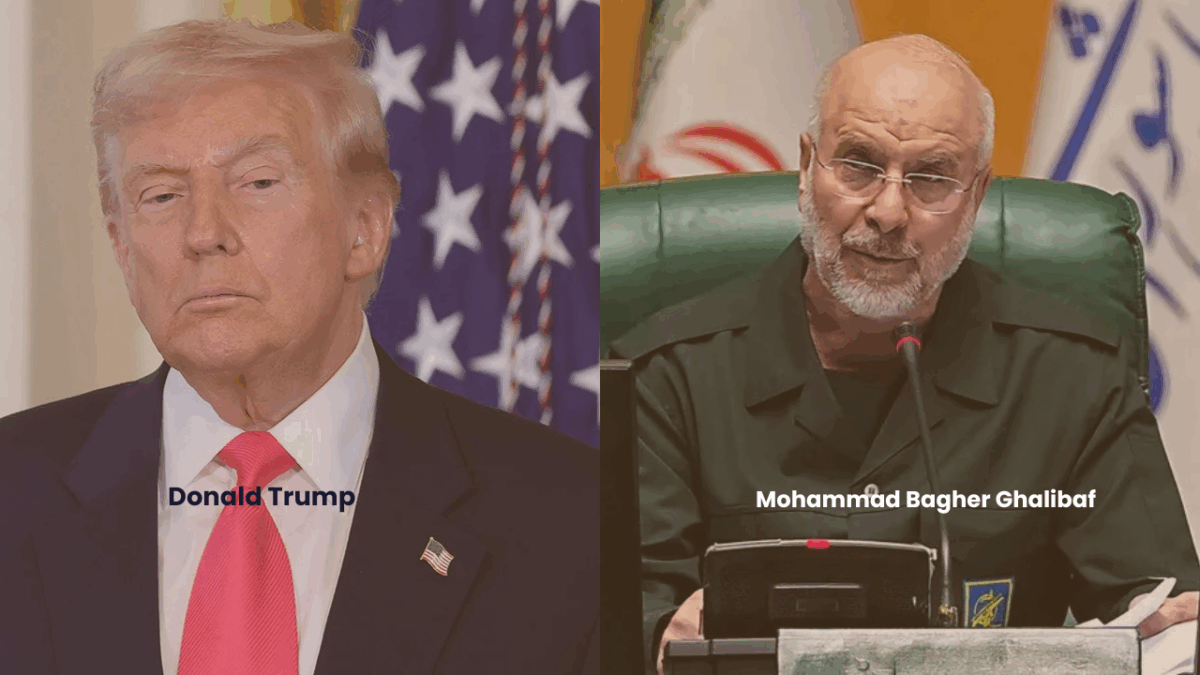
U.S. Ambassador to the United Nations Mike Waltz said President Donald Trump was giving diplomatic efforts “a little bit of room.” However, neither the White House nor Iran has described the pause as a permanent ceasefire.
That distinction matters. American aircraft may not be dropping bombs, but U.S. forces are still enforcing a naval blockade against vessels entering or leaving Iranian ports. Iran, meanwhile, continues to demand a central role in deciding how commercial ships move through one of the world’s most important energy corridors.
For Americans watching gasoline prices, this is not a distant dispute. Roughly 20% of the world’s oil normally passes through the Strait of Hormuz. Any new attack, ship seizure or failed negotiation could quickly shake energy markets again.
Diplomacy gets a narrow opening after 13 nights of strikes
The American bombing campaign had targeted Iranian command centers, coastal defenses, drone facilities, aircraft hangars and maritime capabilities. U.S. Central Command said the operation was designed to weaken Iran’s ability to threaten commercial vessels using the strait.
Trump met with senior national security officials Friday to discuss whether to continue the campaign or expand it. No additional American strikes were reported after the meeting, creating the first extended break in the operation.
The president has offered two sharply different paths. “You can just keep doing exactly what we’re doing and take them apart piece by piece,” Trump told reporters Friday. “Or we can negotiate with them, which we’re also doing right now.”
Trump said he did not believe Iran was ready to sign an agreement, but added that Iranian officials appeared to be growing more serious. His administration has repeatedly argued that military pressure is intended to bring Tehran back to meaningful negotiations.
Iran’s response has been cautious. A senior Iranian official told Reuters that Tehran would stop its retaliatory operations as long as the United States continued to withhold strikes. Iranian officials reportedly remain suspicious that the American pause could be tactical rather than the beginning of a durable settlement.
The result is an unofficial test of restraint. Each side is waiting to see whether the other will move first, break the pause or accept a compromise.
Control of the Strait of Hormuz remains the hardest question
The central disagreement is no longer limited to Iran’s nuclear or missile programs. It is also about who controls shipping through the Strait of Hormuz and under what rules.
Iran and Oman held several rounds of technical discussions in Tehran on Friday and Saturday. Iranian Foreign Ministry spokesperson Esmail Baghaei said the talks focused on principles and operational procedures for the safe passage of ships. He described the meetings as constructive and said political and technical discussions would continue.
Oman has become particularly important because it shares the strait with Iran and has maintained diplomatic channels with both Tehran and Washington. The Omani government says any lasting arrangement must protect freedom of navigation while respecting international law and the sovereign rights of the two coastal states.
According to a regional official cited by The Associated Press, negotiators are discussing a compromise under which Iran would help manage vessel traffic but impose fewer restrictions on commercial ships. Both Washington and Tehran reportedly want to restore an earlier interim ceasefire, although they remain divided over the conditions governing the waterway.
Iran has pushed ships toward routes closer to its coastline and previously suggested it could collect fees for maritime services. Many vessels instead began using a southern corridor near Oman, where the United States could provide military protection.
That competition created a dangerous situation. Iran attacked some ships using the southern route, while the United States struck Iranian coastal defenses and resumed its blockade of Iranian ports.
CENTCOM says its blockade applies to vessels traveling to or from Iranian ports, while other commercial traffic is permitted to continue. When the current blockade resumed July 14, the military advised ships operating near the Gulf of Oman and the strait to remain in contact with American naval forces.
The blockade remains active despite the pause in airstrikes. The U.S. military said it recently disabled a Mozambique-flagged vessel after the ship allegedly ignored warnings while attempting to violate the blockade. That incident demonstrates why the current calm cannot yet be described as peace.
A pause that could lower fuel prices or collapse overnight
The Strait of Hormuz has become the economic pressure point of the conflict. Disruptions during the second quarter drove crude oil prices higher and produced unusually volatile trading.
The U.S. Energy Information Administration reported that Brent crude reached $118 per barrel on April 29 before dropping to $72 in late June as ceasefire negotiations raised hopes that shipping would recover. Prices increased again after military strikes resumed in July.
Those movements eventually reach American households through fuel, transportation and shipping costs. Higher energy prices can make trucking, air travel, manufacturing and grocery distribution more expensive.
Both Iran and the United States therefore have economic reasons to keep negotiations alive. Iran needs access to trade and energy revenue. Washington wants commercial shipping restored without allowing Tehran to dictate who may pass or what ships must pay.
Yet major risks remain. Israeli Prime Minister Benjamin Netanyahu is expected to meet Trump in Washington, adding uncertainty about whether Israel could become more directly involved in the renewed confrontation. Analysts have warned that Israel’s entry could increase pressure on Tehran but also make a broader regional war more likely.
Iran’s divided leadership could also complicate negotiations. Officials willing to compromise may face opposition from military or political factions that view concessions as weakness.
For now, Washington and Tehran appear to be negotiating with both words and military force. The airstrikes are paused, but warships remain in position, Iranian forces retain the ability to threaten shipping, and Trump has not withdrawn the possibility of renewed attacks.
The next few days will reveal whether the pause becomes the foundation of another ceasefire or merely a quiet interval before a more dangerous round of fighting.
For families watching the price at the pump and sailors waiting for a safe passage through the Gulf, the difference could be enormous.