South Africa’s Gaza Genocide Case Draws 22 Interventions, but “Backing” Is Not the Whole Story
South Africa walked into the International Court of Justice alone in December 2023. More than two years later, the courtroom around its case against Israel has become crowded with governments seeking a say in how the Genocide Convention should be interpreted.
That shift is politically significant, but the popular claim that every intervening country is now “behind South Africa” needs an important correction. As of July 2026, the ICJ’s official case record lists 22 active declarations or applications to intervene. They do not all necessarily endorse South Africa’s accusation, and they are not all co-plaintiffs against Israel.
A case that began with one government
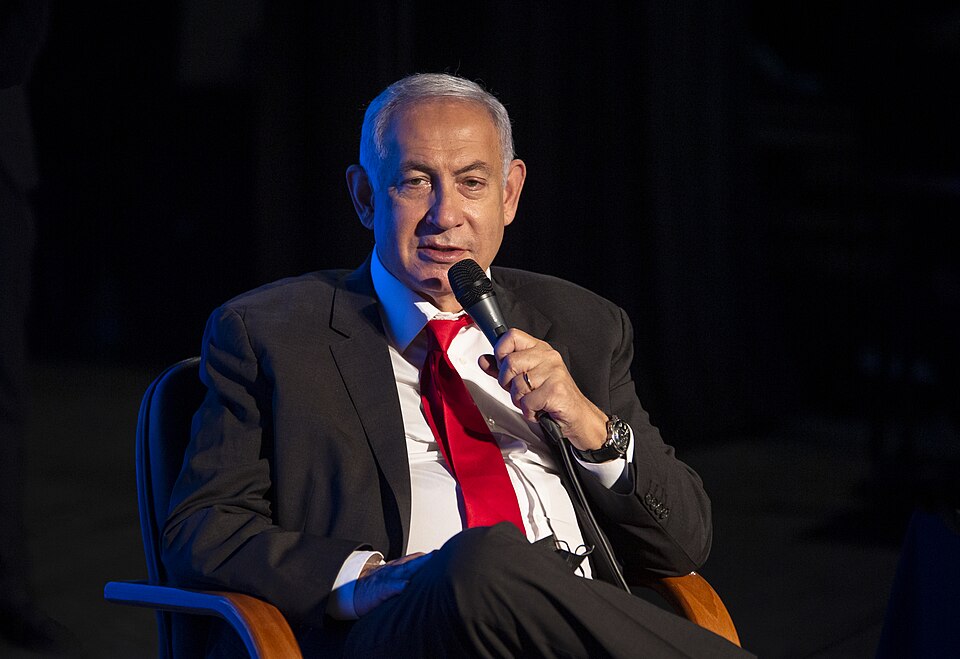
South Africa filed its application on December 29, 2023, accusing Israel of violating its obligations under the 1948 Genocide Convention in Gaza. Pretoria said it was acting because countries that signed the convention have a duty to prevent genocide.
Israel rejected the allegation as false and argued that its military campaign followed the Hamas-led attacks of October 7, 2023, and was aimed at Hamas rather than Palestinian civilians. Israel has maintained that it is acting under international law and exercising its right to defend itself.
The ICJ has not issued a final judgment finding that Israel committed genocide. That distinction matters. The court’s early rulings dealt with provisional measures, which are emergency orders intended to protect claimed rights while the full case continues.
The list has grown beyond the Facebook claim
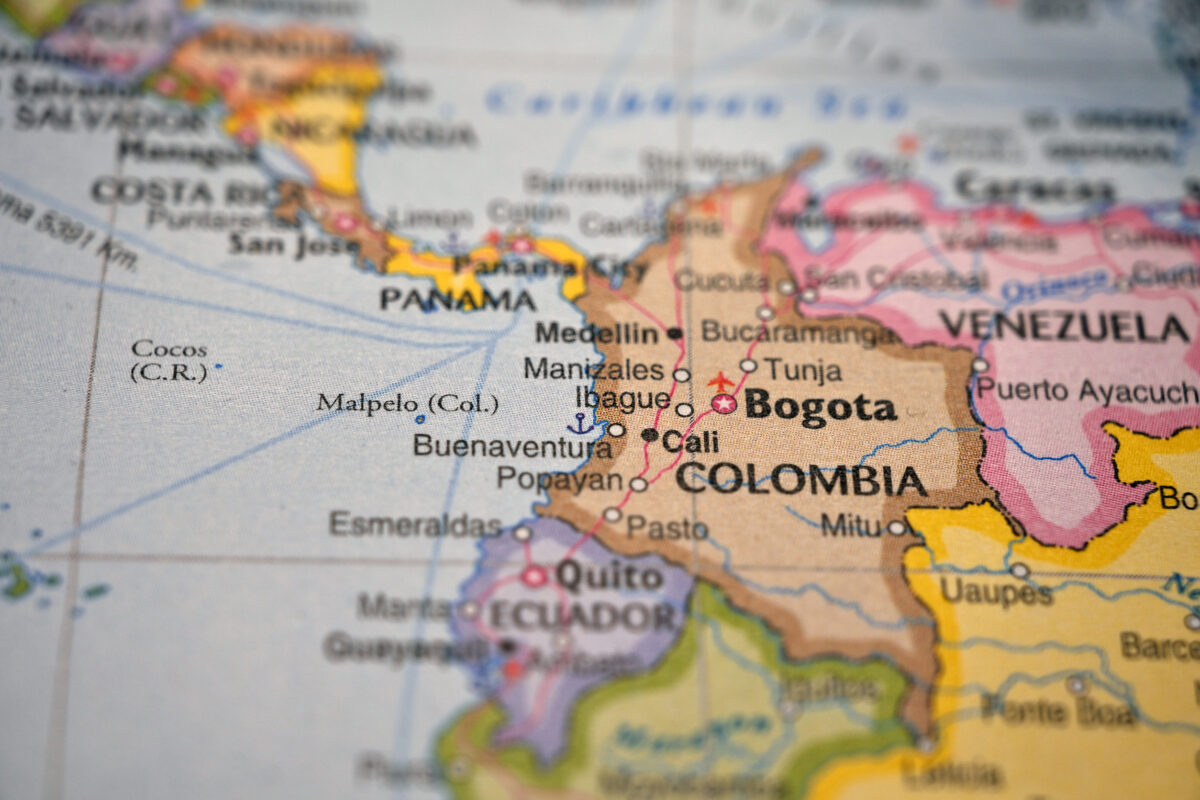
The official ICJ intervention page shows active filings from Colombia, Libya, Mexico, Palestine, Spain, Türkiye, Chile, the Maldives, Bolivia, Ireland, Cuba, Belize, Brazil, Comoros, Belgium, Paraguay, the Netherlands, Iceland, Namibia, the United States, Hungary and Fiji.
That makes 22 active interventions or applications, not merely “more than a dozen.” It also means Belgium is no longer the latest country to enter the proceedings. Belgium filed in December 2025, while Paraguay, the Netherlands, Iceland, Namibia, the United States, Hungary and Fiji made filings in March 2026.
Nicaragua, which appears in the circulating Facebook list, should no longer be counted. It asked to intervene in February 2024 but formally withdrew its request in April 2025.
The legal meaning of these filings is also more complicated than a simple show of support. Most states intervened under Article 63 of the ICJ Statute. That provision allows a country that is party to a treaty to present its interpretation when the meaning of that treaty is in dispute. An intervention does not automatically make that country a co-applicant or prove that it accepts South Africa’s entire case.
What the court actually ordered
On January 26, 2024, the ICJ ordered Israel to take all measures within its power to prevent acts covered by the Genocide Convention, prevent and punish direct and public incitement to genocide, enable urgently needed humanitarian assistance and preserve evidence. The court also required Israel to report on the steps it had taken.
In March 2024, the judges ordered additional measures because of worsening humanitarian conditions. In May 2024, the court directed Israel to halt its military offensive in Rafah, and other action there that could create conditions capable of bringing about the physical destruction of Palestinians in Gaza, in whole or in part. It also ordered Israel to keep the Rafah crossing open for urgently needed aid and provide access to investigators authorized by the United Nations.
These orders are binding, but they are not a final verdict on genocide. Israel has continued to deny the accusation and says it facilitates humanitarian assistance while taking steps to reduce civilian harm.
The court’s greatest weakness is enforcement
The ICJ is the United Nations’ highest court for disputes between states, but it has no police force, military arm or independent mechanism for physically compelling obedience. Article 94 of the UN Charter says UN members undertake to comply with ICJ decisions in cases involving them. A party alleging noncompliance with a judgment may turn to the Security Council, which can recommend or authorize measures.
That system makes enforcement deeply political. Security Council action can collide with the veto power of its five permanent members. The court can issue legally binding orders and intensify diplomatic pressure, but it cannot send officers into a country or directly stop military operations.
The proceedings are still moving. The ICJ docket shows that in May 2026 it set deadlines for further written pleadings, confirming that the merits phase remains active and that no final judgment has yet been delivered.
South Africa therefore no longer stands alone, but the expanding roster should not be reduced to a political scoreboard. The larger story is that governments from several regions are competing to influence how the world’s most serious treaty is interpreted, while the court confronts the familiar gap between international law on paper and enforcement in practice.