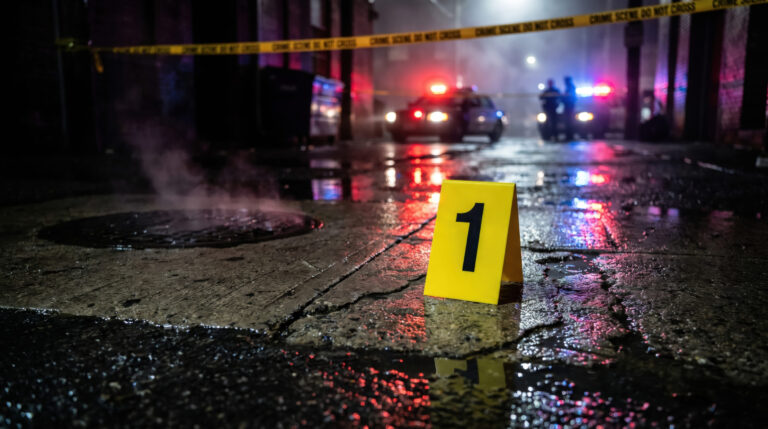
ICE Operation Descends on New York as Fatal Shootings and Unanswered Questions Fuel Public Fear
A knock at the door before sunrise. An unmarked vehicle following a worker through a crowded neighborhood. Armed federal officers appearing outside an apartment building while frightened families try to understand who is being targeted.
That is the atmosphere surrounding a new ICE operation in New York City, which reportedly began in Queens on Monday, July 27, before expanding toward Long Island. Federal officials describe it as targeted enforcement, but the limited public information and ICE’s recent record leave New Yorkers with far more questions than answers.
The operation comes after two immigrants who were not the targets of enforcement actions were fatally shot by ICE officers in Texas and Maine. As federal agents move through some of America’s most diverse communities, we are watching a deportation campaign collide with growing concerns about due process, officer accountability, and unchecked government power.
ICE Targets People Released After New York Rejected Detainers
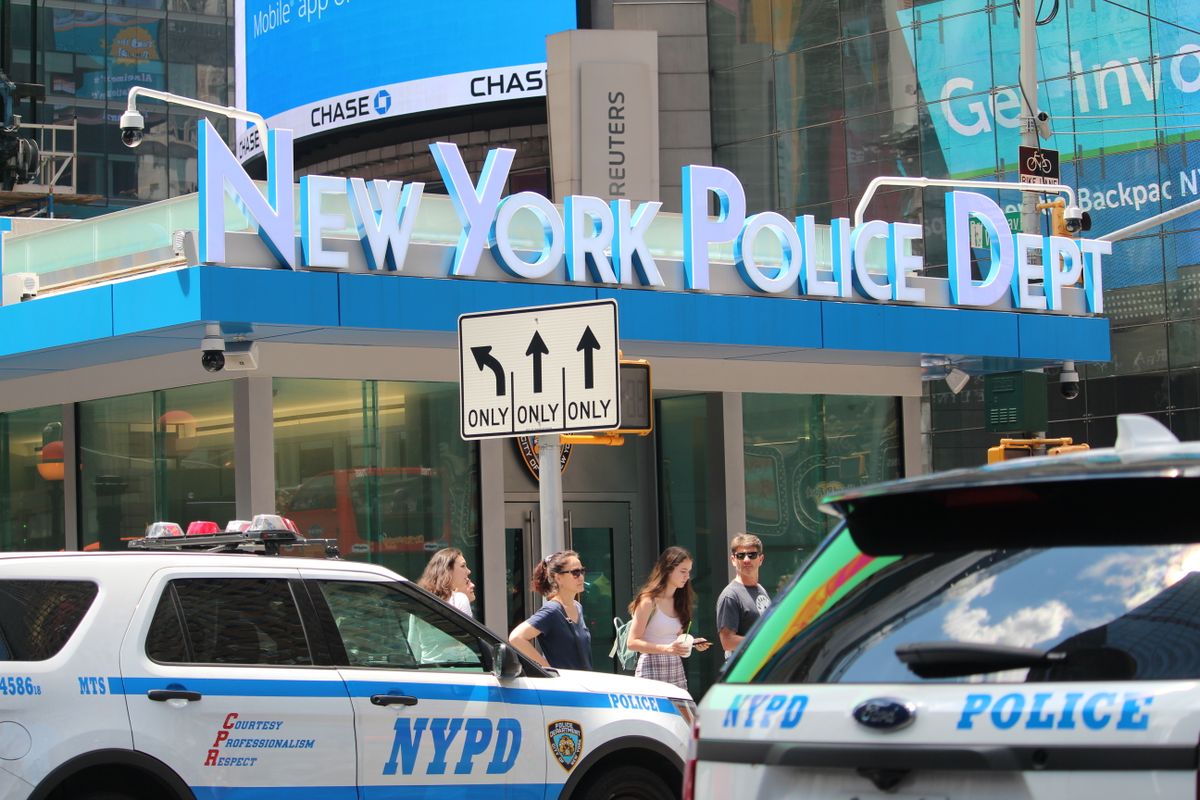
The new operation reportedly focuses on people who previously received immigration detainers while in local custody. New York authorities declined to continue holding them because the requests did not satisfy the city’s strict legal requirements.
An ICE detainer is a request asking a local jail to notify federal officials about a person’s release and potentially hold that individual for up to 48 additional hours. It is not necessarily a warrant issued by a judge.
That distinction should concern every American, regardless of political affiliation. The government should not be able to keep someone behind bars beyond a lawful release time simply because an agency produced paperwork signed by its own officials.
New York City generally requires a judicial warrant and additional qualifying circumstances before extending someone’s custody for immigration enforcement. Those conditions can include a serious or violent conviction or a possible match in a terrorism screening database.
ICE supporters portray rejected detainers as evidence that New York releases dangerous people. The actual rules tell a more complicated story because an immigration detainer alone does not prove that someone committed a violent crime.
Hundreds of ICE Requests Failed to Meet City Requirements
New York City’s own figures reveal the size of the conflict. During fiscal year 2025, the Department of Correction received 595 civil immigration detainers, but 405 were not honored. No one was held beyond the normal release time solely because of a detainer during that reporting period.
The department recorded 19 transfers to federal immigration authorities under applicable city policies. Those figures suggest that New York is not refusing all communication with ICE. Instead, the city is demanding that federal officials meet established legal conditions before local authorities deprive someone of freedom.
That safeguard is now driving ICE into neighborhoods. When federal officers cannot collect a person directly from a jail, they may attempt to locate that individual at home, at work, or while traveling. The result is a more unpredictable form of enforcement. Apartment residents, coworkers, children, and motorists can suddenly find themselves watching an armed federal operation unfold during an otherwise ordinary day.
Queens Residents Face an Operation Wrapped in Secrecy
Queens became the first reported focus of the operation, but the public received few meaningful details. ICE did not release a complete list of neighborhoods, the number of officers deployed, or the number of people it intended to arrest.
There was also no immediate public accounting of arrests from the first day. Residents were left to rely on news reports, community alerts, and social media sightings to understand what was happening around them.
That secrecy carries a human cost. Parents may keep children home from school, workers may miss shifts, and families may avoid medical appointments because they cannot determine whether an enforcement report is accurate.
Queens is one of the most diverse counties in the United States. Its neighborhoods include generations of Americans living beside recent arrivals from Latin America, Asia, Africa, the Caribbean, and the Middle East.
A large federal operation cannot enter those communities without affecting more than the names on a target list. Fear travels through a neighborhood faster than an official statement, especially when officers operate in plain clothes or unmarked vehicles.
Long Island Has Already Seen Aggressive ICE Activity
The planned expansion toward Long Island deepens those concerns. Immigration enforcement has already become a visible and controversial presence across the region. A Newsday investigation reviewed roughly 400 local ICE arrest cases and found that at least 84 involved immigrants using vehicles.
That pattern means an ordinary drive to work, a construction site, or a grocery store can become the setting for a federal encounter. Vehicle operations have attracted particular scrutiny following two fatal shootings in July. In both cases, the men killed were not the intended targets of the immigration operations that placed officers in their paths.
ICE temporarily suspended most vehicle stops after the shootings. Border czar Tom Homan called the decision a short-term pause, indicating that federal officials intended to resume the tactic after reviewing it. Now, ICE is expanding operations around New York before the public has received complete answers about those deaths. That timing makes the agency’s lack of transparency impossible to dismiss.
Two Men Died Even Though ICE Was Looking for Someone Else
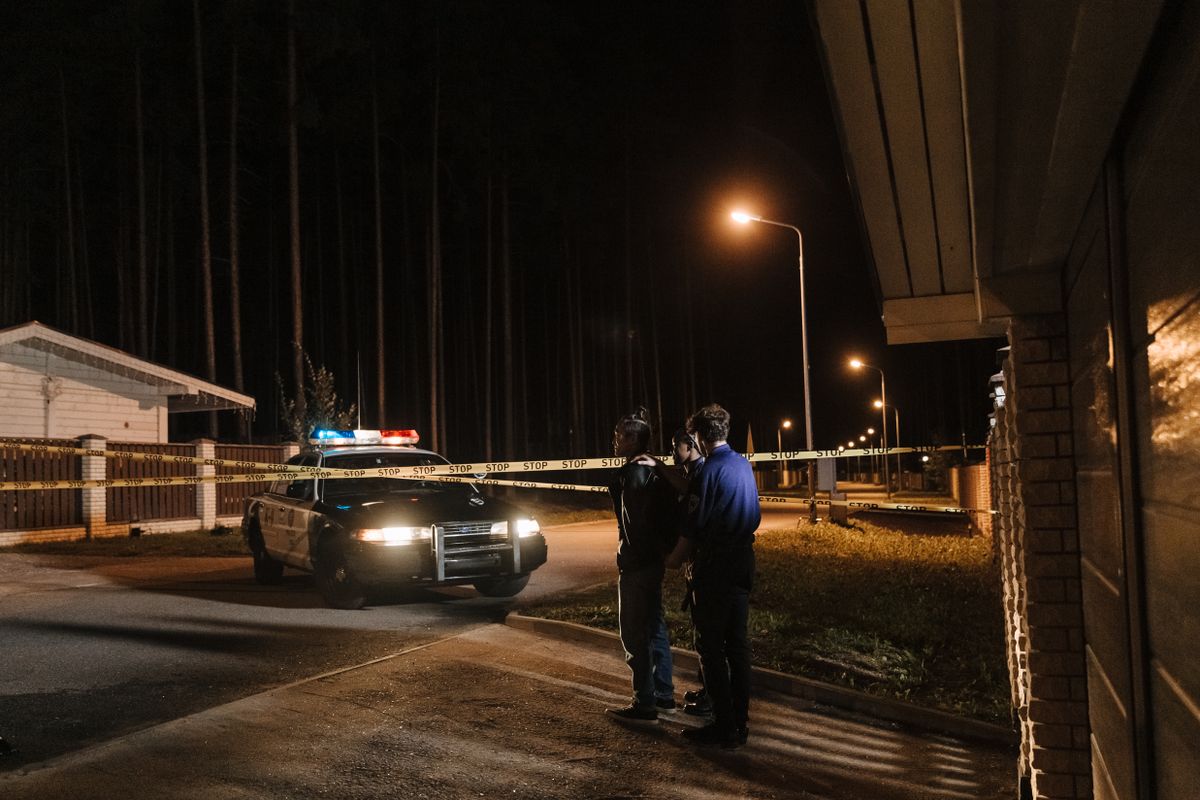
On July 7, an ICE officer fatally shot Lorenzo Salgado Araujo, a 52-year-old Mexican national who had lived in Houston for more than three decades. A DHS official acknowledged that Salgado was not the person agents originally intended to find.
ICE claimed Salgado rammed a law enforcement vehicle and attempted to drive toward an officer. Men who were inside his van disputed that version through an attorney, while the agency had not publicly produced video supporting its account when Reuters examined the case.
Six days later, an ICE officer fatally shot Colombian national Johan Sebastian Duran in Biddeford, Maine. DHS again acknowledged that the man killed was not the operation’s intended target.
Duran reportedly worked two jobs, including food delivery, while supporting his wife and young daughter. His family witnessed the aftermath of the shooting, turning a federal enforcement action into a permanent personal tragedy.
These cases expose the danger hidden behind the phrase “targeted operation.” When officers follow vehicles, approach the wrong people, or make decisions without body camera footage, the consequences can reach individuals who were never on ICE’s list.
Mamdani’s “Abolish ICE” Demand Sets Up a Direct Clash
New York City Mayor Zohran Mamdani condemned Salgado’s death and demanded an independent investigation. He also renewed his call to abolish ICE. “To the Salgado family and any immigrant family in this city living in fear: we grieve with you, and we will continue to stand beside you in the pursuit of justice,” Mamdani said.
His statement ended with a direct message: “Abolish ICE.” The mayor’s position places City Hall in open conflict with the Trump administration. Federal officials argue that sanctuary policies obstruct immigration enforcement, while Mamdani’s administration views those policies as necessary protections against warrantless detention.
New York cannot prevent federal agents from enforcing federal immigration law. It can, however, refuse to turn local police officers, city employees, and correctional facilities into extensions of ICE. That division creates a dangerous pressure point. Federal officers are entering communities whose local government has openly rejected the methods supporting their operation.
This Is Also an American Due Process Story
Immigration often divides the country, but the principle at stake is larger than immigration status. Americans have long expected the government to obtain proper judicial authority before entering a home or extending a person’s imprisonment.
A civil immigration document signed by an agency employee is not the same as a warrant approved by an independent judge. Erasing that difference would weaken a safeguard that protects everyone from arbitrary government action. New York’s restrictions do not erase federal immigration law.
They require federal officials to carry out their own enforcement while local agencies follow city and state rules. ICE is responding by taking the search into public spaces. That may serve the administration’s deportation goals, but it also increases the possibility of frightened drivers, mistaken identities, confrontations, and innocent bystanders becoming trapped in dangerous encounters.
What Residents Can Do if ICE Appears
People approached by ICE have the right to remain silent and request an attorney before signing documents. They may also state that they do not consent to a search. Residents generally do not have to open a private door simply because immigration officers knock.
They may ask officers to show a judicial warrant signed by a judge and verify that it contains the correct name and address. People should remain calm and avoid running, arguing, or physically obstructing officers. They should never present false documents or provide false information.
New York City offers immigration legal assistance through ActionNYC. Residents can call 311 and request “immigration legal help” or contact the city-funded legal support line at 800-354-0365.
New York Is Becoming a Test of Unchecked Federal Power
The ICE operation in Queens and Long Island is being presented as a search for people connected to rejected detainers. Yet the operation is unfolding without complete public details, clear arrest figures, or satisfactory answers about recent fatal encounters.
We should not accept secrecy simply because immigration enforcement is politically popular with part of the country. Armed government power requires accountability, especially when people who were never intended targets have already lost their lives.
The central question is no longer whether the Trump administration wants more deportations. It is how much uncertainty, fear, and risk federal officials are willing to impose on American communities to achieve them.
New Yorkers are now living inside that question. As ICE moves from Queens into Long Island, every arrest, mistaken encounter, and unanswered demand for evidence will determine whether this operation represents lawful enforcement or another expansion of federal power with too few restraints.