Trump, Iran and Oman Talks Signal New Diplomatic Push as Strait of Hormuz Crisis Raises Global Stakes
A tense diplomatic effort is unfolding as the United States and Iran navigate one of their most dangerous confrontations in years, with Oman emerging as a key channel for communication. At the same time, fears grow over the future of the Strait of Hormuz and the wider Middle East.
The latest developments come as Washington and Tehran face mounting pressure to prevent further escalation. With military threats, economic consequences, and regional security concerns hanging in the balance, behind-the-scenes diplomacy has become a critical test of whether both sides can step away from a wider conflict.
Oman, a longtime regional mediator, has once again taken center stage as officials work to keep communication lines open. The Gulf nation has historically maintained relationships with both the United States and Iran, making it one of the few countries positioned to facilitate sensitive discussions.
Oman Becomes Key Diplomatic Bridge Between Washington and Tehran
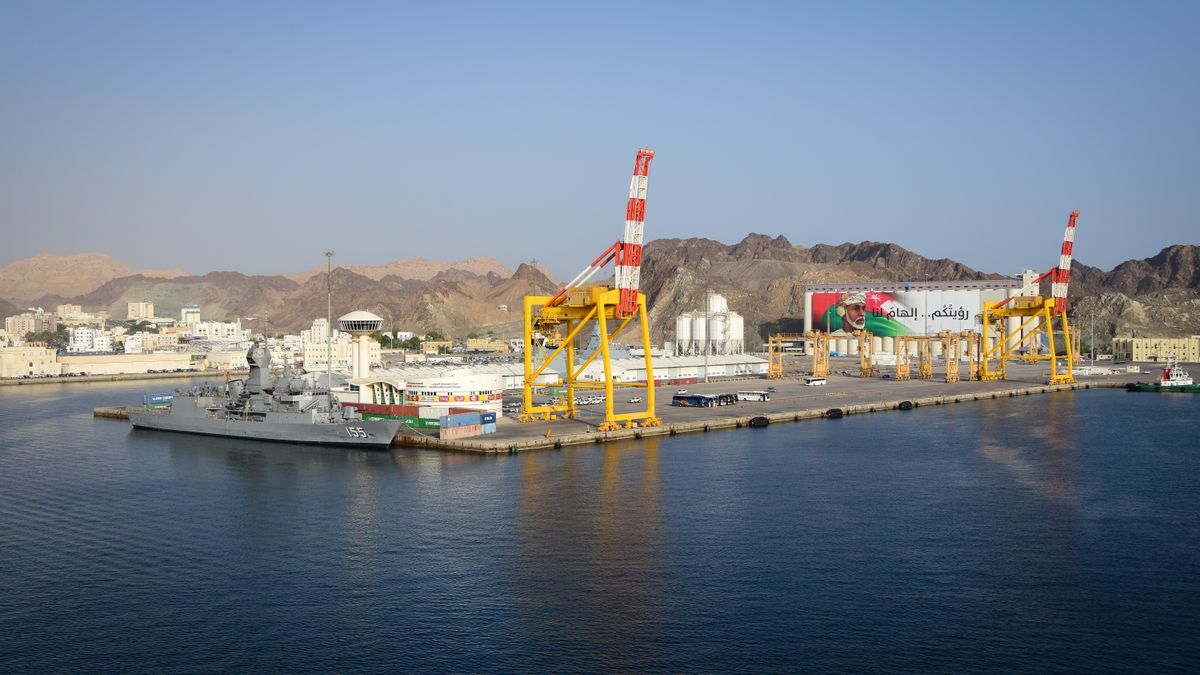
Oman’s involvement highlights the importance of quiet diplomacy during moments of international crisis. Unlike formal negotiations that often take place publicly, back-channel talks allow governments to explore possible solutions without immediately committing to major political decisions.
The Gulf state has previously helped facilitate discussions between the United States and Iran, including negotiations that contributed to diplomatic breakthroughs in earlier years. Its neutral approach has made Muscat a trusted location for difficult conversations.
As tensions rise, officials involved in diplomacy face a difficult challenge: finding areas of agreement while both governments continue to defend their own strategic interests.
For the United States, the focus remains on protecting regional security, limiting threats to allies, and preventing disruptions to international energy markets. For Iran, negotiations are closely tied to concerns about sovereignty, sanctions, and its position in the region.
Strait of Hormuz Becomes a Major Concern
The Strait of Hormuz remains one of the most strategically important waterways in the world. A narrow passage between Iran and Oman, it serves as a major route for global energy shipments.
Any disruption in the area could have immediate consequences for oil markets, transportation costs, and economies around the world. Even the possibility of conflict near the waterway can create uncertainty for businesses and consumers.
The strategic importance of the strait has made it a recurring point of tension between Iran and Western nations. Previous confrontations in the region have raised concerns about shipping security and the potential for a broader military crisis.
Analysts have repeatedly warned that a major incident near the waterway could quickly draw in regional powers and increase pressure on the global economy.
Trump Administration Faces Pressure Over Iran Strategy
The diplomatic developments come as President Donald Trump faces decisions about how to respond to Iran while avoiding a conflict that could become difficult to contain.
Trump has often emphasized using economic and political pressure to influence foreign governments, while also arguing that military action should serve clear strategic goals. The Iran crisis presents a complicated balance between showing strength and keeping diplomatic options available.
Supporters of a tougher approach argue that pressure is necessary to limit Iran’s regional activities. Critics warn that increased confrontation could create unintended consequences and pull the United States into another prolonged Middle Eastern conflict.
The administration’s next steps could shape not only U.S.-Iran relations but also the broader security environment across the Gulf region.
Iran Balances Defiance With Diplomatic Engagement
Iran has continued to present itself as a country willing to defend its interests while maintaining that it is open to diplomatic discussions under certain conditions.
Tehran’s leaders have frequently criticized U.S. policies, particularly economic sanctions and military pressure. At the same time, Iran has historically used diplomatic channels when negotiations serve its strategic goals.
The current situation reflects a familiar pattern: public statements often remain firm, while private discussions continue behind the scenes.
Diplomacy in such situations rarely produces immediate breakthroughs. Instead, negotiations often focus on smaller steps designed to reduce tensions and prevent miscalculations.
Regional Allies Watch Closely as Crisis Develops
Countries across the Middle East are closely monitoring the situation because any major confrontation between the United States and Iran could affect regional stability.
U.S. partners in the Gulf have security concerns tied to Iran’s military capabilities and regional influence. At the same time, many governments in the region have emphasized the importance of avoiding a conflict that could damage economic growth and security.
The possibility of disruption to energy supplies remains one of the biggest concerns. A prolonged crisis could affect everything from fuel prices to international trade.
For countries dependent on stable shipping routes, diplomacy is not only a political issue but also an economic priority.
The Road Ahead Remains Uncertain

The latest talks do not guarantee a breakthrough, but they show that diplomatic channels remain open despite deep disagreements between Washington and Tehran.
The coming days and weeks could determine whether both sides move toward de-escalation or whether tensions continue to rise. Much will depend on whether negotiators can identify practical steps that reduce immediate risks.
For Oman, the role is familiar but challenging: keeping communication alive between two governments with decades of mistrust.
For the United States and Iran, the stakes are enormous. A successful diplomatic effort could prevent a wider crisis, while failure could push the region closer to another dangerous confrontation.
As global leaders watch closely, the message from the diplomatic front is clear: the next moves made behind closed doors could have consequences far beyond the negotiating table.