Saudi Arabia Joins U.S. Fight Against Iran-Linked Fighters as Middle East Tensions Escalate
The Middle East conflict took a dramatic new turn as Saudi Arabia joined the United States in launching strikes against Iran-linked armed groups, marking one of the most significant military developments between Washington and Riyadh in the latest escalation with Tehran.
The operation came after a series of attacks that Saudi Arabia and the United States blamed on Iran-backed groups, including drone strikes targeting Saudi territory and continued assaults against American interests in the region. The strikes represent a major shift for Saudi Arabia, which has traditionally focused on defending its borders rather than directly joining U.S.-led military operations against Iranian-aligned forces inside Iraq.
The move raises concerns that the conflict between the United States and Iran could escalate, drawing more regional powers into a confrontation that has already affected energy markets, shipping routes, and security calculations across the Gulf.
A New Chapter in the U.S.-Saudi Response to Iran-Backed Groups
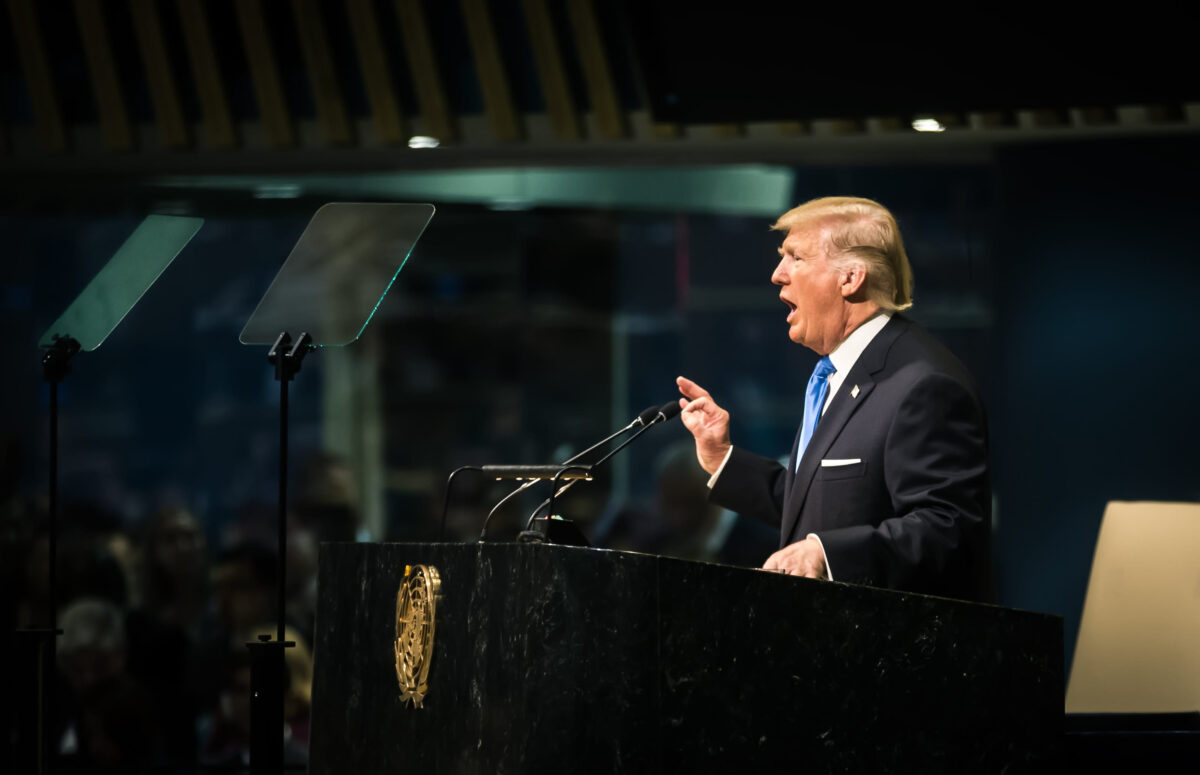
According to reports, U.S. and Saudi forces carried out coordinated airstrikes against locations linked to Iran-aligned armed groups in Iraq. The targets reportedly included weapons and logistics facilities used by groups accused of attacking U.S. forces and Saudi energy infrastructure.
The operation followed what Saudi officials described as drone attacks launched from Iraqi territory by Iran-affiliated militias. Saudi Arabia said its air defenses intercepted attacks aimed at locations including oil facilities in the Eastern Province and areas near Riyadh.
Saudi officials said the kingdom was acting in self-defense and reserved the right to respond to threats against its territory. The Saudi Foreign Ministry stated that the attacks violated its sovereignty and that the kingdom would take measures necessary to protect its citizens and critical infrastructure.
The United States also said Iran-linked groups had carried out repeated attacks against American forces and allies. U.S. officials described the strikes as a response designed to deter further attacks rather than the beginning of a broader campaign.
The timing is significant because Saudi Arabia has spent years attempting to balance security concerns with diplomatic efforts to reduce tensions in the region. Riyadh restored diplomatic relations with Tehran in 2023 after a Chinese-brokered agreement, but recent attacks have tested that fragile improvement.
Iran’s Regional Network Comes Under Pressure
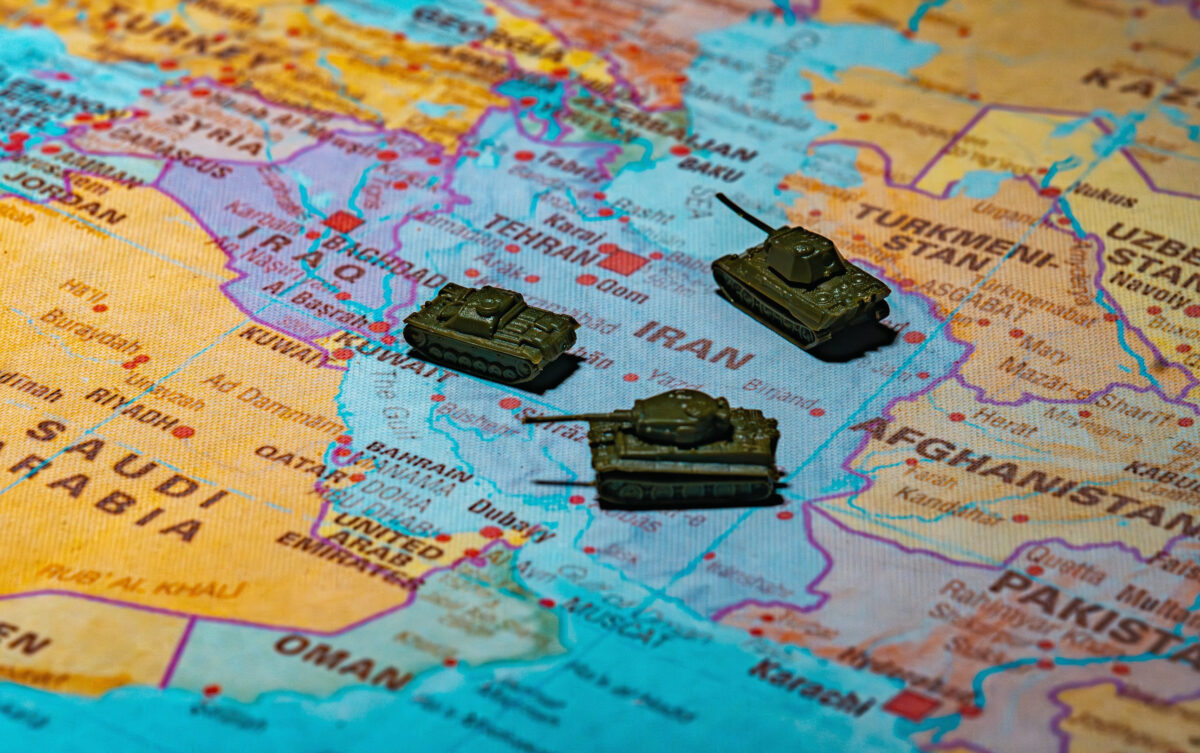
The conflict is not only about Iran and Saudi Arabia. It reflects a much larger struggle involving Iran’s network of allied armed groups across the Middle East.
Iran has built relationships with several armed movements throughout the region, including groups in Iraq, Yemen, Lebanon and Syria. These groups have played a major role in regional conflicts and have frequently been accused by Washington and its allies of acting as extensions of Iranian military influence.
Iraq has become one of the most sensitive locations in this struggle because it hosts both U.S. military personnel and powerful Iran-aligned militias. Baghdad has repeatedly faced pressure from both Washington and Tehran as it attempts to maintain its own sovereignty.
The latest strikes risk creating another challenge for Iraq’s government, which has struggled for years to control all armed groups operating inside its borders. Any escalation involving foreign military action on Iraqi soil could intensify political debates inside the country.
Saudi Arabia’s involvement also carries symbolic importance. The kingdom and Iran have historically competed for influence across the region, but in recent years both countries have pursued limited diplomatic engagement.
The return of direct military confrontation shows how quickly those diplomatic gains can be threatened when security interests collide.
Why the Conflict Matters Beyond the Middle East

The escalation has global consequences because the Gulf region remains one of the world’s most important energy hubs.
Saudi Arabia is the world’s largest oil exporter, and any threat to its production facilities or shipping routes can affect global markets. Previous attacks on Saudi oil infrastructure have caused sharp spikes in energy prices and heightened fears of supply disruptions.
The latest tensions also come as the United States and Iran remain locked in a wider confrontation involving military pressure, sanctions and disputes over regional influence. Reports said Iran recently launched a missile attack targeting U.S. positions in the region, although American forces said the missiles were intercepted.
The situation has also placed attention on the Strait of Hormuz, one of the most important waterways for global oil shipments. Any prolonged instability there could affect fuel prices and international trade.
Despite the military response, officials from several countries continue to call for preventing a wider war. Saudi Arabia has repeatedly said it does not seek escalation but will defend itself against attacks.
The United States faces a similar challenge: responding strongly enough to deter attacks while avoiding a conflict that could spread across the region.
For now, the U.S.-Saudi strikes represent a significant moment in the Middle East’s ongoing power struggle. They show that regional alliances are shifting quickly and that attacks by Iran-linked groups can trigger responses far beyond their original targets.
As tensions continue, the biggest question remains whether this latest military action will discourage further attacks or become another step toward a much larger confrontation.