Ameren Rate Hike Plan Could Raise Electricity Bills as Utility Prepares for a New Era of Power Demand
Ameren customers could soon face higher electricity bills as the utility moves forward with plans to invest in grid upgrades, infrastructure improvements and a more modern energy system. The proposed changes come as utilities across the country face rising costs from aging equipment, extreme weather risks and growing demand for electricity driven by technology, manufacturing and artificial intelligence.
The debate surrounding Ameren’s rate plan is about more than a monthly bill increase. It reflects a larger challenge facing the U.S. power sector: how to rebuild an aging electric grid while keeping energy affordable for millions of households and businesses. As regulators review the proposal, customers are watching closely to see how much they may pay and what improvements they will receive in return.
Why Ameren Is Seeking Higher Rates From Customers
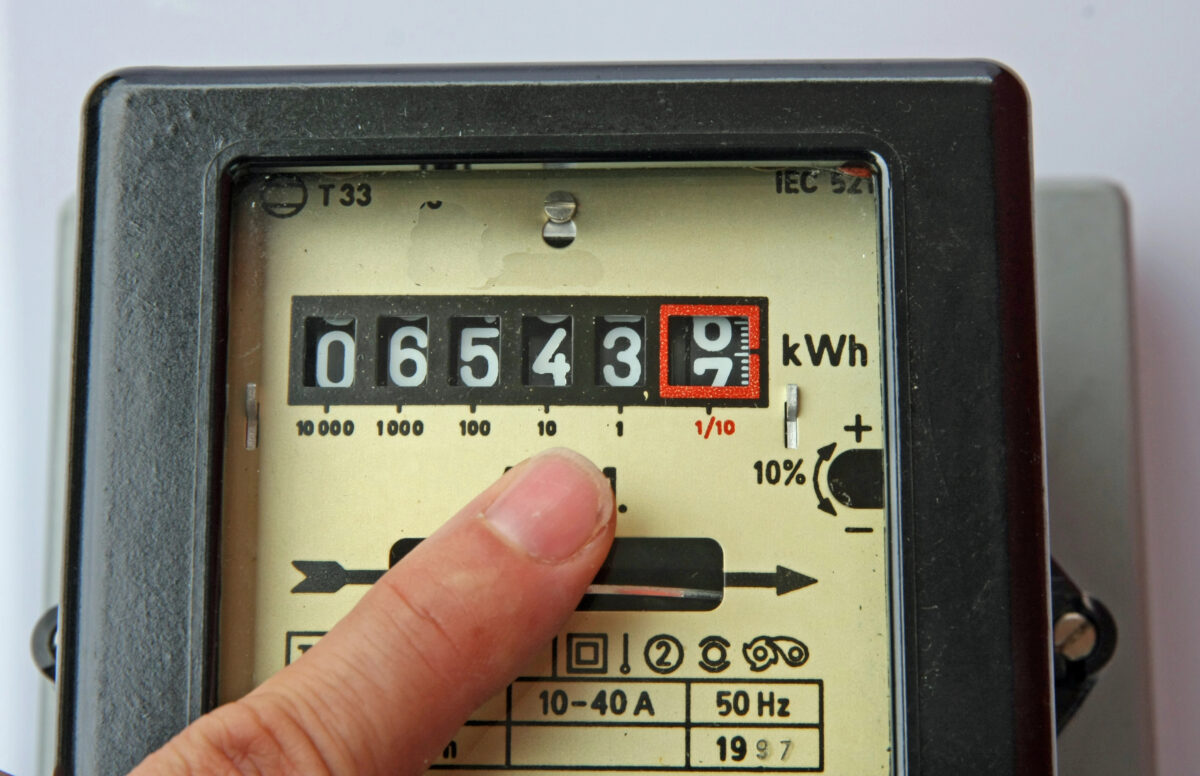
Ameren’s request comes as electric utilities face increasing pressure to maintain and upgrade infrastructure that was built decades ago. Power grids across the country require major investment in transmission lines, substations, transformers and technology systems designed to prevent outages and improve reliability.
The company’s plan is expected to support infrastructure improvements aimed at strengthening the electric system and preparing for future energy needs. Utility officials argue that these investments are necessary to maintain dependable service, especially as communities face more frequent weather-related disruptions and rising electricity demand.
The Aging Grid Problem Is Driving Utility Costs Higher
Many parts of America’s electric infrastructure were designed for a different era when electricity demand was more predictable, and energy systems were less complex. Today, utilities must manage growing electricity consumption, replace aging equipment, and improve networks that were not built for modern demands.
Upgrading the grid requires significant financial resources, and utilities often recover those costs through customer rates approved by state regulators. The challenge is finding a balance between making necessary improvements and preventing electricity costs from becoming too burdensome for households.
Electricity Demand Is Rising as Technology Changes the Energy Landscape
One major factor reshaping the power industry is the rapid growth of electricity-intensive industries. Data centers, artificial intelligence systems, advanced manufacturing facilities, and electric vehicles are increasing demand for reliable power supplies.
This shift is creating a new challenge for utilities like Ameren. Companies must expand capacity while ensuring the grid can handle larger electricity loads without increasing the risk of outages. The investment decisions being made today could shape how communities receive power for decades.
Customers Are Asking What Higher Bills Will Deliver
For many households, the biggest question is simple: how much will the proposed rate increase affect monthly expenses? Even a small increase can become significant over a year, especially for families already dealing with higher costs for housing, food and other essential services.
Consumer advocates often argue that utilities must clearly explain how additional revenue will improve service. Customers want to know whether higher bills will lead to fewer outages, faster repairs, improved reliability and a stronger energy system.
The Reliability Debate: Paying More Now to Avoid Bigger Problems Later
Ameren and other utilities argue that investment in infrastructure can prevent higher costs in the future. A stronger grid can reduce the impact of storms, improve emergency response, and help communities recover faster when power failures occur.
However, some customers and consumer groups worry about affordability. Electricity is a basic necessity, and higher rates can create challenges for seniors, low-income households, and families living on fixed budgets. Regulators must weigh both reliability needs and financial concerns before approving any changes.
Extreme Weather Is Changing How Utilities Plan for the Future
Severe weather events have become a major factor in energy planning. Powerful storms, heat waves and other climate-related challenges can damage infrastructure and create widespread outages that affect homes, businesses and public services.
Utilities are increasingly investing in stronger equipment, automated systems and improved monitoring technology to make power networks more resilient. These upgrades can improve reliability, but they also require significant spending that often becomes part of rate discussions.
Smart Technology Is Becoming a Bigger Part of the Electric Grid
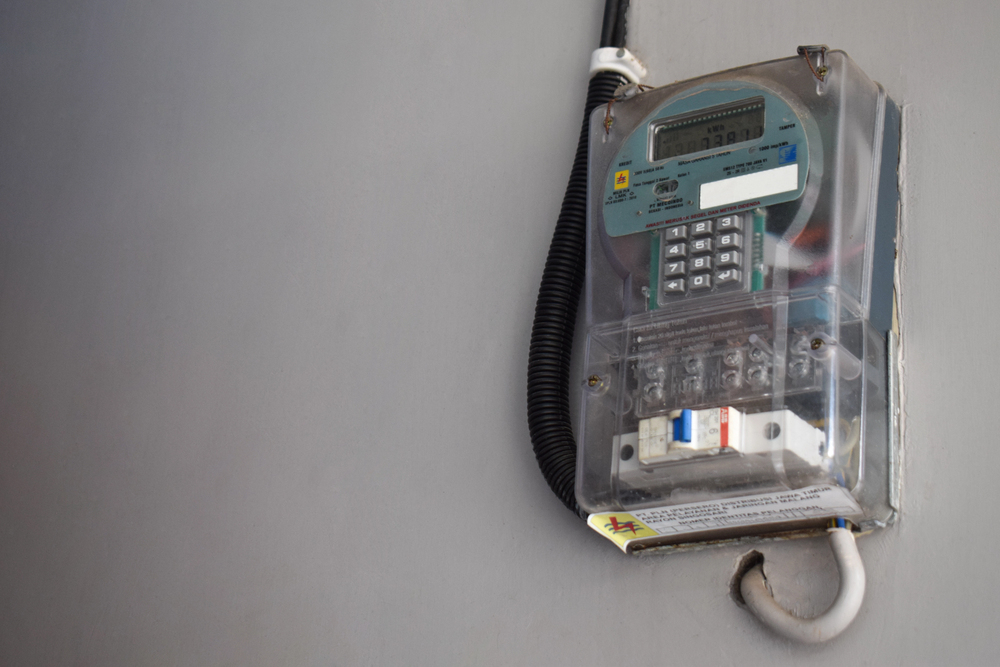
Modern grid investments are not only focused on physical infrastructure. Utilities are also adopting digital tools designed to improve efficiency and respond faster to problems.
Smart meters, automated outage detection systems, and advanced monitoring technology allow utilities to identify issues more quickly and manage electricity demand more effectively. These improvements are becoming increasingly important as the energy system becomes more complicated.
The Rate Decision Will Come Down to Regulators
Ameren’s proposal will ultimately depend on approval from state regulators who must examine the company’s financial request, projected costs and expected benefits. Regulators typically review whether proposed spending is reasonable and whether customers are receiving value for the additional charges.
Public hearings, consumer feedback and expert analysis often play a role in the final decision. Regulators can approve the request as submitted, reduce certain costs or require changes before allowing new rates to take effect.
Ameren’s Plan Reflects a Bigger Shift Across America’s Energy System
The challenges facing Ameren are part of a broader transformation happening throughout the U.S. energy industry. Utilities nationwide are investing in grid modernization as electricity becomes more important for transportation, technology and economic growth.
The transition is creating difficult choices. Communities want cleaner, more reliable and more advanced energy systems, but those improvements require investment. The question facing policymakers is how to build the future grid while ensuring ordinary customers can continue to afford the electricity they depend on.
The Future of Electricity May Depend on Finding the Right Balance
Ameren’s rate plan represents a larger conversation about the future of energy in America. The country needs stronger infrastructure, but it also needs pricing policies that protect customers from sudden financial pressure.
As regulators consider the proposal, the outcome will determine more than a new electricity bill. It will show how communities balance the cost of modernization with the need for reliable, affordable power in a rapidly changing energy environment.