Cyberattacks Hit Water Systems in 7 States, Exposing a Dangerous Failure America Was Warned About
The kitchen faucet has become part of America’s expanding cyber battlefield. Hackers reached technology connected to water systems in at least seven states, locked operators out of industrial controls, and caused operational problems that included pressure loss and flooding.
No known drinking water supply became contaminated, and officials reported no public health emergency in Minnesota or Michigan. That welcome outcome should not soften the central fact: attackers successfully reached equipment responsible for moving, monitoring, and treating water in American communities.
The incidents were not an unforeseeable technological disaster. Federal agencies had warned for months that hostile actors were targeting the same kinds of internet-connected industrial controllers. Yet dozens of utilities remained exposed when the attacks arrived.
One Weak Password Can Reach a Water Pump
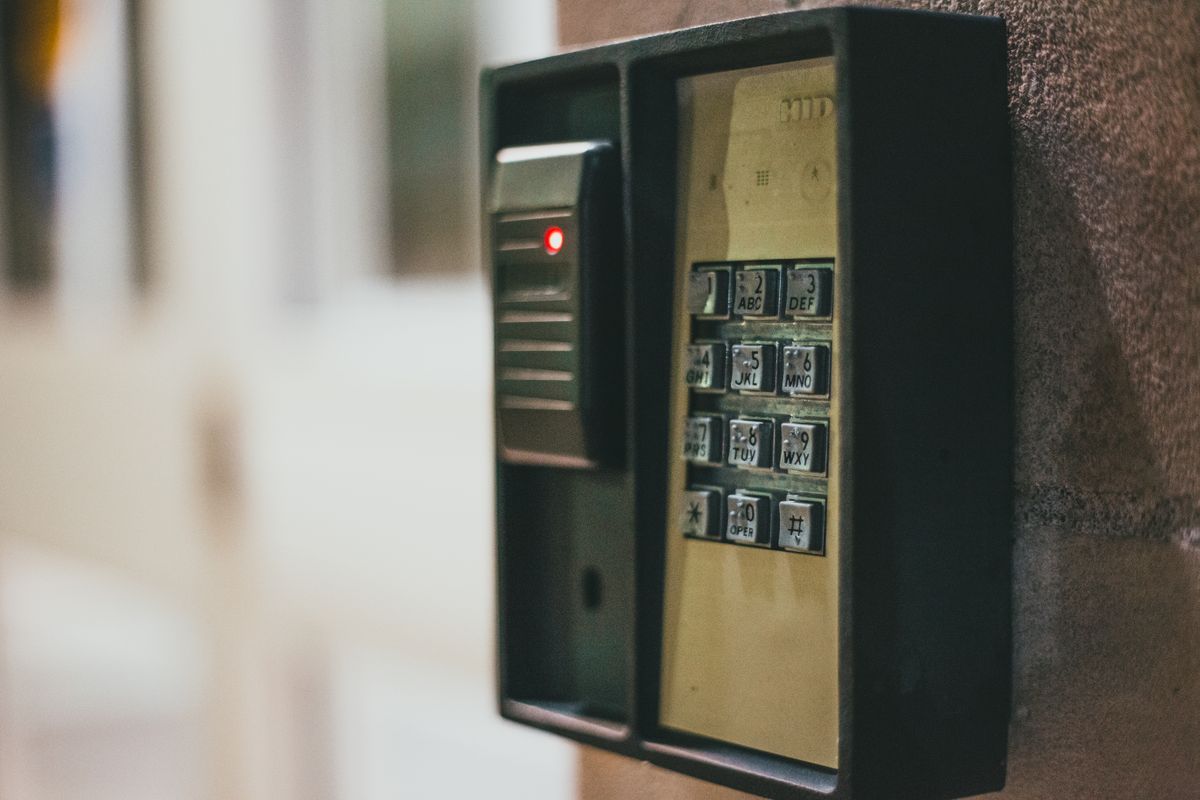
The attacks targeted programmable logic controllers, commonly called PLCs. These industrial computers operate physical equipment such as pumps, valves, storage tanks, pressure systems, and wastewater lift stations. They often sit behind the ordinary services Americans use without thinking twice.
Unlike a compromised office laptop, a manipulated PLC can change what happens inside a treatment plant. It can interfere with a pump, disrupt pressure, or leave workers unable to see whether remote equipment is functioning. A successful intrusion can therefore move quickly from the digital world into streets, homes, and businesses.
The FBI and Environmental Protection Agency warned that attackers accessed controllers exposed to the public internet. They changed passwords and internet protocol addresses, causing utilities to lose monitoring and control functions.
At least one victim also found suspicious alterations in the project files that tell controllers how to operate. That is the disturbing simplicity behind this campaign. The attackers did not need to break into a fortified military network. In some cases, vulnerable industrial equipment was already reachable online.
Minnesota Became the Warning Every State Should Fear
More than 30 Minnesota community water systems experienced malicious cyber activity during July 26 and 27. The incidents shared similarities in timing and targeted technology, although investigators had not confirmed that one attacker caused every event.
Braham offered one of the clearest examples of how close a cyber incident can come to affecting ordinary households. The city lost computerized operating controls serving its well and treatment plant. For roughly 90 minutes, Braham relied on water already stored inside its municipal tower.
Residents were asked to conserve water, while public works employees isolated the affected technology, restored a backup, and restarted the plant. The tower reportedly held enough water for about two days, preventing an immediate loss of service. Drinking water remained safe, but the city’s protection came from limited stored capacity and a fast local response.
If employees had detected the failure later, if the tower had been nearly empty or if the backup had not worked, the outcome could have been worse. Homes could have experienced pressure loss. Firefighters, nursing facilities, schools, and restaurants could have faced service interruptions.
Plymouth also suffered a communications outage involving two water towers and multiple wastewater lift stations. The city confirmed that affected equipment used cellular connections. Workers temporarily relied on manual procedures while restoring communications.
South St. Paul moved parts of its utility into manual operation after identifying a technology problem. Employees kept water and wastewater services running, and officials found no indication that customer information had been accessed. Once again, human operators prevented an intrusion from becoming a public emergency.
Michigan Proved This Was Not Just Minnesota’s Problem
Michigan later reported similar activity at nine water systems. State officials said local operators addressed the problems and that the systems continued operating safely. No known public health consequences were reported. The FBI has not publicly named the remaining affected states.
That silence may protect an active investigation, but it leaves Americans without a complete picture of where the attackers operated. “At least seven states” could remain the final number, or it could represent only the incidents authorities had confirmed when they issued the warning.
The national spread undermines any suggestion that this was merely a local technology failure. Attackers found weaknesses across state lines. Similar equipment, shared contractors, and repeated network configurations may have helped them reproduce the same attack against several utilities.
The FBI specifically warned that third-party providers may have installed comparable hardware and network setups for multiple customers. One poorly designed configuration can therefore become dozens of vulnerable access points. A mistake made during installation in one town may quietly exist in another state for years.
The Water Stayed Safe, but the System Did Not
Officials have emphasized that no known drinking water supply became unsafe in Minnesota or Michigan. That distinction matters because residents should not panic or begin boiling water without a local advisory. It does not mean the attacks were harmless.
Federal authorities received reports of pressure loss and flooding at victim facilities. Low pressure can allow untreated groundwater to enter compromised pipes. Utilities may then need to test the system and issue precautionary boil-water notices until they can verify safety.
Flooding can damage equipment, overwhelm workers, and increase repair costs. Manual operation may keep a plant functioning, but it demands more labor and creates additional opportunities for mistakes. Smaller utilities may have only a few qualified operators available to manage the emergency.
Americans already pay water bills, local taxes, and infrastructure fees with the expectation that essential systems will remain secure. They should not have to depend on an employee noticing a malfunction before storage tanks empty. They should not have to hope that an aging controller still has a usable backup.
The absence of contamination reflects functioning safety layers, physical storage, and rapid operator response. It does not erase the unauthorized access. The attackers still reached technology that communities depend on for survival.
A water plant may operate several miles from its pumps, towers, and wastewater stations. Cellular modems and remote connections allow workers or contractors to monitor those facilities without traveling to each location. The convenience saves time and money.
That same convenience becomes a liability when no one properly secures the connection. A forgotten modem can create an unmonitored path into operational equipment. A default password can give an attacker control without requiring a sophisticated exploit.
Even utilities with mature security programs may not know about every external connection. Contractors and system integrators can install modems that never enter the utility’s central inventory. Attackers can then discover equipment that the utility itself has forgotten.
This is how a quiet cybersecurity failure can become a physical infrastructure problem. A changed password blocks an operator. A blocked operator cannot confirm whether a pump is running. A stalled pump reduces pressure, and a pressure problem can eventually reach homes, hospitals, and hydrants.
America Received Warnings and Still Remained Exposed
Federal agencies did not discover this threat in July. In April 2026, the FBI, CISA, NSA, EPA, Department of Energy, and U.S. Cyber Command issued an urgent joint advisory. It warned that Iranian-affiliated actors were exploiting internet-connected PLCs across water, energy, and government facilities.
The advisory described attackers manipulating project files and information displayed on industrial control screens. Some victims experienced operational disruption and financial losses. Federal officials urged organizations to remove PLCs from direct internet exposure.
The latest attacks arrived months after that warning. They also followed years of evidence that foreign actors considered American water systems attractive targets. The danger was neither theoretical nor hidden.
EPA inspections had already uncovered poor security practices. In a 2024 enforcement notice, the agency said more than 70 percent of inspected systems violated basic risk assessment or emergency planning requirements. Inspectors found default passwords and shared employee accounts and access that remained active after workers left.
EPA later reported identifying cybersecurity weaknesses at 277 systems and helping correct 350 vulnerabilities during 2025. That work was valuable, but the current attacks demonstrate the enormous distance between fixing hundreds of weaknesses and securing an entire national sector.
America’s Fragmented Water Network Is an Attacker’s Opportunity
The EPA counts more than 148,000 public water systems across the United States. Approximately 50,000 are community systems serving the same residents throughout the year. Together, those community systems provide water to roughly 90 percent of the population.
That scale makes universal cybersecurity difficult. America does not operate one national water network with one security team. It relies on thousands of municipal departments, regional authorities, private operators, rural districts, and specialized systems.
Large utilities may employ cybersecurity professionals and monitor networks around the clock. A small town may have only a few employees responsible for treatment, pumping, sewage, roads, and repairs. Cybersecurity then competes for money with broken pipes, aging pumps, chemical costs, and employee salaries.
Residents feel those limitations through rising water bills and infrastructure fees. Yet rate increases do not automatically produce stronger security. Many communities must spend heavily just to keep decades-old physical equipment working.
Industrial controllers create another problem because utilities may use them far longer than ordinary computers. A pump controller can continue performing its mechanical function even after the manufacturer stops releasing security updates. The equipment appears dependable until an attacker exploits its outdated software or exposed connection.
Iran Is Suspected, but Americans Still Lack a Final Answer

Investigators are examining whether Iranian-affiliated hackers conducted the latest attacks. The methods resemble activity previously attributed to groups linked to Iran’s Islamic Revolutionary Guard Corps. However, the government has not formally named the perpetrator.
That uncertainty is important. Attackers can route traffic through servers in different countries, reuse another group’s tools, or intentionally imitate a known adversary. Investigators must examine network records, device logs, malware, and control-file changes before reaching a defensible conclusion.
Iran nevertheless remains a serious lead because of its documented history. During a campaign beginning in November 2023, the Iranian-affiliated CyberAv3ngers group compromised at least 75 internet-connected devices in the United States. Water and wastewater facilities were among the targets.
The pattern reaches back further. In 2013, an Iranian hacker accessed the control system at the Bowman Avenue Dam in Rye, New York. The intrusion exposed information about water levels, temperature, and the status of the sluice gate.
The attacker could normally have manipulated the gate remotely. Workers had physically disconnected it for maintenance, preventing that outcome. The Justice Department later said remediation cost more than $30,000.
We have therefore seen the same fundamental warning for more than a decade. Internet-connected infrastructure gives hostile actors a path toward physical systems. America has continued connecting more equipment without securing every door.
Political Theater Arrived Before Technical Answers
The investigation quickly became another political fight. President Donald Trump rejected the possibility of Iranian responsibility and blamed Minnesota and Gov. Tim Walz, although he presented no technical evidence supporting that accusation.
Walz responded by accusing the administration of weakening CISA through federal cuts. He argued that reduced cybersecurity capacity had left the country more exposed. The confrontation produced partisan headlines while investigators were still collecting evidence.
Americans deserved clearer answers. They needed to know how many devices remained exposed, whether the same contractor served multiple victims, and how quickly utilities could disconnect vulnerable equipment. Instead, national attention shifted toward familiar political hostility.
Minnesota was not the only state affected. Utilities in at least six other states reported incidents to the FBI. Any serious investigation must therefore examine a national pattern rather than treating the campaign as one governor’s local failure.
Political accountability still matters. Federal agencies, state governments, municipal leaders, contractors, and equipment manufacturers all influence water cybersecurity. However, blame should follow evidence, not replace it.
The Most Basic Fixes Were Also the Most Urgent.
The FBI and EPA urged utilities to disconnect PLCs from the public internet. Remote access should pass through secure gateways that authenticate users, record activity, and limit communication. No industrial controller responsible for essential operations should remain directly accessible to anyone scanning the internet.
Utilities must replace default passwords with strong, unique credentials. They need firewalls and access controls that permit connections only from approved systems. Cellular modems require the same scrutiny as equipment connected through traditional networks.
Operators should place controller switches in the run position after confirming that legitimate instructions are loaded. That setting can block unauthorized changes to operating logic, configuration, and firmware. Programming access should remain available only during approved maintenance.
Utilities also need verified backups that attackers cannot alter. Employees should compare active controller files against known safe versions and inspect workstations, modems, and control screens for additional compromise. Restoring an infected backup would simply return the attacker’s changes to the system.
Manual operation must remain more than an emergency-plan promise. Workers need regular training for disabled communications, pressure loss, and corrupted control files. Every facility should know how long storage will last and how quickly employees can reach remote equipment.
Residents Should Not Have to Guess Whether the Tap Is Safe
Water utilities must provide fast and specific public notices during cyber incidents. Residents should know whether the problem affects administrative computers, remote monitoring, physical operations, or water quality. Vague statements create anxiety and allow false information to spread.
People should not boil water unless local health or utility officials issue an advisory. A cyberattack does not automatically mean contamination occurred. Boil-water notices often follow pressure loss as a precaution while technicians collect samples.
When authorities issue an advisory, the CDC recommends using bottled, boiled, or properly treated water for drinking, cooking, brushing teeth, and making ice. Boiling kills germs, but it does not remove toxic chemicals or fuel. Residents must follow the exact instructions issued for their community.
Families can also store at least one gallon of water per person per day for three days. That preparation helps during cyberattacks, storms, pipe breaks, and treatment failures. It should be a backup, not an excuse for public officials to accept insecure infrastructure.
The Next Attack May Not End as Quietly
The seven-state campaign did not produce a confirmed national drinking water emergency. Operators reacted quickly, towers held enough water, and backups worked. America should view that result as a narrow warning, not a comfortable victory.
The attackers reached operational technology after years of federal alerts. They locked out operators, disrupted monitoring, and produced physical consequences at some facilities. Those facts reveal a system that remains dangerously uneven.
Americans can replace a stolen credit card or reset a social media password. They cannot replace the water coming into their homes, schools, hospitals, and fire hydrants. A community has no practical alternative when its only treatment plant loses control.
The most troubling question is no longer whether hackers can reach American water infrastructure. They already have. The question is what happens when the next attacker finds a community without a full tower, a clean backup, or an experienced operator standing between a compromised controller and thousands of kitchen faucets.