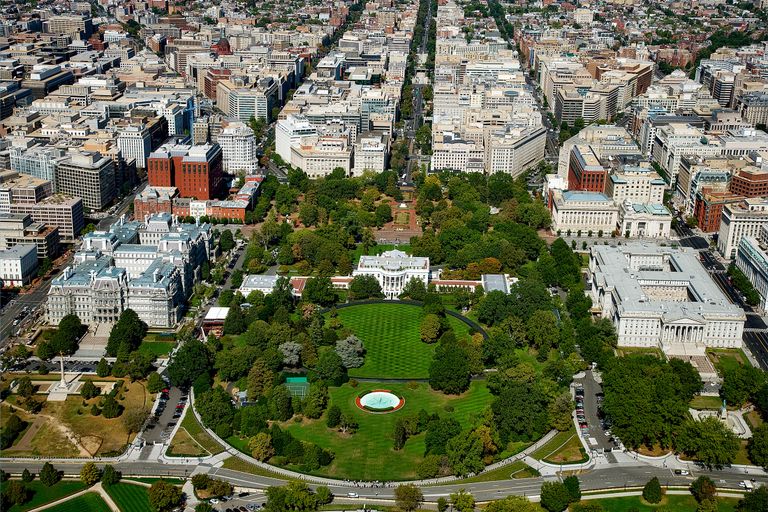
Washington Under Heat Pressure as Extreme Temperatures and Wildfire Threats Sweep the West
A dangerous stretch of extreme heat is gripping parts of the western United States, putting millions of residents at risk as soaring temperatures combine with dry conditions to create a serious wildfire threat across the region.
From California to the Pacific Northwest, officials are warning communities to prepare for hazardous heat, worsening drought conditions and the possibility of fast-moving fires. The combination of record-breaking temperatures, dry vegetation and gusty winds has created a volatile environment where even a small spark could trigger a major emergency.
Meteorologists say the heat wave is not just uncomfortable. For many people, especially older adults, outdoor workers and those without reliable cooling, the conditions could become life-threatening.
Extreme Heat Spreads Across Western States
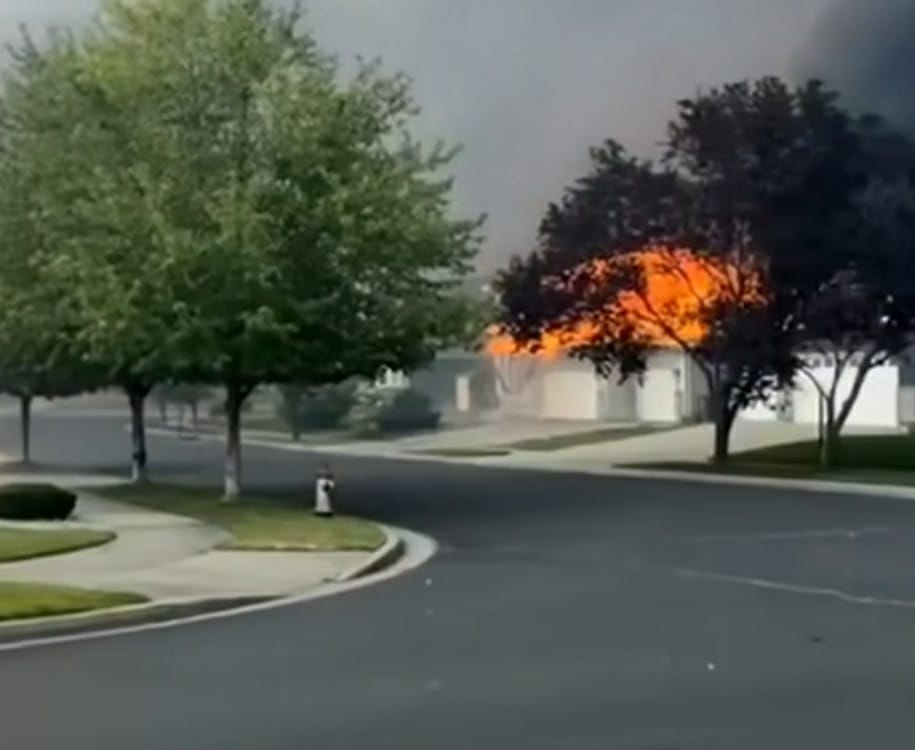
A broad area of the West has been experiencing intense heat, with temperatures climbing well above seasonal averages in several states.
Cities across the region have faced days of triple-digit temperatures, prompting heat alerts and public safety warnings. Officials have urged residents to limit outdoor activities during the hottest parts of the day, stay hydrated, and check on vulnerable neighbors.
The heat has placed additional pressure on power systems as millions of residents turn on air conditioning to escape dangerous conditions. Utility providers have encouraged customers to conserve electricity when possible to help maintain reliability during peak demand.
Health officials have repeatedly warned that extreme heat can become deadly quickly. Heat exhaustion and heat stroke can develop when the body cannot regulate its temperature, particularly during prolonged periods of high temperatures.
Emergency agencies have encouraged residents to recognize warning signs, including dizziness, confusion, heavy sweating and weakness.
Wildfire Conditions Raise New Concerns
While the heat itself is a major concern, officials are also focused on the growing wildfire danger. Dry landscapes across parts of the West have created conditions where fires can spread rapidly. Hot temperatures remove moisture from plants and soil, turning forests, grasslands and brush into potential fuel sources.
Fire officials have warned that the combination of heat, dry vegetation and changing weather patterns can make firefighting more difficult. In some areas, authorities have increased wildfire monitoring, expanded staffing and prepared emergency response plans as the threat level rises.
The Pacific Northwest, including parts of Oregon and Washington, has also faced elevated fire concerns as heat pushes into areas that have historically experienced major wildfire events.
Wildfire experts say preparation is critical because conditions can change quickly. A quiet afternoon can turn into a dangerous situation if winds increase and a fire gains momentum.
Communities Prepare for Possible Emergencies
Local governments across the West have been preparing for the possibility of heat-related emergencies and wildfire evacuations. Cooling centers have been opened in some communities to provide relief for residents who do not have access to air conditioning. Emergency officials have also reminded people to create evacuation plans and keep important documents ready in case they need to leave quickly.
Residents living near forests and wildfire-prone areas have been advised to clear dry vegetation around homes, maintain defensible space, and remain aware of local evacuation alerts. Officials emphasize that preparation before a wildfire begins can make a major difference. Once flames spread, roads can become crowded, and evacuation options may become limited.
The increased wildfire risk also affects air quality. Smoke from large fires can travel hundreds of miles, affecting communities far from the actual flames. People with asthma, heart conditions, or other health concerns are often among those most affected.
Heat Waves Becoming a Growing Challenge
The latest heat event comes as western states continue facing the broader challenge of adapting to more frequent and intense heat waves. Scientists have linked rising temperatures to a range of climate-related impacts, including longer heat seasons, drier conditions and increased wildfire risks.
Communities across the West have invested more resources into wildfire prevention, emergency response and heat preparedness as extreme weather events become more disruptive. However, officials say individual preparation remains one of the most important tools. Simple steps, such as staying indoors during peak heat, drinking enough water and checking on vulnerable people, can reduce health risks.
For firefighters and emergency crews, preparation is equally important. Hot and dry conditions can create dangerous working environments for those battling wildfires.
A Critical Test for the West
As millions of people face dangerous heat and elevated wildfire concerns, the coming days will test emergency systems across the region.
The challenge is not only managing high temperatures but also preventing small hazards from becoming major disasters. Communities are balancing public safety warnings, energy demands and wildfire readiness while residents adjust to another period of extreme weather.
For many people across the West, the message from officials is clear: take the heat seriously, stay informed and be prepared.
With temperatures expected to remain high and wildfire conditions still a concern, the region is entering a critical period where awareness and preparation could help protect lives and property.