Gas Prices Are Rising Again as Drivers Across America Face Bigger Bills at the Pump
This article was originally published on Crafting Your Home. A human contributor also wrote and edited the post.
Millions of American drivers are feeling renewed pressure at the gas pump as fuel prices climb across many states, creating fresh concerns for households already dealing with higher everyday expenses.
The latest state-by-state fuel data from AAA shows significant differences in what drivers are paying depending on where they live. While some states continue to enjoy lower prices, others are seeing averages move well above the national level, putting more strain on commuters, travelers and families planning summer trips.
AAA’s latest figures show the national average for regular gasoline has moved above $4 per gallon, with regional factors, supply conditions and global oil market changes contributing to price differences across the country.
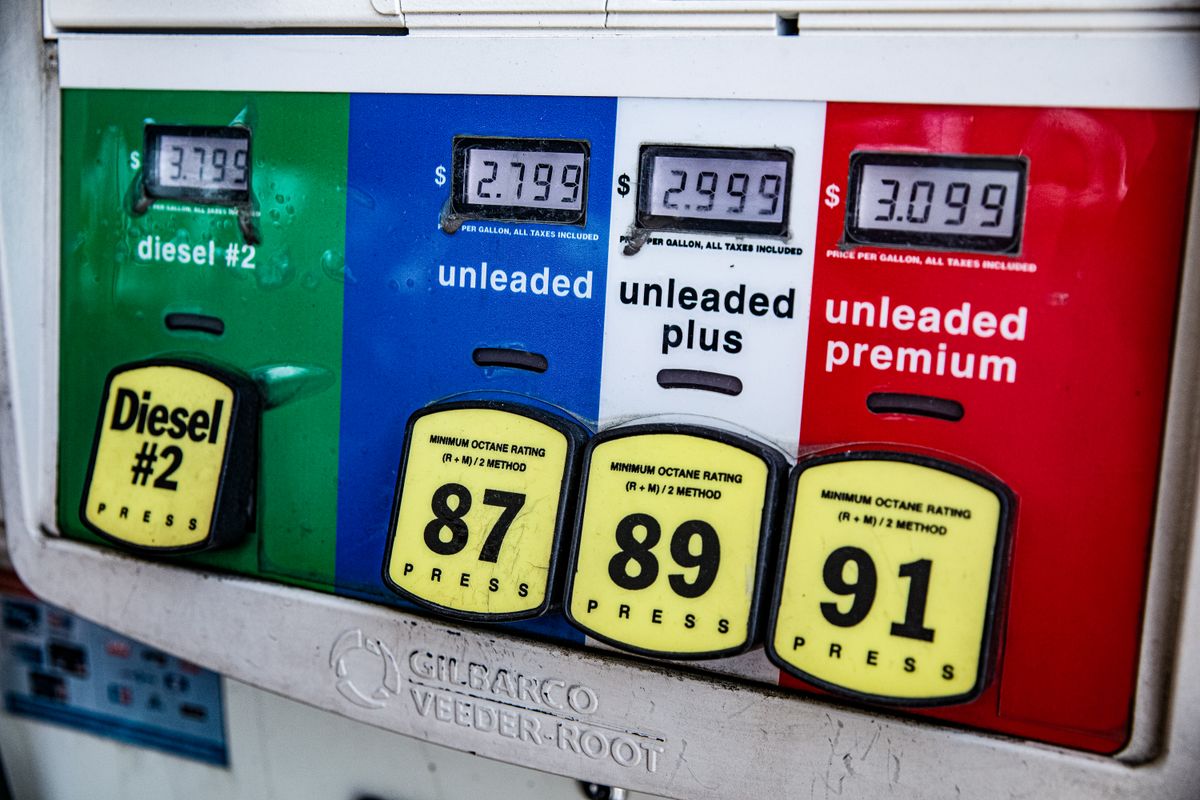
The increase is creating a familiar challenge for consumers: when fuel costs rise, the impact often reaches beyond the gas station. Higher transportation expenses can affect everything from household budgets to the cost of goods delivered across the country.
Why it matters
Gas prices are one of the most visible signs of economic pressure because they directly affect millions of Americans every week.
Unlike some expenses that appear once a month, fuel costs are felt immediately by drivers who need to fill up for work, school, errands and daily responsibilities. A small increase per gallon can become a noticeable expense for people who drive long distances or operate larger vehicles.
AAA’s state averages show that drivers in different parts of the country are experiencing very different fuel markets. States with higher taxes, transportation costs or limited refining access often see higher prices, while areas closer to fuel supply networks can benefit from lower costs. (AAA State Gas Price Averages)
California, Hawaii, Washington and other coastal states have historically ranked among the most expensive fuel markets, while several southern and central states often record lower averages because of their proximity to major fuel production and refining regions. (AAA Fuel Prices)
The differences between states can mean drivers traveling across state lines may see dramatic changes in what they pay within a short distance.
For families, rising fuel costs can force difficult decisions. Some drivers may reduce unnecessary trips, adjust travel plans, or search for cheaper fuel locations to manage their budgets.
The impact also extends beyond personal vehicles. Trucking companies, delivery services and businesses that depend on transportation often face higher operating costs when fuel prices increase.
Those expenses can eventually influence prices for products and services because transportation is a major part of the supply chain.
Fuel prices are shaped by several factors, including crude oil costs, refinery operations, seasonal demand, and global events. Recent market volatility has added uncertainty, making it harder for drivers to predict where prices will move next. (AAA Gas Prices)
Summer travel demand can also affect pump prices. More people on the road typically increases gasoline consumption, which can place additional pressure on fuel markets.
For states that rely heavily on tourism, higher gas prices can create mixed effects. Visitors may still travel, but they may spend less money on restaurants, shopping and attractions after paying more to reach their destinations.
The latest price changes also come as consumers continue watching inflation closely. Gasoline prices often influence public perceptions of the economy because they are one of the first costs people notice changing.

Even when other economic indicators improve, higher fuel prices can make households feel like their budgets are under pressure.
AAA’s state data gives drivers a clearer picture of where prices stand across the country and helps show how fuel costs vary from one region to another. (AAA State Gas Price Averages)
Experts often recommend comparing local fuel prices, maintaining vehicles properly and combining trips when possible as ways drivers can reduce spending.
However, individual savings strategies cannot completely protect consumers from broader market forces. Global oil prices, supply disruptions and regional conditions continue to play major roles in determining what Americans pay at the pump.
For many drivers, the biggest question is whether prices will continue climbing or begin easing in the weeks ahead.
As fuel markets remain unpredictable, households across the country are watching every trip to the gas station more closely. The price displayed on the pump has become more than just a number. It is a daily reminder of how global events can quickly affect everyday life.
If you like what you just read, then subscribe to our newsletter and follow us on social media.