Trump’s 300 Capital One Accounts Became the Center of a Bigger Fight Over Banking Power and Political Influence
A banking dispute involving hundreds of Trump-linked accounts has turned into a national debate over where financial compliance ends and political influence begins. Capital One says anti-money laundering concerns drove its decision, while Donald Trump’s legal team argues the closures were politically motivated.
The fight between Donald Trump and Capital One is no longer just about a closed bank account. It involves a complex network of more than 300 accounts tied to Trump-branded businesses, a major financial institution defending its compliance process, and a broader debate over whether banks have too much power over who gets access to financial services.
Capital One revealed in a court filing that it closed Trump-related accounts in 2021 after months of review by its anti-money laundering team. The bank said the decision came after financial activity showed characteristics that raised concerns under its internal compliance policies.
Trump’s legal team has rejected that explanation, claiming the bank’s decision was an example of political debanking, a term used to describe situations where financial institutions allegedly cut off customers because of their political views or public positions.
The case now sits at the intersection of banking regulations, political controversy, and a growing national conversation about financial access.
More Than a Single Account: The Scale Behind Trump’s Capital One Relationship
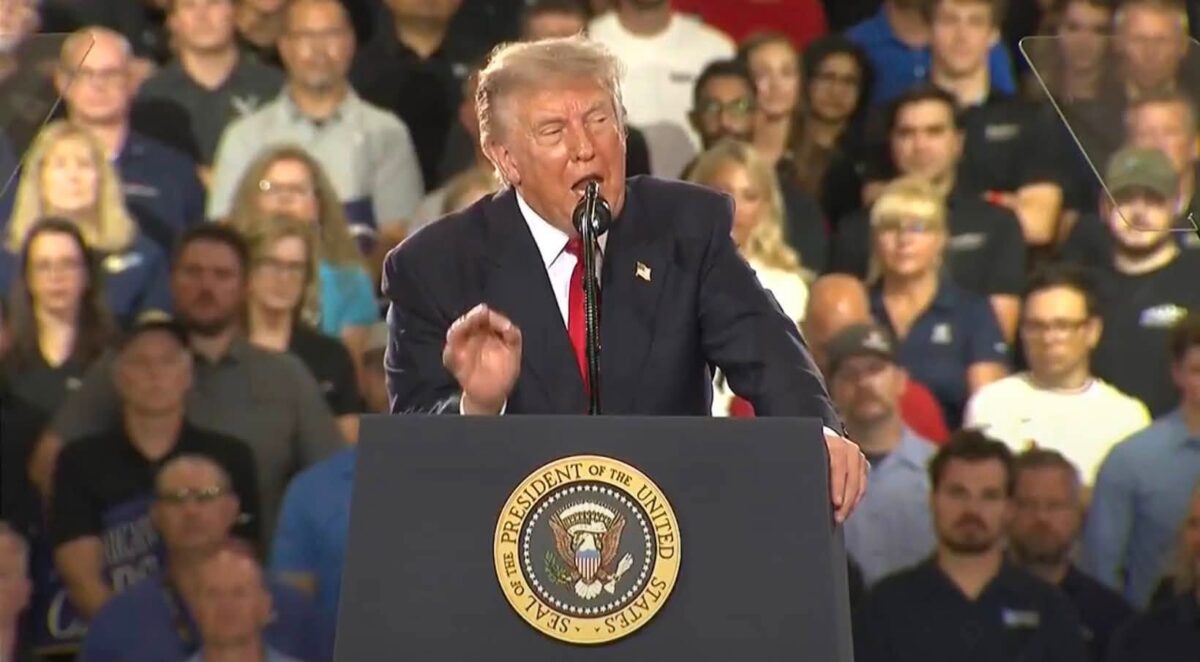
The Capital One dispute stands out because of the size and complexity of Trump’s banking relationship.
According to the bank’s court filing, Trump had more than 300 accounts connected to various businesses before the relationship ended. Those accounts were linked to a wide range of Trump-branded ventures, including golf properties, real estate holdings, wineries, and other commercial operations.
A banking relationship involving hundreds of accounts requires extensive oversight because financial institutions must understand how money moves between connected businesses. Large corporate networks often involve multiple entities, transactions, and ownership structures that require additional monitoring.
For banks, compliance reviews are not limited to individual transactions. Financial institutions often examine broader patterns, including account activity across related companies and whether those activities create regulatory concerns.
The dispute raises a central question: Was Capital One responding to legitimate financial risks, or did the bank unfairly target a politically controversial customer?
That question will likely remain at the heart of the legal battle.
Inside the Banking Review That Led to the Account Closures
Capital One’s explanation centers on its anti-money laundering program, commonly known as AML.
Banks across the United States operate under strict federal requirements designed to detect and prevent financial crimes. These programs require banks to monitor transactions, review unusual activity, and assess whether certain relationships create regulatory risks.
A typical AML review may involve examining:
- Unusual transaction patterns
- Large or complex transfers
- Payments involving multiple business entities
- International financial activity
- Account structures that require additional verification
The purpose of these systems is not to determine criminal guilt. Instead, banks use them to identify potential risks and decide whether continuing a relationship fits within their compliance standards.
Capital One said its AML team conducted months of analysis before deciding to close Trump-related accounts. The bank argued that the decision followed normal procedures and was unrelated to political views.
Trump Claims Political Motivation Behind Banking Decision
Trump’s legal team has offered a different explanation.
The former president’s representatives argue that Capital One and other major banks improperly removed him and his businesses from financial services because of his political identity and public reputation.
Trump has also brought similar allegations against JPMorgan Chase, another major financial institution he claims engaged in debanking. The bank has denied that accusation and said account decisions are based on business, legal, and regulatory considerations.
Trump’s attorneys argue that banks should not be able to restrict financial access because of political disagreements. They describe banking services as essential tools that businesses need to operate.
The legal fight could determine how much authority financial institutions have when ending relationships with high-profile customers.
The Growing Debate Over Debanking in America
The Trump-Capital One dispute is part of a much larger debate about the role of banks in American society.
Critics of debanking argue that financial institutions have become powerful gatekeepers because losing access to banking services can affect everything from business operations to personal finances.
A company that loses banking access may struggle to:
- Pay employees
- Process customer payments
- Manage investments
- Operate daily business activities.
Supporters of banking independence argue that financial institutions must be able to manage risk. Banks face penalties when they fail to comply with anti-money laundering rules, fraud prevention requirements, and financial regulations.
The debate is essentially about balance: how banks protect the financial system while ensuring customers are treated fairly.
Why High-Profile Customers Face Greater Financial Scrutiny
Trump’s case also highlights the challenges faced by politically exposed individuals.
Banks often apply additional reviews to customers who hold prominent public positions or have significant public visibility. These individuals can receive increased scrutiny because their financial activity may attract regulatory attention or reputational concerns.
This does not mean a high-profile customer has done anything wrong. Instead, banks may consider public exposure, regulatory expectations, and potential risks when evaluating relationships.
For someone with hundreds of business accounts across multiple industries, compliance reviews can become significantly more complicated.
No Criminal Finding, But Serious Banking Questions Remain
One important distinction in the dispute is that Capital One’s claims involve internal banking concerns, not a public criminal conviction.
The bank has said its decision was based on compliance reviews and financial risk assessments. Trump’s legal team argues those explanations do not fully address why the accounts were closed.
The lawsuit could eventually reveal more about:
- What specific activity triggered Capital One’s review
- How the bank’s compliance team reached its decision
- Whether customers deserve more explanation when accounts are terminated
- How banks should balance risk management with customer protections
The answers could influence future discussions about banking regulations.
Political Battles Over Banking Access Continue
Concerns about financial institutions restricting services have appeared across different industries and political groups.
Conservative organizations have previously raised concerns about banks cutting ties with controversial customers and businesses. The debate has also involved industries such as firearms, cryptocurrency, and other sectors that have faced regulatory scrutiny.
Supporters of stronger protections say banks should not become political decision-makers.
Banks, however, argue that compliance decisions must remain independent because financial institutions are responsible for protecting the broader financial system.
Trump Administration Pushes Back Against Alleged Debanking Practices

The issue has become a priority for Trump’s administration.
Trump signed an executive order titled “Guaranteeing Fair Banking for All Americans,” directing federal regulators to examine concerns involving banking access and alleged discrimination.
The administration has also increased scrutiny of major banks over claims that political considerations influenced financial decisions.
Supporters of the effort argue that Americans should not lose access to banking because of their beliefs or affiliations.
Opponents argue that financial institutions must maintain the ability to make independent risk decisions without political interference.
The Capital One Lawsuit Could Shape the Future of Banking
The dispute between Trump and Capital One could have consequences far beyond one former president and one bank.
If courts side with Capital One, financial institutions may maintain broad authority to end customer relationships based on compliance and risk assessments.
If Trump’s claims gain legal support, banks could face pressure to provide more transparency when closing accounts and stronger protections against alleged political discrimination.
At its core, the case raises a question that affects millions of Americans:
Who decides when someone becomes too risky to bank: financial institutions following compliance rules, or customers who believe they have been unfairly excluded?
As the lawsuit moves forward, the answer could influence how banks, businesses, and customers understand financial access in America.