Trump memecoin controversy deepens as investor losses, insider control, and political influence fuel SEC questions
A cryptocurrency launched just days before Donald Trump returned to the White House became one of the most unusual financial stories of the digital age. The Trump memecoin created billions of dollars in market value almost overnight, but its dramatic rise and decline have sparked serious questions about investor protection, insider control, and the growing relationship between politics and cryptocurrency.
The Trump memecoin controversy is no longer only about whether a digital token gained or lost value. It has become a broader debate about whether political influence, celebrity branding, and financial speculation can combine without creating unfair risks for ordinary investors.
The cryptocurrency reached a peak valuation of roughly $9 billion before experiencing a major decline that left many late buyers facing steep losses. At the same time, Democratic Sens. Elizabeth Warren and Richard Blumenthal called on the Securities and Exchange Commission (SEC) to investigate whether the project involved possible fraud, unjust enrichment, or other violations.
The debate surrounding the Trump memecoin represents a major test for cryptocurrency regulation. It raises difficult questions about how regulators should respond when a digital asset is connected to one of the world’s most recognizable political figures.
A political movement became a cryptocurrency experiment with billions at stake
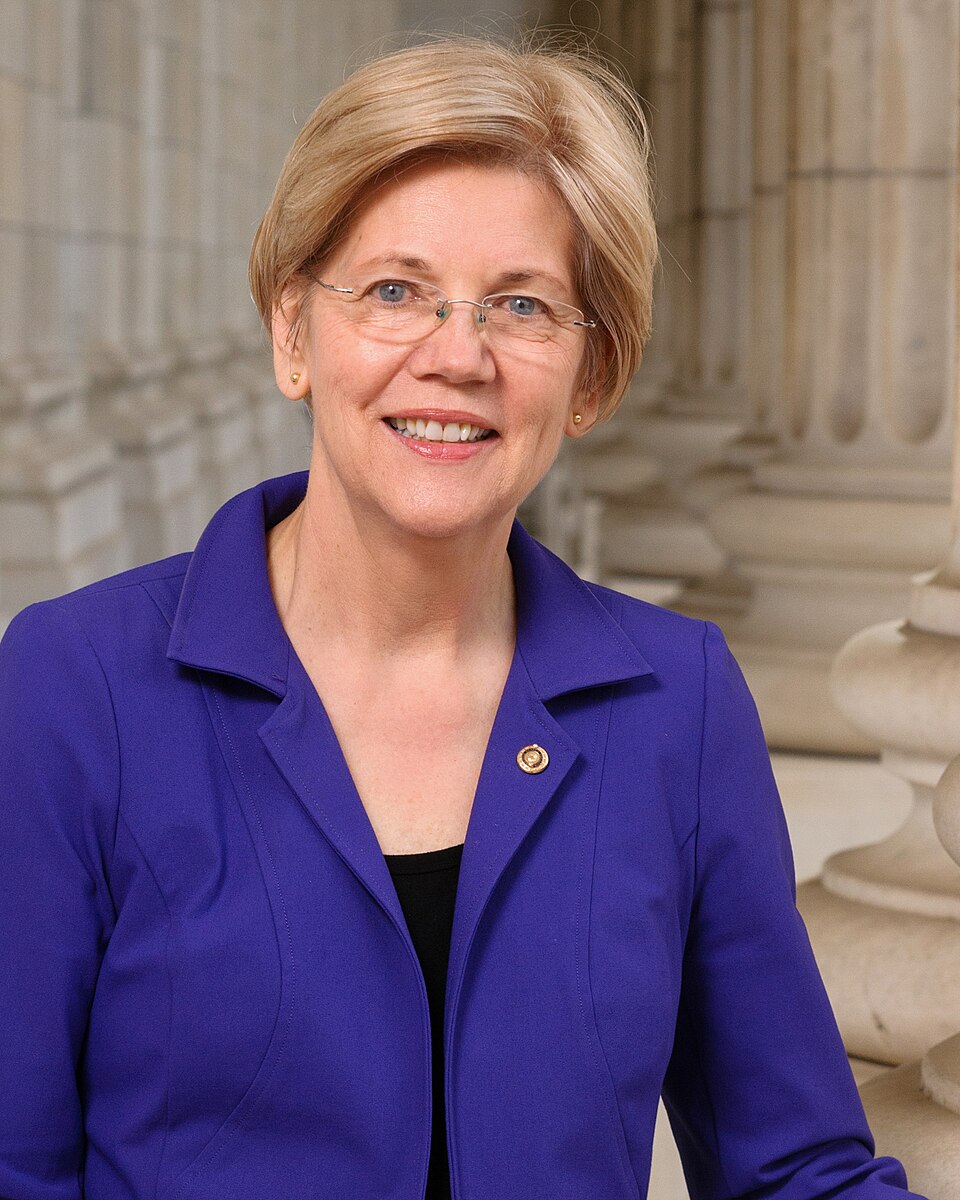
The launch of the Trump memecoin created a situation unlike most cryptocurrency projects. Instead of being introduced by a technology company or blockchain development team, the token was closely tied to the personal brand of a major political figure.
The cryptocurrency entered the market shortly before Trump’s 2025 inauguration, a period when interest in digital assets was already increasing. Trump had positioned himself as a supporter of cryptocurrency, promising policies aimed at making the United States more welcoming to the industry.
That political environment created significant attention around the Trump memecoin. Supporters viewed the token as another way to participate in Trump’s movement, while cryptocurrency traders saw an opportunity to benefit from the excitement surrounding its launch.
However, critics argued that the token represented a new and complicated financial situation. A political identity that normally exists in campaigns, speeches, and elections had suddenly become connected to a tradable financial product.
The concern is not simply that people bought a risky asset. Cryptocurrency markets are known for volatility, and many investors understand that prices can change quickly. The deeper concern is whether political loyalty can influence financial decisions in ways that make some buyers less focused on traditional investment risks.
Memecoins have always depended heavily on attention rather than traditional financial measurements. Unlike stocks, which represent ownership in companies with revenue and assets, memecoins often gain value because communities believe in the idea, personality, or cultural moment behind them.
The Trump memecoin became one of the clearest examples of this phenomenon. The token’s value was closely connected to public interest in Trump himself, raising questions about whether the market was responding to financial fundamentals or political enthusiasm.
The $9 billion peak created excitement before the painful reality of losses emerged
The Trump memecoin experienced an extraordinary early surge after its launch. The token attracted enormous attention across cryptocurrency markets and reached a peak market value estimated at approximately $9 billion.
For early investors, the rapid increase created substantial gains. Some buyers who entered before the price explosion benefited from the sudden demand surrounding the token.
However, the same price movement created risks for investors who arrived later. As the Trump memecoin became more widely discussed online and across financial platforms, many buyers entered after much of the initial growth had already occurred.
When the momentum slowed, the price fell sharply. Reports based on cryptocurrency market data indicated that the token later traded far below its peak, leaving many investors who purchased near the top with significant losses.
The situation reflected a familiar pattern in speculative markets. Rapid price increases often attract new participants who fear missing an opportunity, but those same investors can face the greatest losses when excitement disappears.
The Trump memecoin decline became a reminder that market popularity does not always equal long-term value. In cryptocurrency markets, attention can create enormous gains, but attention can also disappear quickly.
The losses also raised questions about who benefited most from the token’s success. Early participants and insiders had different opportunities compared with investors who entered after the cryptocurrency became widely known.
That difference between early and late investors is at the center of many cryptocurrency debates. When prices rise dramatically, the people who discover an asset first often gain the greatest advantage. When prices fall, those who arrive later often experience the biggest damage.
The biggest concern may not be the crash but who controlled the supply

One of the most controversial aspects of the Trump memecoin involves the concentration of ownership. Reports indicated that approximately 80% of the token supply was connected to Trump Organization affiliates.
Ownership concentration is not unusual in cryptocurrency markets. Many blockchain projects begin with large allocations controlled by founders, developers, or early supporters.
However, critics argue that the size of the Trump memecoin allocation created additional concerns because of the influence attached to the Trump name. They questioned whether ordinary buyers entered a market where insiders already had significant control.
The issue is not only about whether insiders followed legal requirements. The larger concern involves transparency and fairness.
When a small group controls a large portion of a cryptocurrency supply, smaller investors may have limited ability to understand how future price movements could affect them. Large holders can potentially influence market conditions in ways that ordinary buyers cannot.
This concern has appeared throughout cryptocurrency history. Several digital assets have faced criticism after early investors or founders maintained significant control over supply, creating fears that retail buyers were exposed to unnecessary risks.
The Trump memecoin controversy brought those concerns into a political spotlight. A similar ownership structure might receive attention in any cryptocurrency project, but the involvement of a former president made the issue far more visible.
Critics argue that the combination of political influence and concentrated ownership creates a situation that deserves careful review. Supporters respond that cryptocurrency markets are open, transparent, and based on voluntary participation.
The disagreement reflects a larger question facing digital finance: should investors be responsible for understanding market risks, or should regulators create stronger protections when financial products are promoted by powerful public figures?
The “soft rug pull” accusation raises a new question about crypto accountability
The most serious criticism from Warren and Blumenthal involves the possibility that the Trump memecoin could represent a “soft rug pull.”
In cryptocurrency markets, a rug pull usually refers to a project where creators attract investors and then abandon the asset, leaving buyers with major losses. These cases have caused billions of dollars in losses across the digital asset industry.
However, experts disagree about whether the Trump memecoin fits that traditional definition. A classic rug pull often involves a sudden collapse caused by developers removing funds or disappearing completely.
Blockchain intelligence company TRM Labs previously analyzed the token and said it did not show the typical signs of a traditional rug pull. The company noted that the decline happened gradually rather than through one sudden event.
Still, critics argue that investor harm can happen even without a traditional rug pull. Their argument is that a cryptocurrency can create an uneven financial outcome where insiders and early buyers benefit while later investors experience large losses.
Ari Redbord, global head of policy at TRM Labs and a former federal prosecutor, said the token’s structure raised concerns because a smaller group benefited while many later buyers experienced losses.
This distinction matters because it challenges regulators to think beyond simple definitions. Financial harm does not always happen through obvious fraud. Sometimes it can develop through market structures that place ordinary investors at a disadvantage.
The Trump memecoin debate therefore raises a difficult question for regulators. Should enforcement focus only on clear criminal activity, or should it also examine whether certain financial systems create unfair outcomes?
Elizabeth Warren’s SEC challenge places cryptocurrency regulation under pressure
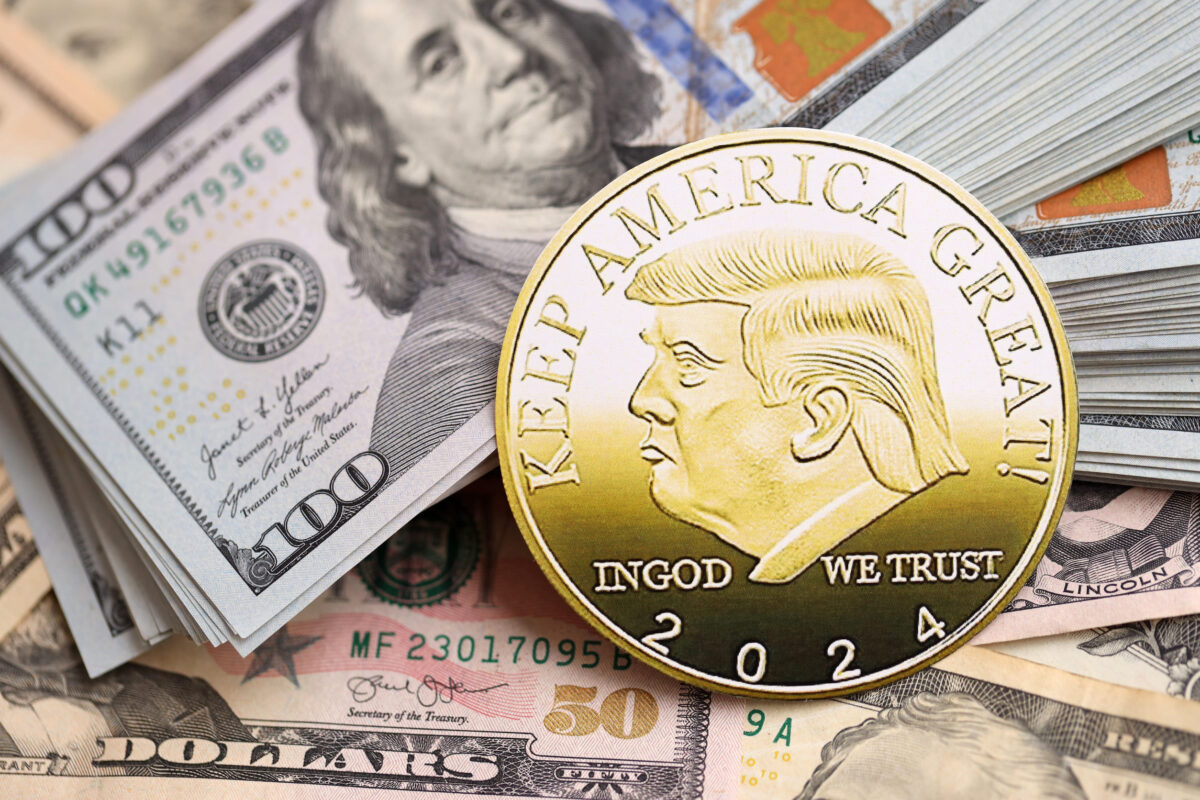
The Trump memecoin controversy reached Washington after Senators Elizabeth Warren and Richard Blumenthal asked the SEC to investigate whether the cryptocurrency project involved illegal activity.
The lawmakers argued that regulators must examine the situation regardless of Trump’s political status. They said financial rules should apply equally, even when powerful individuals or organizations are involved.
Their request places pressure on the SEC because cryptocurrency regulation remains one of the most debated issues in financial policy.
The agency has previously stated that many memecoins do not qualify as securities under federal law. However, regulators have also warned that some projects may use the memecoin label to avoid legal scrutiny.
This creates a complicated regulatory challenge. A cryptocurrency may appear to be a simple internet-based token, but authorities may examine its marketing, ownership structure, and economic impact before deciding whether additional oversight is necessary.
The Trump memecoin could become an important example of how regulators handle politically connected digital assets.
If the SEC investigates and finds violations, the case could influence future cryptocurrency enforcement. If regulators decide no action is needed, critics may argue that influential figures receive different treatment.
The outcome could affect how future political figures, celebrities, and companies approach cryptocurrency launches.
Trump’s crypto earnings create a wider debate about presidential ethics
Donald Trump has defended his cryptocurrency-related earnings and said his financial activities complied with legal requirements. He has argued that his success reflects his ability to identify profitable business opportunities.
Supporters believe public figures should not automatically be prevented from participating in emerging industries. They argue that cryptocurrency represents a major economic development and that political leaders should understand new technologies.
Critics, however, argue that the issue involves more than legality. They believe that a president’s influence creates a unique situation because public trust and political support can affect consumer behavior.
A regular entrepreneur promoting a cryptocurrency does not have the same level of influence as a president or major political figure. That difference raises concerns that supporters may feel motivated to buy because of loyalty rather than financial analysis.
The Trump memecoin controversy therefore connects cryptocurrency with a much older debate about conflicts of interest. Throughout history, public officials have faced questions about how personal financial interests interact with government responsibilities.
Digital assets have created a new version of that challenge. Instead of traditional companies or investments, political figures can now become directly connected to online financial products that can rise or fall in value within days.
The future of cryptocurrency may depend on lessons from the Trump memecoin controversy

The Trump memecoin controversy represents a larger turning point for cryptocurrency regulation. As digital assets become more connected to politics, entertainment, and mainstream finance, governments will face increasing pressure to establish clearer rules.
The challenge is finding balance. Supporters of cryptocurrency argue that excessive regulation could limit innovation and prevent new financial technologies from developing. Critics argue that weak oversight leaves ordinary investors vulnerable to powerful individuals and highly speculative markets.
Future regulations may focus on greater transparency, clearer ownership disclosures, and stronger protections for retail investors. These changes could affect not only the Trump memecoin but also future digital assets connected to celebrities, influencers, and public figures.
The controversy has already changed the conversation around political cryptocurrencies. What began as a token launch became a broader debate about trust, accountability, and the future relationship between influence and finance.
The most important question may not be whether the Trump memecoin succeeded or failed. The deeper question is whether financial markets can remain fair when attention, political power, and digital money become increasingly connected.
As cryptocurrency continues to evolve, the Trump memecoin may be remembered as an early example of a new financial era where public influence itself can become a market force. The challenge for regulators, investors, and society will be deciding how to manage that power without allowing ordinary participants to carry the greatest risks.