Why Chuck Schumer’s Voter ID Fight Is More Complicated Than It Looks
The argument appears straightforward: Should Americans prove who they are before voting?
Most Americans answer yes. A 2025 Pew Research Center survey found that 95% of Republicans and 71% of Democrats supported requiring government-issued photo identification to vote.
Those numbers make Senate Democratic Leader Chuck Schumer’s opposition to the Republican-backed SAVE America Act an easy political target. Yet they do not capture the full disagreement.
The proposal would require identification at the polls, but it would also reshape voter registration, proof-of-citizenship requirements, mail voting and voter-roll reviews. The fight is not simply about showing a card. It is about how far the federal government should go to verify voter eligibility and what risks lawmakers are willing to impose on lawful voters.
A stalled bill returns to Washington’s spotlight
The House passed the SAVE America Act by a 218–213 vote on February 11, 2026. Senate Republicans opened debate in March but could not overcome the procedural barriers preventing final passage.
The confrontation intensified on March 26, when Republican Sen. Jon Husted of Ohio offered an amendment requiring photo identification at the polls. The proposal received 53 votes, but it fell short of the required 60.
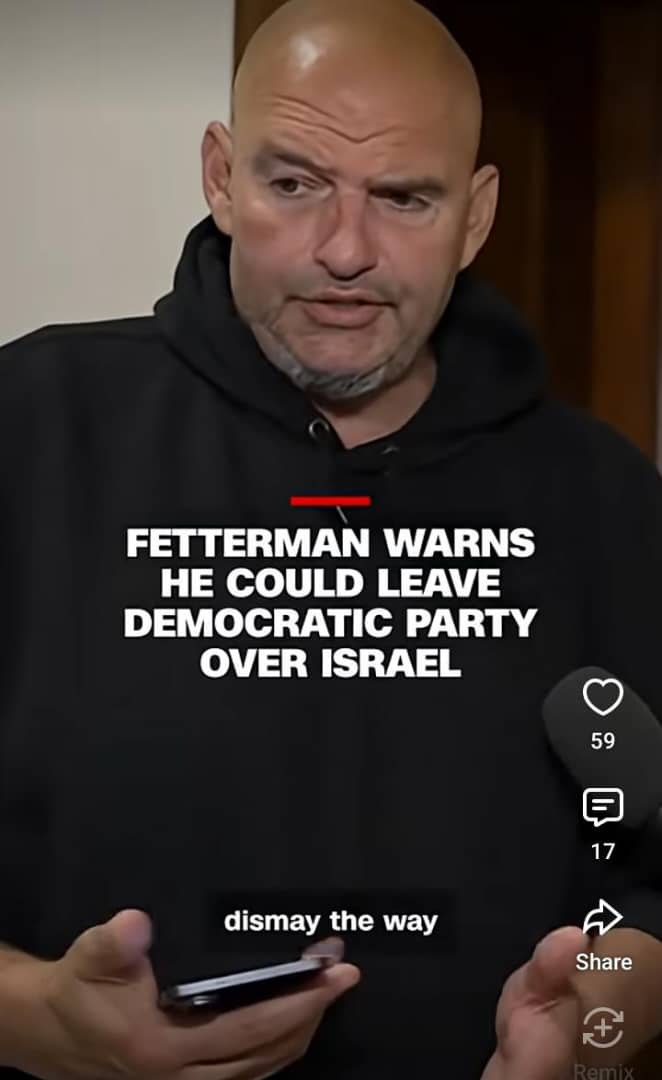
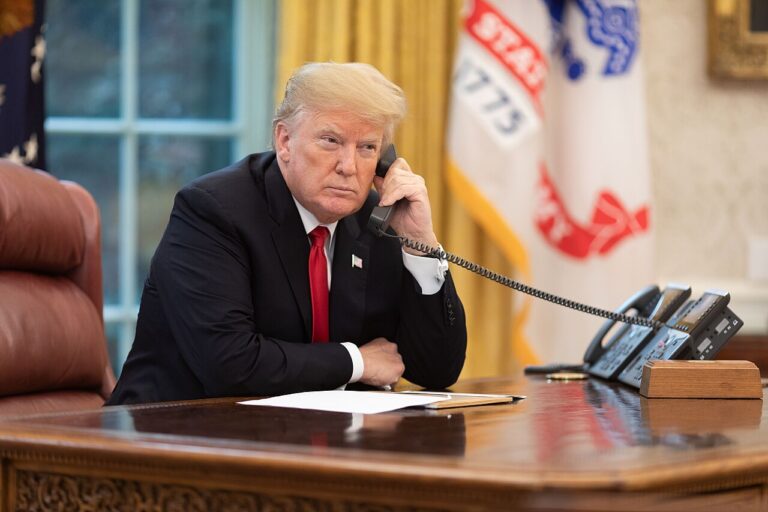
The bill remained stalled through the summer, but the issue did not disappear. President Donald Trump urged Senate leaders to cancel their August recess and keep working until it passed. Republican senators renewed demands for a vote in early August, bringing Schumer’s opposition back into the political spotlight.
That renewed pressure gives the dispute fresh relevance ahead of the 2026 midterm elections.
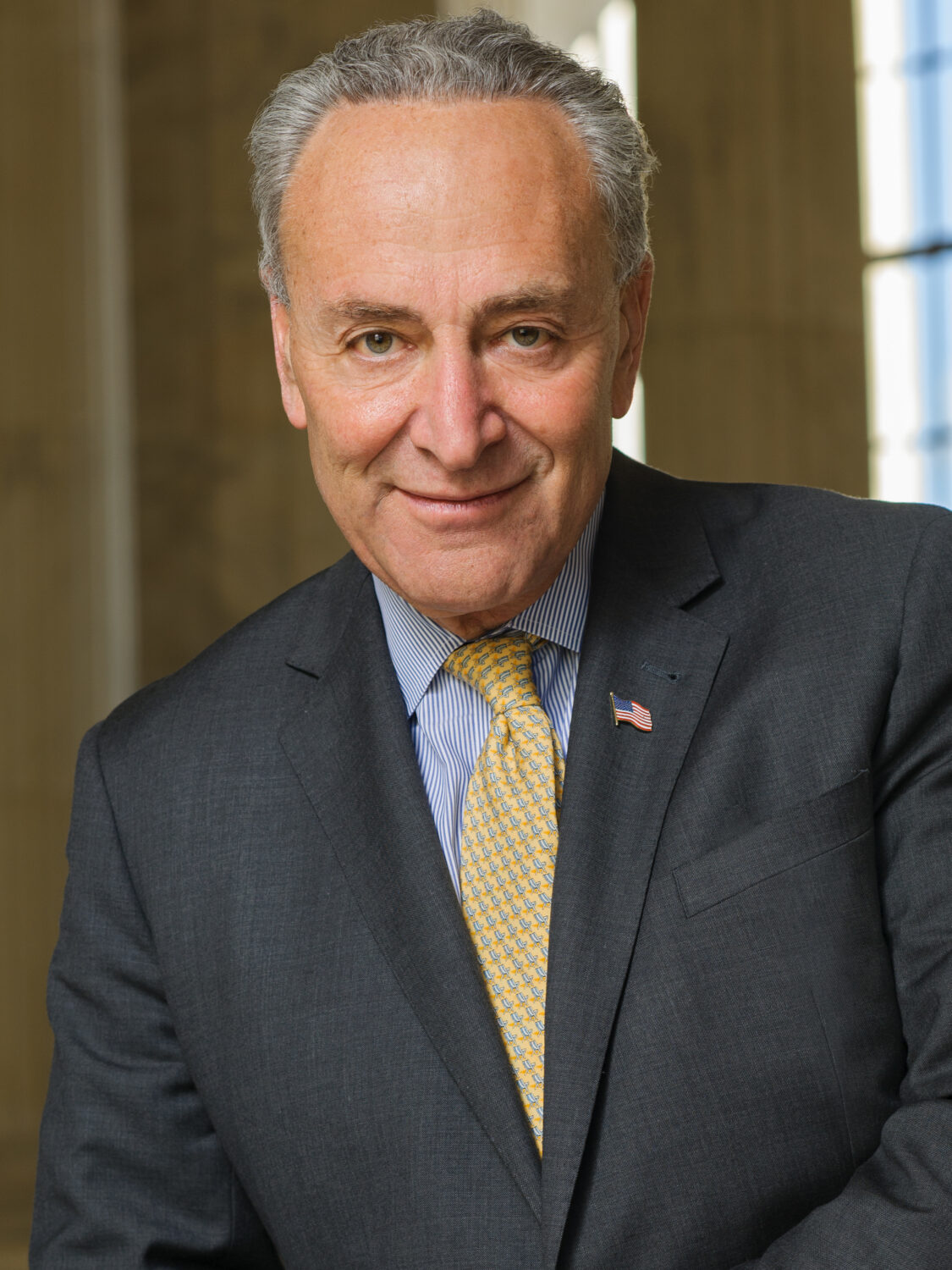
Schumer says photo ID is not his real objection
Schumer initially used sweeping language against the legislation. “We will not let it pass in the Senate,” he said during a February appearance on CNN. “We are fighting it tooth and nail.”
By March, he was drawing a sharper distinction between identification and the larger package.
“Our objection as Democrats is not to a photo ID,” Schumer said. In separate Senate floor remarks, he declared, “The SAVE Act is not a voter ID bill. It is in every sense a voter suppression bill.”
Republicans argue that the distinction is politically convenient. When Democrats blocked Husted’s amendment, Republicans gained a powerful talking point: Schumer claimed Democrats could accept voter ID, but his party opposed a proposal presented as a stand-alone identification requirement.
Democrats answered that Husted’s amendment still established a restrictive federal standard and excluded forms of identification accepted in some states. Their previous election proposals have allowed broader alternatives, including nonphoto documents and sworn statements.
The disagreement, therefore, is not simply whether identification should exist. It concerns which documents should count, who should provide them, and whether Washington should replace differing state policies with one national rule.
The proposal reaches far beyond Election Day
The SAVE America Act’s legislative text requires documentary proof of citizenship when a person registers for federal elections.
A passport could satisfy the requirement. Most ordinary driver’s licenses, including most REAL IDs, prove identity but do not confirm citizenship. Applicants could therefore need a birth certificate, naturalization record, or another approved document alongside a photo ID.
That difference matters. A voter may have enough identification to board a plane or enter a government building but still lack the paperwork required to demonstrate citizenship under the bill.
The proposal also directs states to establish procedures for applicants who cannot immediately present the listed documents. Election officials would review alternative evidence, but opponents fear the process could produce delays and inconsistent decisions.
Name differences present another concern. A married voter whose current surname does not match the name on a birth certificate may need additional records linking the documents. Supporters say administrative procedures can resolve such cases. Critics argue that every added step creates another opportunity for an eligible citizen to abandon or fail the registration process.
The bill would also require states to review voter rolls for possible noncitizens using information from federal and state databases. Mail voters would face identification requirements when requesting and returning absentee ballots.
Republicans view these provisions as connected safeguards. They argue that checking identification at a polling place cannot secure an election if voter-registration records are inaccurate.
Opponents see a different danger: eligible citizens could be flagged because of outdated records, clerical errors or incomplete database matches.
Illegal voting is real, but its scale shapes the debate
Federal law already prohibits noncitizens from voting in federal elections. Violations can lead to prosecution and serious immigration consequences.
Enforcement cases do occur. On June 22, the Justice Department announced that three noncitizens had pleaded guilty in separate Florida cases involving unlawful voting and related offenses.
Iowa also confirmed that 35 noncitizens cast counted ballots in its 2024 general election. More than 1.6 million people voted in that election, making the confirmed violations a minute share of the total.
A broader review after the 2016 election identified approximately 30 suspected incidents among 23.5 million ballots examined across 42 jurisdictions. Forty of those jurisdictions reported no known noncitizen votes, the Brennan Center’s analysis found.
The evidence supports two conclusions at once. Illegal votes exist and deserve investigation, but available research does not show that noncitizen voting occurs on a scale capable of controlling national election results.
That leaves Congress with a question of proportionality. Would the legislation prevent enough unlawful votes to justify the additional burden placed on millions of eligible citizens?
The difficult balance neither party can avoid
Republicans are right that citizenship requirements must carry meaningful enforcement. An election system cannot maintain public confidence if eligibility rules exist only on paper.
Democrats are also right to ask what happens when legitimate voters cannot easily satisfy a new national documentation standard. Security measures lose their democratic purpose if they block more lawful votes than unlawful ones.
Schumer’s position may remain vulnerable to Republican criticism, especially after Democrats opposed Husted’s photo-ID amendment. Still, presenting the controversy as a simple fight between identification and no identification conceals what Congress is actually debating.
The enduring question is not whether American elections should be secure. It is whether lawmakers can create safeguards precise enough to stop ineligible votes without becoming obstacles for the citizens those safeguards are supposed to protect.